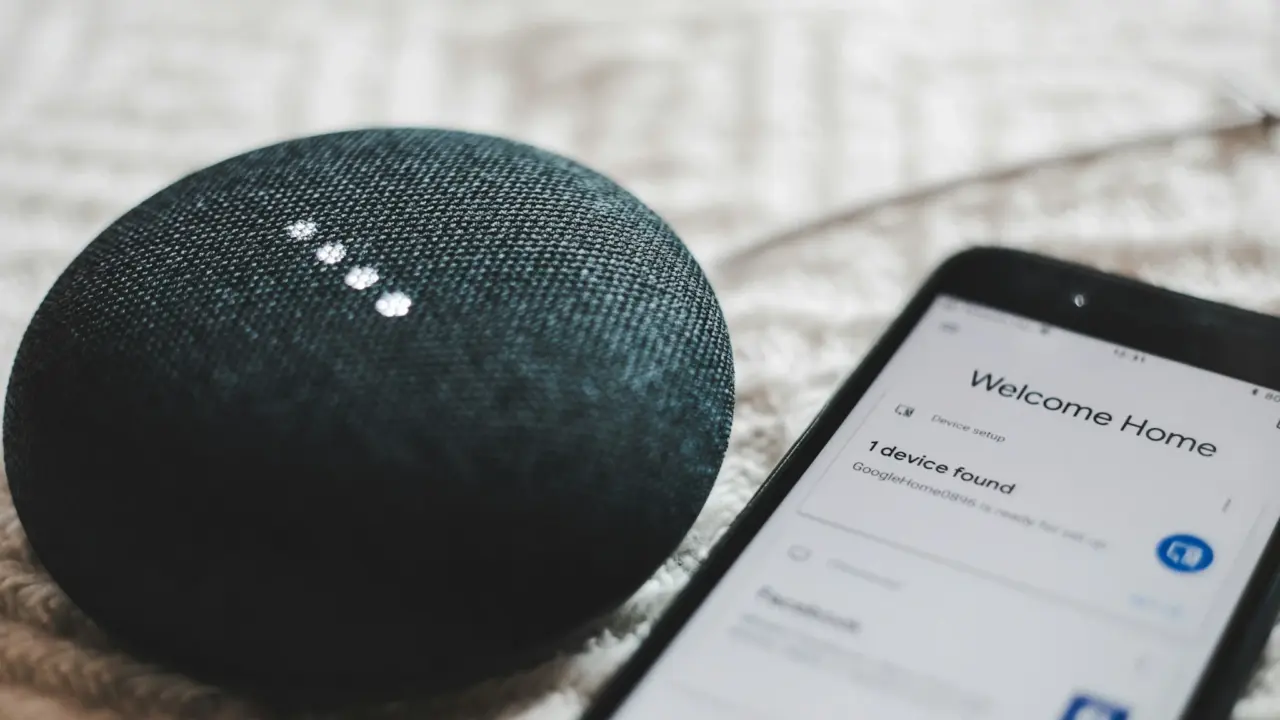

Every online action leaves a trace. When people browse websites, use apps, search for information, or create accounts, bits of information are collected and stored. Over time, these traces form what experts call a digital footprint, which is a record of how people interact with technology. Unlike a personal diary that someone writes on purpose, this record is created automatically as people move through digital spaces, often without realizing how much is being recorded.
The U.S. Federal Trade Commission explains that websites and mobile applications routinely collect information such as IP addresses, device details, browsing behavior, and location data as part of normal operations. This collection happens both when users knowingly share information and when systems gather data automatically in the background. As people visit pages, interact with content, or use services, technical signals are recorded to keep systems running and improve performance.
The amount of data collected has led to growing public concern. Pew Research Center reports that many Americans feel they have little control over how companies collect and use their personal data, and most are worried about how their information is handled online. These concerns have grown as more parts of daily life, such as work, social interaction, education, and entertainment, have moved online.
As technology becomes more embedded in everyday routines, the digital footprint becomes more detailed and persistent. What used to be temporary interactions now leave long-term records.
Continuous Data Collection Has Become the Default
Modern internet services rely on collecting and analyzing user data. The Federal Trade Commission says companies may get information directly from users when they create accounts, make purchases, or fill out forms. They also collect data automatically, such as browsing activity, device IDs, and how people interact with services.
The FTC also explains that cookies and similar technologies allow websites to recognize users, remember preferences, and track visits across sessions. These tools help websites personalize experiences, analyze performance, and deliver relevant content.
For many users, this level of collection happens quietly. Pew Research Center has found that people often feel confused about what companies know about them and how that information is used. Many report feeling they lack control over the data collected about them.
As more services move online, the amount of data created keeps growing. Everyday activities like reading the news, checking traffic, ordering food, and joining meetings all create digital signals that add to a record of behavior.
The Science Behind Digital Footprints: How Data Becomes a Behavioral Record
Digital footprints are made by technical systems that capture and process what users do. The FTC says websites and apps can collect many types of data at the same time, like device information, browser details, and data about how people scroll, click, and move around online.
These signals are often looked at together. One action may not show much, but repeated patterns over time can reveal habits and preferences. Systems that analyze user activity can notice when someone often visits certain content, returns to the same sites, or uses specific features.
The European Commission says personal data includes online identifiers and location data that can be linked to people. This means digital traces are not just technical details; they can be used to understand patterns related to a person’s behavior.
Technically, this process relies on finding patterns. When systems collect lots of data, they can compare actions over time. Doing the same things again and again creates signals that stand out. For example, if the same device connects from similar places at the same times, systems can spot this pattern.
The OECD explains that organizations use consumer data to better understand how people interact with products and services. This analysis helps improve performance, enhance user experiences, and guide product development.
Over time, combining different data sources lets services adjust to how people behave. Recommendations, changes to interfaces, and content suggestions are often based on past interactions. The data does not just show what happened once; it creates a long-term record.
This is how individual digital actions turn into behavioral models.
The Growth of Connected Systems and Expanding Data Trails
As more devices connect to the internet, the amount of data generated continues to increase. Data can be collected not only through websites but also through apps and connected technologies.
This includes devices like smartphones, tablets, and other internet-connected tools that often communicate with online systems. Each interaction adds more information. Someone might use one device for work, another for social media, and another for entertainment. Each system collects data on its own, but together they create a larger digital footprint.
The consumer data has become central to how the digital economy operates. Businesses use data to understand customer needs, improve services, and refine how products are delivered.
As services become more connected, digital footprints become more continuous. Instead of being limited to one website or platform, data now moves across many systems and environments.
The Value and Risks of Data Collection
Digital footprints help power many of the features people rely on today. The consumer data supports innovation, helps improve services, and enables personalization that makes platforms more useful.
At the same time, people are still very concerned about privacy. Many believe the risks of data collection are greater than the benefits, especially when they are not sure how their information is stored or shared.
The Electronic Frontier Foundation has highlighted that companies can collect large volumes of behavioral data across platforms, raising ongoing concerns about tracking and transparency.
This creates a trade-off between usefulness and concern. Data helps services work better and faster, but it also means more information about people is stored over time.
Digital Footprints as Part of Modern Identity
As more activities happen online, digital footprints have become closely linked to how people are seen in digital spaces. The European Commission’s definition of personal data includes identifiers and behavior signals because they can be connected to specific people.
This shows how digital activity can build a profile over time. Even simple actions like logging in, browsing, or interacting with content add to a record that systems can study.
The FTC explains that companies often collect data from multiple sources, combining information from websites, apps, and connected devices.
As these systems grow more connected, the footprint becomes more detailed. Information from one service may help shape experiences in another. The result is a broader picture formed from many small interactions.
A Record That Continues to Grow
Digital footprints are found across many platforms, devices, and services. The companies may collect data from different places and use it to make things work, improve services, and personalize experiences.
At the same time, more people are becoming aware of these issues. Many people know their online actions leave lasting traces and are worried about how that information is used.
The consumer data is central to how the digital economy works. Services need data to run well and to understand what users need.
Understanding the Data We Leave Behind
As more services move online, digital footprints will continue to expand. The European Commission’s data protection framework recognizes that online identifiers and behavioral data can reveal meaningful information about individuals, which is why policies emphasize transparency and responsible data handling.
At the same time, groups like the OECD keep studying how data helps innovation and encourage responsible practices.
The modern internet depends on data. Digital footprints naturally come from how people use technology, but it is becoming more important to understand how they are made and used. Every search, click, and interaction adds to a record that keeps growing.