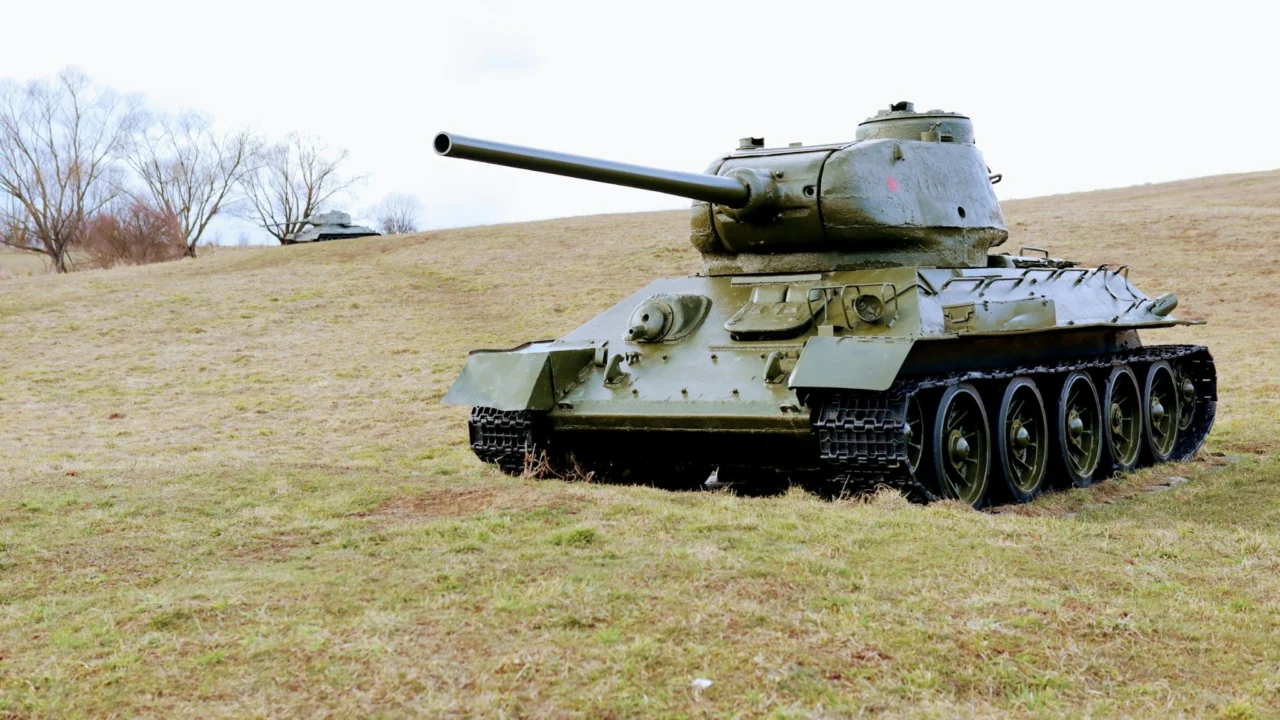
ATLAS, an autonomous robotic tank, recently finished a set of self-driving combat and automated targeting exercises. These tests highlight progress in military robotics and machine-assisted decision-making during simulated battles.
Autonomous capabilities tested in combat trials
According to Interesting Engineering, Autonomous Technology Leading Assault Systems (ATLAS) participated in trials to determine whether unmanned ground vehicles could traverse terrain and engage targets with minimal human involvement.
During the exercises, the robot tank showed it could navigate rough terrain on its own and automatically select and engage targets. Its performance was better than what is usually seen with remote-controlled or semi-autonomous vehicles.
The report explained that ATLAS is built to combine self-driving features with planning algorithms. These systems can set target priorities and adjust movement paths in real time as situations change.
MSN also covered the trials, highlighting that ATLAS’s success is an important step toward testing autonomous combat systems that might eventually work with human troops.
Automated targeting and decision-making
In the tests, ATLAS used its sensors and computers to evaluate possible targets and set priorities based on set rules. This autonomous targeting is a major improvement over older robots that needed humans to guide them when engaging threats.
ATLAS’s targeting algorithms helped it distinguish between simulated enemies and noncombatant objects during the trials, but humans still supervised the tests.
Implications for future military robotics
Completing these self-driving and automated targeting tests shows that robots like ATLAS could one day support regular armored units, especially in dangerous situations where human lives are at risk.
By combining autonomous navigation with battlefield decision-making, these systems can make things easier for operators and help them respond faster in changing situations.
However, neither source said that ATLAS is being used in real combat or allowed to act on its own in lethal situations. Both reports stressed that these advances are still only being tested in controlled trials.
Ongoing developments and testing
The ATLAS trials are part of a larger trend in military research, in which autonomous systems are tested on how well they move, work together, and sense their surroundings under different conditions.
These platforms are judged not just on how well they move on their own, but also on how reliable their sensors and decision-making systems are for targeting and assessing threats.
ATLAS’s strong performance in simulated combat shows that defense organizations are still investing in robotics to improve how they operate on the battlefield.
As autonomous technology improves, military leaders and technologists will likely consider both the possible benefits and ethical issues of adding robots like ATLAS to future forces.