
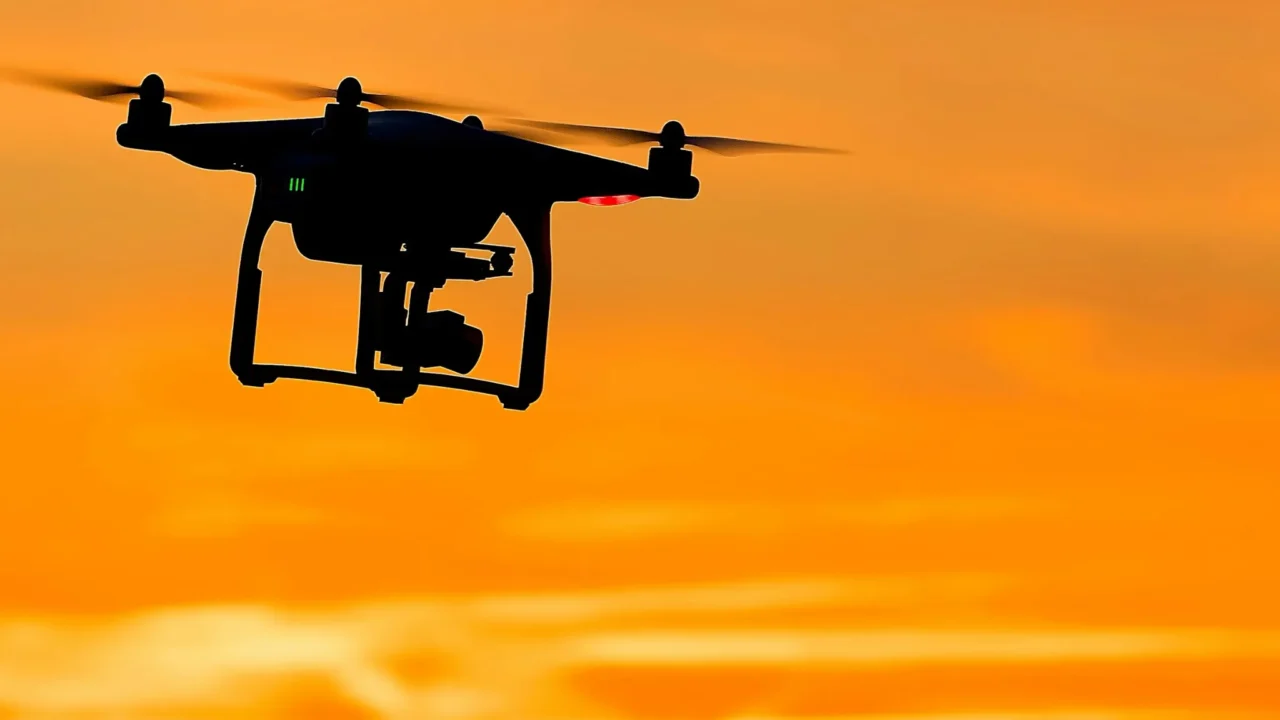
Chinese researchers have tested what they call the world’s first drone with bamboo-fiber composite wings.
This could be a breakthrough for lightweight and sustainable aircraft materials. In its first test flight, the drone reached about 62 miles per hour (100 kilometers per hour), showing that natural materials might help shape the future of aviation technology.
A team from the International Centre for Bamboo and Rattan in Beijing, Beihang University’s Ningbo Institute of Technology, and Long Bamboo Technology Group developed the experimental drone, according to reports.
First Flight Shows Strong Performance
SCMP reported that during testing, the fixed-wing drone completed its maiden flight in northern China, successfully demonstrating the ability to operate with a bamboo-based airframe.
Researchers said the aircraft could cruise at over 62 mph (100 km/h) and stay in the air for long periods. Interesting Engineering shared that this shows bamboo composites can meet the structural and aerodynamic needs for drone operations.
The aircraft measures roughly 8 feet (about 2.5 meters) in length, making it comparable in size to many medium-class unmanned aerial vehicles used for research and commercial tasks.
Bamboo Composite Cuts Weight and Costs
The main innovation is the drone’s wings and structure, which are made from bamboo-fiber composite. Scientists say this material is much lighter than the carbon fiber usually used in drones.
Chinese researchers say the bamboo-based structure is about 20% lighter than similar carbon-fiber parts. This can help make aircraft more efficient and use less energy during flight.
The material could also dramatically reduce manufacturing expenses. Reports say the bamboo composite fabric used in the drone costs only about one-quarter the price of carbon-fiber cloth, potentially lowering production costs for future drones.
Researchers estimate that adopting bamboo composites could cut the overall structural cost of a drone by more than 20%, offering an attractive option for manufacturers seeking cheaper alternatives to conventional aerospace materials.
Sustainable Alternative to Traditional Materials
This project shows the growing interest in eco-friendly materials for aerospace and robotics. Traditional drone parts often use carbon fiber, which takes a lot of energy to make and is hard to recycle.
Bamboo, on the other hand, is a renewable resource that grows quickly and can be made into strong fibers for composites. Engineers think this plant-based material could help design lightweight aircraft and lower environmental impact.
Researchers say bamboo composites still need to meet strict engineering standards before they can be widely used in aviation.
Project leader Qin Daochun explained that bamboo-based materials used in drones must satisfy demanding mechanical standards while also overcoming challenges related to manufacturing processes and environmental durability.
Potential Applications Beyond Drones
The research team believes bamboo-fiber composites could have broader applications beyond unmanned aircraft.
Scientists say the material could one day be used in new energy vehicles, marine equipment, satellites, and even spacecraft, where lightweight structures are important for performance.
If the technology proves scalable, bamboo-based composites could offer a sustainable alternative to synthetic materials across multiple industries.
Expanding Drone Innovation in China
China is now a global leader in drone research and manufacturing. Universities, tech companies, and government agencies are investing heavily in unmanned aviation.
The bamboo-fiber drone project shows how engineers are trying out new materials to make aircraft more efficient and lower production costs.
Although the aircraft is still in early testing, its successful first flight suggests that plant-based composites could be used in the next generation of drone technology.
For now, researchers are still improving the bamboo composite design to make sure it meets the durability and performance standards needed for real-world aviation.