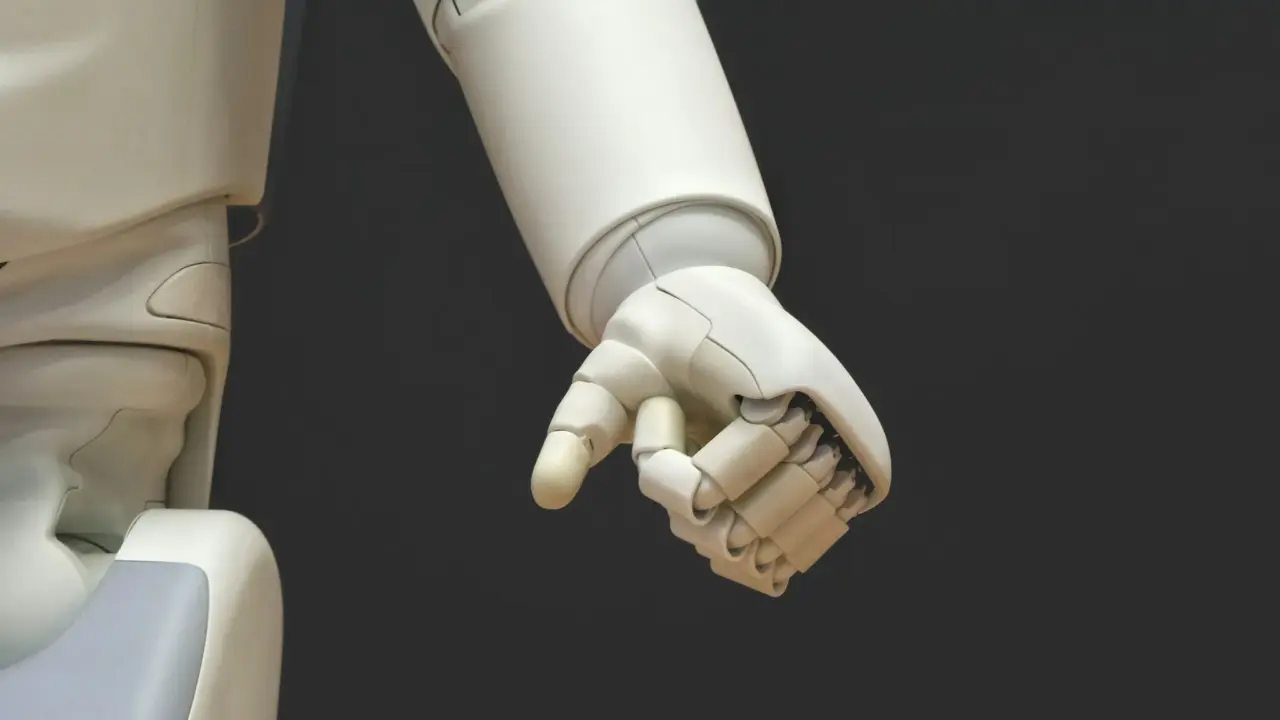
Autonomous humanoid robots are getting better at navigating thanks to advanced 3D perception technology. This helps them move more safely in complex environments and brings them closer to being used in real-world situations.
This development is an important step for robotics, especially as companies look to use humanoid robots in workplaces, public areas, and factories where safety and awareness of space matter most.
Breakthrough in Humanoid Navigation Technology
Recent improvements in 3D perception systems help humanoid robots better understand and move through their surroundings.
A key part of this progress is new vision technology that lets robots see depth, distance, and obstacles as they happen.
A Business Wire announcement shared that RealSense has introduced a first-of-its-kind humanoid autonomous navigation system. This system is meant to improve how robots see and move in their surroundings, while also supporting leadership in vision AI and human-robot safety.
The technology was revealed at NVIDIA’s GTC conference, which is a major event for artificial intelligence and advanced computing.
How 3D Perception Improves Safety
Traditional robots usually follow pre-set paths or use limited sensors, which makes it hard for them to adapt to changing environments.
With the new 3D perception technology, robots can better understand their surroundings. This helps them spot obstacles, change their paths, and work more safely near people.
RealSense pointed out that the system improves human-robot safety. They say it could help reduce collisions and make it easier for robots and people to share spaces.
This feature is especially important for humanoid robots because they are meant to work in places designed for people, not machines.
Real-Time Spatial Awareness
By combining advanced sensors with AI, robots can now understand depth and movement as things happen.
This lets robots move more smoothly and make quick decisions when things change, like getting through crowds or avoiding sudden obstacles.
According to Interesting Engineering, the new system helps robots move more safely by using advanced 3D perception. This means they can better understand and react to their environment.
Using both artificial intelligence and vision-based sensors is helping robots move from controlled labs to unpredictable real-world places.
Growing Role of Humanoid Robots
More and more, humanoid robots are being made for jobs that involve working with people, such as in logistics, healthcare, customer service, and manufacturing.
But a big challenge is making sure these robots can move safely without causing harm or getting in the way.
Better perception systems help solve this problem by giving robots a clearer sense of space and movement.
Being able to move safely in places made for people is seen as a key step for humanoid robots to become widely used.
Industry Push Toward Safer AI Robotics
Announcing better navigation systems shows a bigger trend in robotics and AI: making safety just as important as performance.
As robots get more independent, making sure they can work safely around people is now a top priority for both developers and regulators.
By introducing this technology at a big AI conference, RealSense is showing that the industry is more interested in combining vision AI with robotics to make systems more reliable.
This development also fits with current efforts to use robots in real-world situations where safety is very important.
Toward Real-World Deployment
Improvements in 3D perception technology are helping humanoid robots get closer to working in everyday places.
Even though fully autonomous humanoid robots are still being developed, better navigation and safety systems are big steps forward.
Robots need to understand complex surroundings and avoid dangers in real time if they are going to work well outside of controlled settings.
As companies keep improving AI-powered perception systems, humanoid robots could soon become more common in industries that need both accuracy and safe interaction with people.
For now, this latest breakthrough shows that vision technology is becoming a key part of intelligent robotics, bringing machines closer to safely moving through the real world with people.