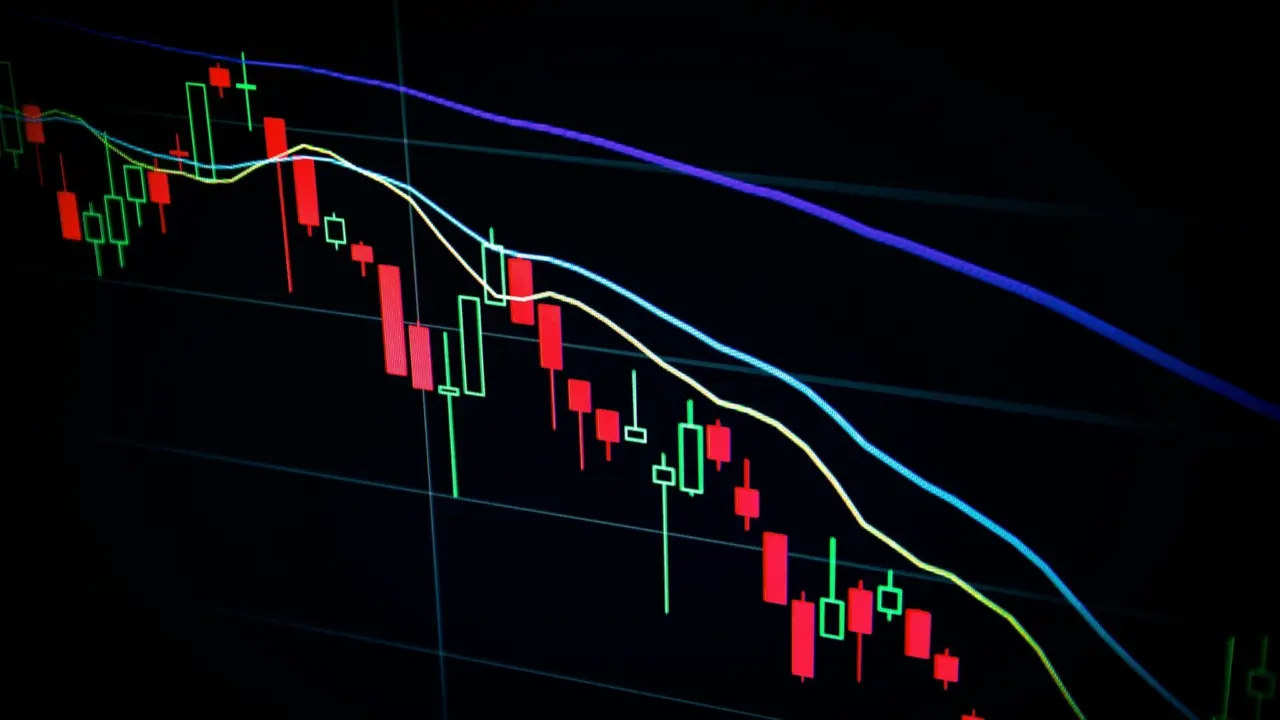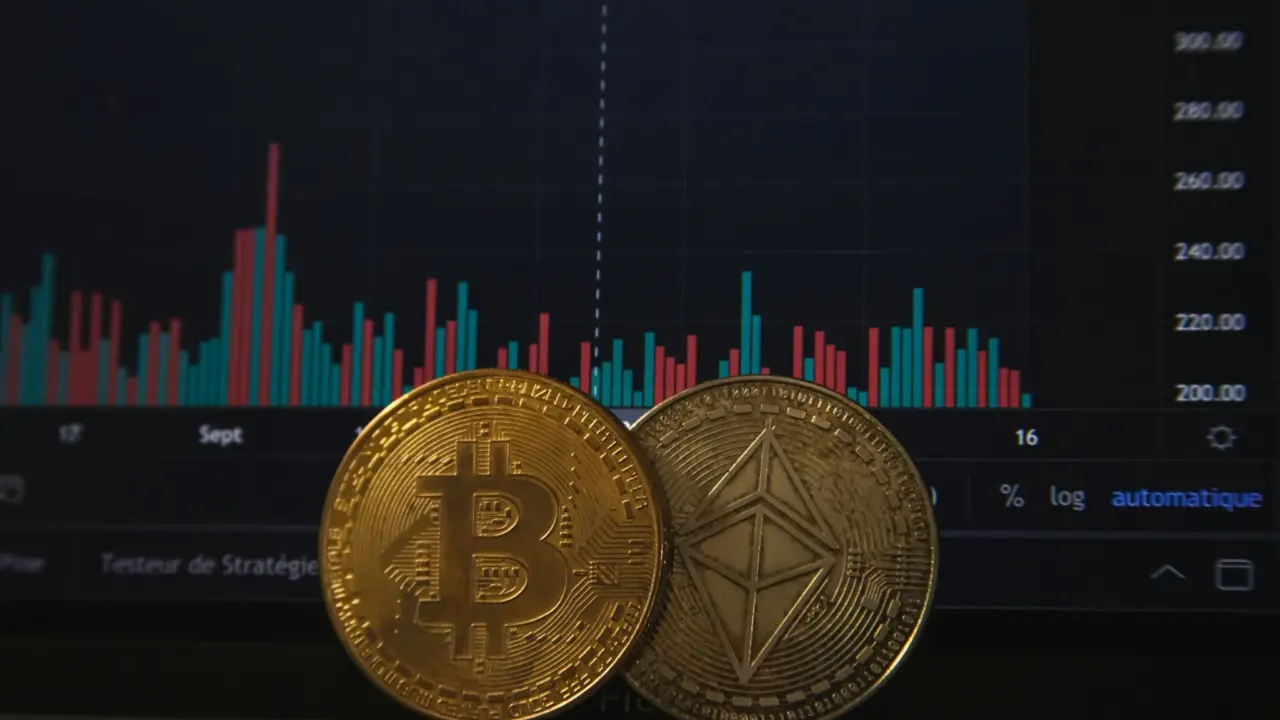
Bitcoin’s latest price slide is now shaking even some of its most committed investors, as long-term holders who usually sit through downturns have started selling billions of dollars’ worth of the cryptocurrency.
Long-term Bitcoin holders sold about $2.4 billion worth of BTC in just two days leading up to June 3.
Long-term holders sell $2.4 billion in Bitcoin
The selling stands out because it came from wallets that had been holding Bitcoin for months.
Crypto Briefing said long-term holders are defined as wallets that have held BTC for at least 155 days, and these wallets offloaded roughly $2.4 billion worth of Bitcoin in two days. The report cited analysis from Compass Point’s Ed Engel, who said the selling represented about 26% of all Bitcoin transacted over the previous 30 days.
That shift is important because long-term holders are often seen as Bitcoin’s most resilient investors. They are the group most associated with the market’s “HODL” culture, or the belief that Bitcoin should be held through volatility rather than sold during fear-driven drawdowns.
When that group starts selling, it can signal that market stress is reaching deeper than normal short-term trader panic.
Bitcoin falls below $70,000
The sell-off came as Bitcoin weakened below a key psychological level.
Bitcoin slipped below $70,000 for the first time since April 8, adding pressure to a market already struggling with weaker sentiment.
The report said the timing was hard to ignore because the same investors who typically ride out drawdowns suddenly decided to sell. This suggests that the latest decline is testing confidence not only among short-term traders, but also among investors who had remained inactive from February through April 2026.
MicroStrategy also sold Bitcoin
The selling was not limited to anonymous wallets.
MicroStrategy, now known as Strategy, sold 32 BTC between May 26 and May 31 at an average price of $77,135. The report said it was the company’s first Bitcoin sale in more than three and a half years.
That detail matters because Strategy has long been one of the most visible corporate Bitcoin holders. Its executive chairman, Michael Saylor, became closely associated with the company’s Bitcoin accumulation strategy, making even a relatively small sale symbolically important for market watchers.
Although 32 BTC is small compared with Strategy’s overall Bitcoin holdings, the sale adds to the broader perception that the market’s strongest holders are no longer acting as automatic buyers or permanent holders.
ETF outflows add more pressure
Long-term holder selling is not happening in isolation.
The selling coincided with significant outflows from Bitcoin exchange-traded funds, including more than $2.4 billion in outflows from BlackRock’s IBIT across a 10-day stretch.
CNBC shared that Bitcoin ETFs recorded their longest streak of net outflows at 11 consecutive days, reflecting weaker investor interest while the market waits for stronger regulatory or market-structure catalysts.
ETF flows are closely watched because they show whether institutional and mainstream investors are adding or reducing exposure to Bitcoin. When ETF outflows overlap with long-term holder selling, the market can face pressure from both retail sentiment and institutional positioning.
Analysts see possible late-stage bear market signal
The bigger question is whether this selling marks panic or a bottoming phase.
Engel viewed the sales as meaningful for Bitcoin’s supply-and-demand balance and suggested they may point to a late-stage bear market where even dedicated investors begin shedding assets.
The report also noted that long-term holder capitulation has historically been associated with the final and most painful stage of a bear market. That does not guarantee a quick recovery, but it can show that the market is entering a phase where conviction is being tested severely.
Still, not all signals are purely bearish. Crypto Briefing said some analysts see the current activity as demand-driven rather than total capitulation because exchange reserves are reportedly near multi-year lows, suggesting that buyers may be moving coins into cold storage.
Bitcoin confidence faces a major test
Bitcoin’s latest decline is not only about price. It is about who is selling.
Short-term traders selling during volatility is expected. Long-term holders selling after months of inactivity sends a stronger signal. It suggests that parts of the market once considered highly committed are now reassessing risk as prices fall, ETF outflows continue, and corporate Bitcoin holders show more flexibility.
For investors, the next signals to watch are long-term holder flows, ETF redemptions, exchange reserves, and whether Bitcoin can reclaim key price levels after falling below $70,000.
The market’s strongest holders have not abandoned Bitcoin completely. But their recent selling shows that even high-conviction investors can reach a point where holding becomes harder than selling.