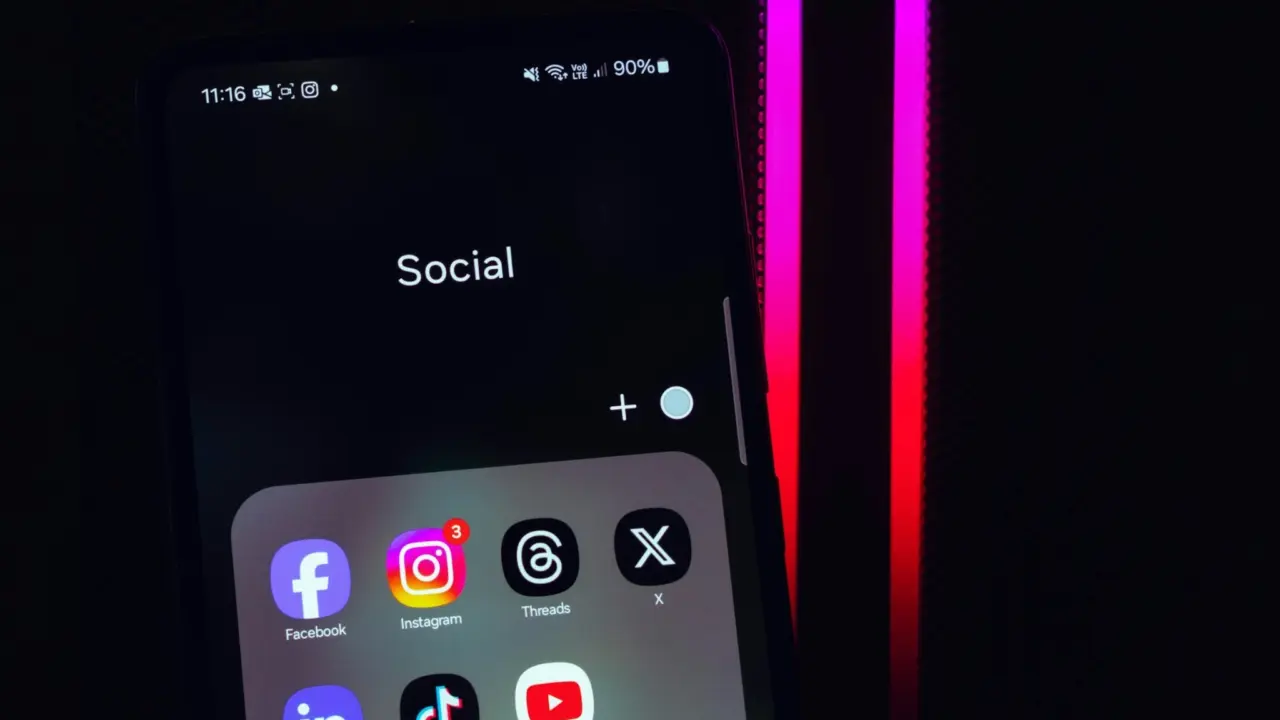
The United Kingdom is moving closer to a major online safety crackdown that could ban children under 16 from using some social media platforms, as Prime Minister Keir Starmer prepares to outline new restrictions aimed at protecting young users from harmful digital spaces.
The proposal would place the UK among a growing number of countries considering stricter age limits for social platforms.
Starmer Prepares a Broader Online Safety Crackdown
According to TechCrunch, Starmer was expected to unveil the policy in a Monday speech, after the government had earlier studied options for a youth social media ban. The report said the UK could follow a model similar to Australia, where a wide range of platforms are covered by restrictions on users under 16.
The proposed UK approach would not treat all digital services the same.
The Guardian reported that the measures would target “high-risk” social media apps, while apps viewed as safer would still be required to limit features that may expose children to harm.
Under-16 users on safer social apps could be barred from using features such as disappearing messages, chats with adult strangers, and livestreaming. Under-18s would also be banned from accessing romantic or sexual AI chatbots, reflecting wider concerns about how artificial intelligence is changing online safety risks for minors.
Australia’s Ban Becomes the Policy Blueprint
The UK plan appears to be shaped by Australia’s approach. The Australian ban covers platforms including TikTok, YouTube, Instagram, Reddit, Facebook, X, Threads, Snapchat, Twitch, and Kick. Australia’s restrictions apply broadly to services that allow users to interact with each other and post material.
That comparison matters because the UK must still decide which apps would fall into the “high-risk” category. Ministers would identify the specific platforms at a later date, creating uncertainty for companies, parents, and young users.
The issue could also create legal pressure. Government sources warned of possible judicial review, especially if some platforms are banned while others are only restricted.
Mark Jones, a partner at the law firm Payne Hicks Beach, shared that the legal threshold for such a challenge would be high, involving questions of whether a decision was irrational, procedurally unfair, or illegal.
Parents Push for Action Against Big Tech
The government’s move follows strong public pressure. The consultation received more than 116,000 responses and that nine out of 10 parents expressed support for an under-16 ban. A Downing Street source told The Guardian that the prime minister wanted a “gamechanger” and did not want “half measures.”
Liz Kendall, the UK technology secretary, is also part of the political context around the proposal.
The Guardian shared that Kendall had been clear about standing up to global technology companies, framing the issue as a fight between child safety and the power of large online platforms.
TechCrunch also linked the debate to wider concerns about the effect of social media on children and teenagers.
TechCrunch cited calls for a teen social media ban from the mother of murdered teenager Brianna Ghey, who said harmful online content had worsened her daughter’s eating disorder and self-harming behavior.
Age Checks and Privacy Remain Unresolved
Even if the ban is announced, enforcement may be complicated. The government may use existing regulatory powers for some parts of the policy, but new legislation may still be needed.
That is where the policy becomes controversial. Companies such as Meta already use self-reported ages, third-party tools, and their own age-verification methods. But stronger checks could require platforms to collect more user data, which may create privacy concerns.
Supporters see the proposal as a long-awaited response to online harm, addictive design, and the difficulty parents face in managing children’s digital lives. Critics, however, warn that bans may isolate children, push them toward less regulated spaces, or create privacy risks through stricter age verification.
The UK’s possible under-16 social media ban is therefore not just a fight over screen time. It is a test of how far governments are willing to go in forcing tech companies to redesign online spaces for children.