OpenAI’s next major model release could arrive more cautiously than previous launches, after the White House reportedly asked the company to limit early access to GPT-5.6 over security and safety concerns.
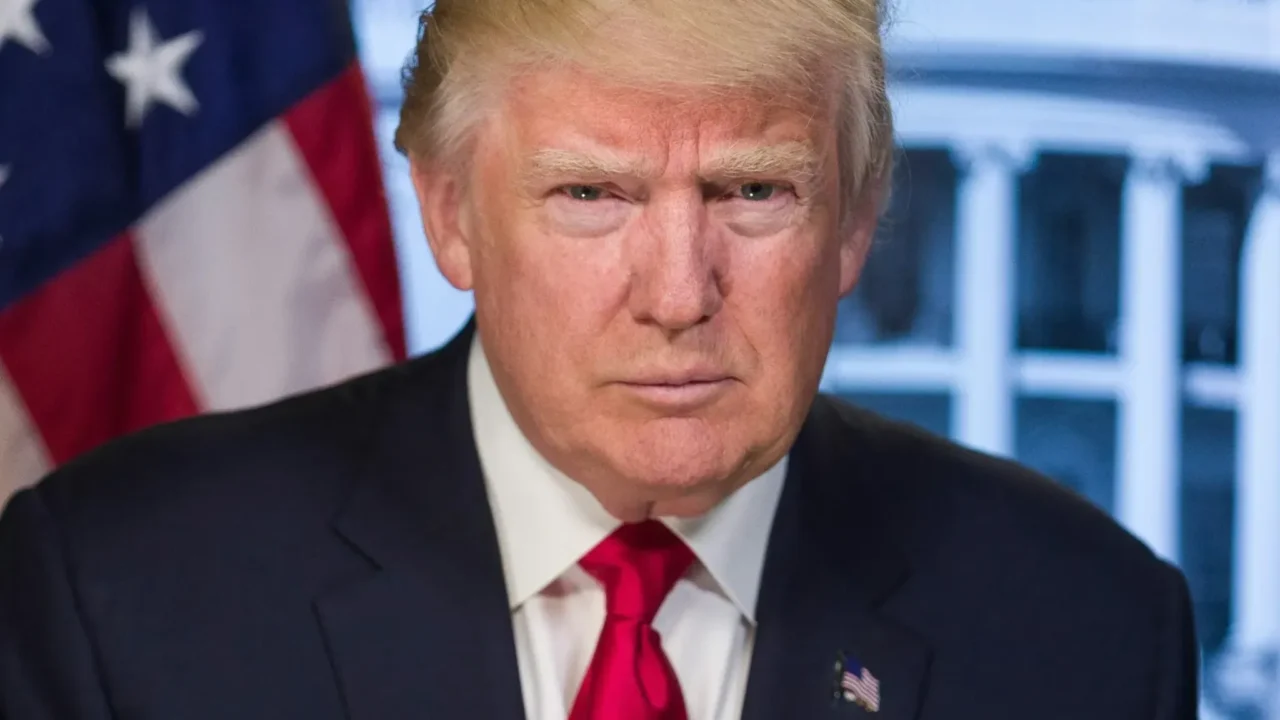
The Trump administration asked OpenAI to limit the release of its next model, GPT-5.6, to “only a small set of government-approved partners” before any broader rollout.
White House Seeks Limited Rollout
The reported request marks a notable shift in how the U.S. government is approaching frontier AI models.
Axios said this is the first time the U.S. government has preemptively asked an American AI company to restrict the launch of a model before release. CEO Sam Altman told staff the government would be approving access customer by customer during a preview period.
The limited release may not last long if the preview goes smoothly.
TechCrunch reported that Altman told staff OpenAI hopes to follow the restricted rollout with a broader public release a couple of weeks later. Altman said in a memo that he hopes GPT-5.6 can be released a couple of weeks later.
Cyber and Science Offices Asked for Review
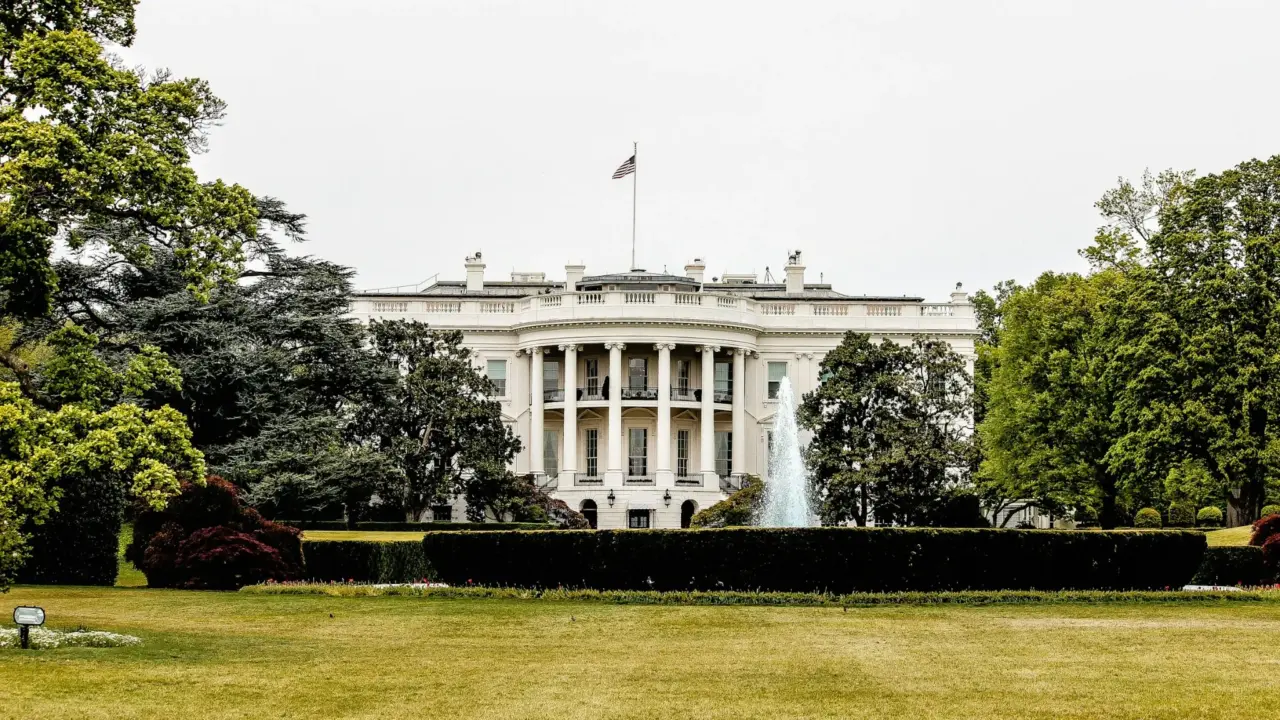
The request reportedly came from key White House technology and security offices. The White House’s Office of the National Cyber Director and Office of Science and Technology Policy asked OpenAI to limit GPT-5.6’s rollout as the administration builds a framework for testing and evaluating new model security.
OpenAI appears to have been coordinating with the government before the planned release. The White House has been looped in on the capabilities of OpenAI’s new model and has been able to preview its abilities. OpenAI staffers worked closely with the government on the upcoming release.
Altman Discussed GPT-5.6 With Howard Lutnick
The release also reached senior levels of the Trump administration. Altman discussed GPT-5.6 with Commerce Secretary Howard Lutnick on Wednesday. Lutnick wanted to ensure all relevant parts of the government had tested and approved the model.
The safety concern appears tied to the model’s advanced capability. The government intervened because GPT-5.6 has “Mythos-like” capability. The pressure on OpenAI to Anthropic’s decision to keep its frontier cyber model, Claude Mythos, limited to a small group of partners through Project Glasswing.
AI Labs Face Speed Versus Safety Pressure
The situation highlights the growing tension between rapid AI competition and national security concerns. AI labs are racing to release new models while also competing with increasingly capable Chinese open-source models. Security officials and corporate leaders are increasingly worried about bad actors, including nation-state spies, cybercriminals and rogue insiders, gaining access to highly capable models.
The Trump administration has already signaled a more formal testing approach. Trump signed an executive order earlier this month directing certain AI companies to voluntarily submit new models for government testing and evaluation before public release. The same AI security executive order directs agencies to build a voluntary testing protocol for AI companies before releasing new models.
For OpenAI, the GPT-5.6 rollout could become an early test of how frontier AI releases may work under closer federal oversight. The company still appears to be aiming for a broader launch, but the reported preview period shows that the most powerful AI models may no longer reach the public on the industry’s timeline alone.