
A new South Korean law targeting false and manipulated online information is drawing scrutiny from Republican lawmakers in Washington, who argue that its penalties and content-removal requirements could pressure American technology companies to restrict speech.
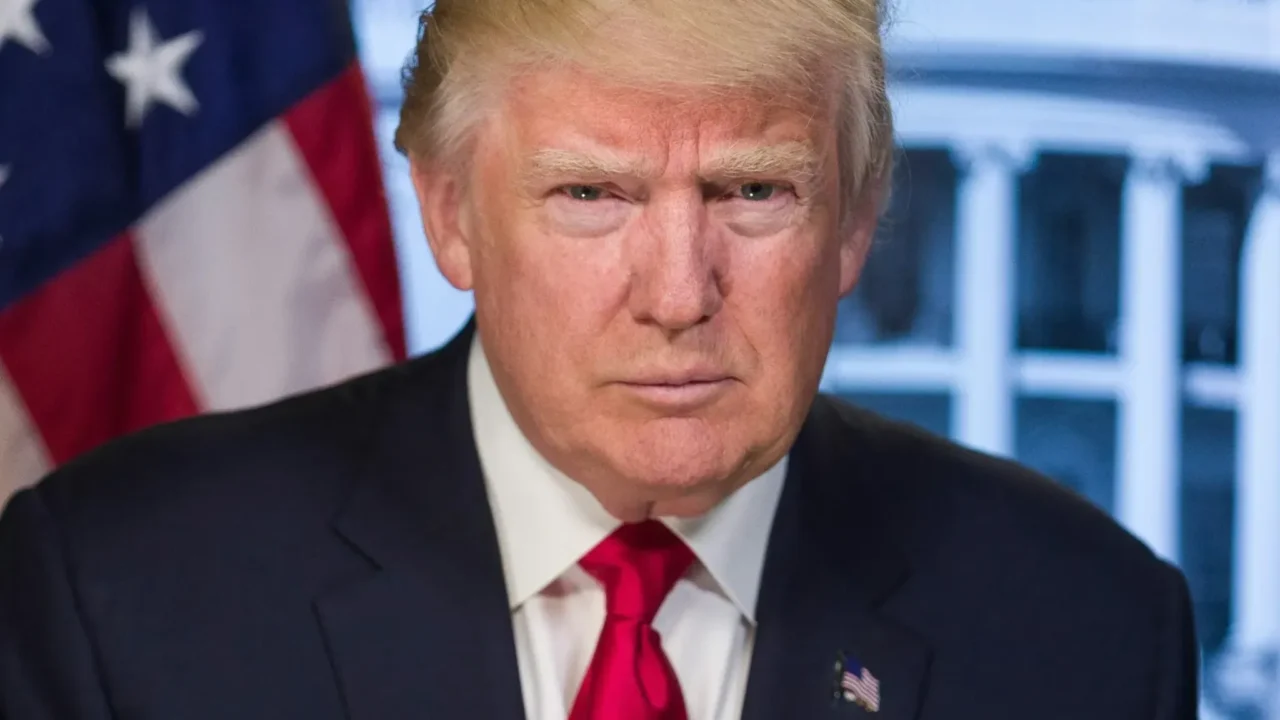
CNBC reported that House Judiciary Committee Chairman Jim Jordan and other Republican lawmakers sent South Korean officials a letter on August 6 seeking answers about enforcement of the amended Information and Communications Network Act. The House Judiciary Committee identified the lawmakers as Jordan of Ohio, Scott Fitzgerald of Wisconsin, Darrell Issa of California and Michael Baumgartner of Washington.
Republicans Question South Korea’s New Rules
The lawmakers addressed their letter to Kim Jong-cheol, chairman of the Korea Media and Communications Commission, or KMCC.
The House Judiciary Committee said the Republicans are concerned that the amendment gives South Korean courts power to punish news organizations and social media users for spreading false or manipulated information, including damages reaching five times the alleged harm.
CNBC reported that the amendment was adopted by South Korea’s National Assembly in December and took effect on July 7, 2026, as part of an effort to address illegal and fabricated false information online.
The dispute therefore centers not simply on whether online misinformation should be addressed, but on how governments define prohibited material and how much responsibility platforms should carry for removing it.
YouTube, Facebook, Instagram and X Could Be Affected
The law establishes obligations based partly on the size of publishers and online platforms.
The amendment applies to content publishers with more than 100,000 subscribers or an average of 100,000 monthly views, as well as large platforms averaging more than 1 million daily users.
Jordan and the other Republicans believe those thresholds could have particular consequences for US-owned services operating in South Korea, including Alphabet’s YouTube.
The Judiciary Committee specifically named Facebook, X, Instagram and YouTube among the American-owned platforms likely to fall within the requirements.
Large platforms must establish formal complaint procedures, respond to disputed content, publish transparency reports and submit to government investigations.
Lawmakers Warn of a Chilling Effect on Speech
Jordan and his colleagues argue that the law’s definition of false information leaves excessive room for interpretation.
The Republican lawmakers characterized the amendment as a significant threat to online speech and expression and questioned whether politically inconvenient views could become targets of enforcement.
Fitzgerald went further in criticizing its reach. The House Judiciary Committee quoted him as describing South Korea’s approach as “vague and overly broad,” while maintaining that foreign governments should not pressure American businesses into censoring constitutionally protected speech.
The committee also said the KMCC had announced that companies would receive no grace period for complying with the amended rules. Republicans contend that immediate enforcement could encourage companies to remove questionable material preemptively rather than risk financial penalties.
South Korea Says the Law Protects Citizens
The South Korean government has defended the legislation as a response to harmful manipulated information rather than an attempt to suppress legitimate debate.
South Korean officials have said the amendment is intended to “protect citizens from the harms of illegal and fabricated false information.”
That objective puts the disagreement at the center of a broader global policy problem: governments want mechanisms for responding to intentionally fabricated information, while journalists, technology companies and civil-liberties advocates worry that broad definitions can also capture legitimate reporting, satire, opinion or political criticism.
Republicans Compare Korean Rules to EU Digital Regulation
The House Republicans also connected the Korean legislation to their longstanding criticism of European technology regulation.
The Judiciary Committee argued that South Korea was following the European Union’s approach and said the legislation was modeled on the EU Digital Services Act.
Jordan’s committee has increasingly examined foreign technology rules that Republicans believe could affect American companies and online speech beyond US borders.
The controversy highlights an emerging international challenge for platforms operating across jurisdictions. A post protected or tolerated under one country’s legal framework may face removal requirements, financial penalties or investigation elsewhere.
For YouTube, Facebook, Instagram, X and other global platforms, South Korea’s new rules therefore raise a larger question than how to identify “fake news.” Companies increasingly must decide how to comply with national content laws without allowing the most restrictive jurisdiction in which they operate to determine what users everywhere are allowed to say.