
The US Senate has taken a significant procedural step toward establishing the country’s first comprehensive federal framework for cryptocurrencies, setting up a potentially decisive vote after lawmakers return from their August recess.
Senate Majority Leader John Thune moved on August 8 to advance the Clarity Act, legislation designed to create a nationwide regulatory framework for digital assets.
Clarity Act Needs 60 Votes
The procedural move indicates that Republican leaders believe they may still be able to assemble enough bipartisan support despite continued Democratic resistance.
Reuters said the bill requires 60 votes to pass, meaning Republicans currently need support from at least eight Democrats alongside all voting Republican senators.
The Economic Times likewise reported that Senate Republicans appear confident they can potentially secure those 60 votes when lawmakers return from recess.
If enacted, the legislation would settle one of the crypto industry’s longest-running regulatory disputes.
The Clarity Act would define when digital tokens should be treated as securities or commodities and specify which federal regulators have authority over them. Crypto companies argue that such a federal rulebook would provide greater legal clarity and could encourage wider cryptocurrency adoption.
Trump Could Secure Second Major Crypto Policy Win
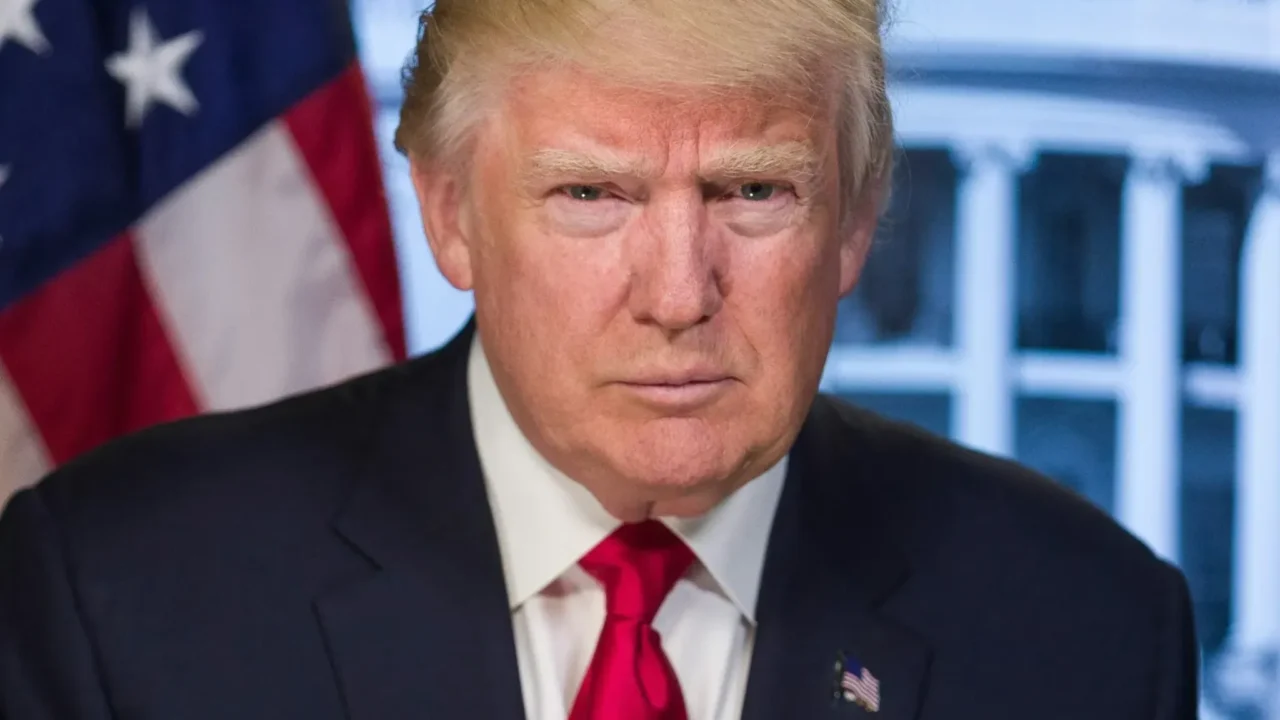
The bill is also closely tied to President Donald Trump’s broader push to make US policy more favorable toward digital assets.
Passage would give Trump a second major cryptocurrency policy victory after he signed legislation supporting dollar-backed stablecoins into law in 2025. Trump has prioritized crypto reform during his second administration and that the White House has been pushing strongly for the Clarity Act.
The industry itself has spent heavily to influence Washington.
Reuters reported that crypto companies spent more than $119 million supporting pro-crypto candidates during the 2024 election as they sought passage of both the Clarity Act and stablecoin legislation.
Banks Face New Competition Over Stablecoin Rewards
The bill could also reshape competition between crypto companies and traditional banks.
The Economic Times reported that banks have opposed provisions that could allow cryptocurrency companies to compete for deposits by offering customers rewards on their stablecoin holdings. Passage of the legislation would therefore represent a setback for banks that have fought to restrict that language.
Democrats Raise Trump Conflict-of-Interest Concerns
Political negotiations remain complicated by Trump’s own financial connections to cryptocurrency.
Trump disclosed more than $1.4 billion in income from his family’s crypto ventures for the previous year. Democrats want stronger restrictions on cryptocurrency ventures involving government officials and that negotiations over those provisions remain fluid.
The Senate’s decision to schedule a procedural vote does not guarantee passage, but it moves the Clarity Act closer to the chamber floor after years of uncertainty over how US securities and commodities laws should apply to digital assets.
When senators return in mid-September, the central test will be whether Republicans can attract enough Democratic votes to convert years of crypto lobbying and regulatory debate into the industry’s first broad federal rulebook.