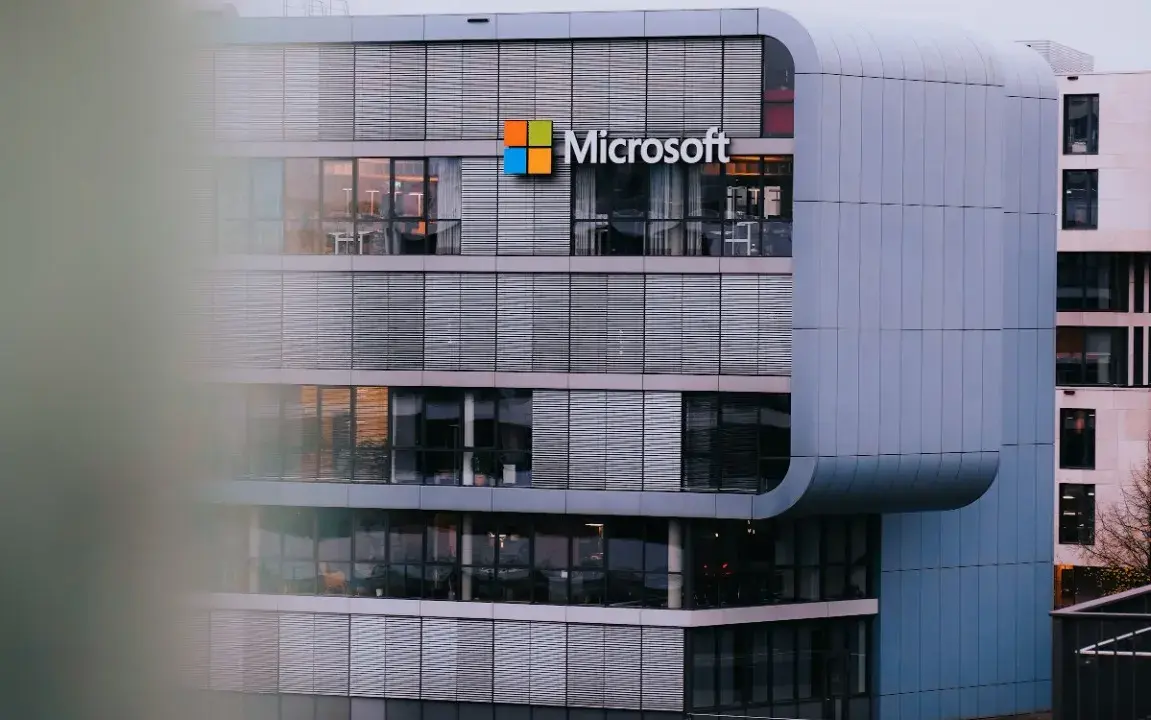
The technology giant’s latest workforce initiative highlights the growing tension between massive AI infrastructure spending, operational efficiency and the future of human employment.
Microsoft has introduced a voluntary exit program covering approximately 60,000 employees, representing about 27% of its reported global workforce, as the company reorganizes operations amid substantial artificial intelligence investments.
The October 26 announcement came from Amy Coleman, Microsoft’s executive vice president and chief people officer.
The program offers eligible employees financial support and career-planning resources if they choose to leave.
Unlike involuntary layoffs, the initiative does not mean that all 60,000 eligible employees will lose their jobs.
Microsoft said the program provides an additional way for participating organizations to respond to changing workforce requirements.
Voluntary Exits Extend Across Major Business Units
The offer applies to eligible employees at level 70 and below in participating organizations across the United States, United Kingdom, Canada and India.
According to Reuters, participating divisions include AI experiences, Copilot, finance, human resources, Xbox and Windows + Devices.
Other units, including marketing, commercial business and security, were reported to be excluded.
Microsoft employed approximately 223,000 full-time workers as of June 30, making the program one of the company’s broadest voluntary workforce initiatives.
The company has not disclosed how many employees are expected to accept.
According to GeekWire, employees have until the first week of December to decide.
A Workforce Strategy Shaped by Expensive AI Ambitions
The initiative follows Microsoft’s earlier voluntary retirement program, which was offered to approximately 8,750 eligible US employees.
Around 30% accepted that offer, according to GeekWire.
Microsoft also eliminated approximately 4,800 positions in July 2026, following extensive workforce reductions in 2025.
Meanwhile, the company continues investing heavily in artificial intelligence infrastructure, including data centers, computing capacity and cloud services.
Reuters reported that the latest voluntary exits come as Microsoft seeks to contain costs while financing major AI investments.
However, the company has not established that artificial intelligence directly replaced the employees being offered exits.
That distinction matters when interpreting the relationship between AI spending and workforce reductions.
The Human Cost of Organizational Flexibility
Voluntary departure programs offer employees more control than compulsory layoffs, but they create different challenges for employers.
Experienced workers with attractive opportunities elsewhere may be more willing to leave, potentially reducing institutional knowledge and creating skills gaps.
Employees must also evaluate severance, career prospects and uncertainty surrounding future workforce restructuring.
Microsoft has emphasized internal mobility and professional development alongside its workforce adjustments.
Coleman said the company intends to continue helping employees develop new skills and pursue opportunities within Microsoft where appropriate.
What This Means for the Technology Industry
For founders and technology executives, Microsoft’s restructuring illustrates an emerging management dilemma.
Companies investing heavily in AI must balance infrastructure expenditures, employee capabilities and long-term organizational resilience.
Workforce reductions may improve short-term operating costs, but the loss of experienced technical employees can also affect engineering continuity and institutional expertise.
The broader industry question is whether companies can finance AI-driven transformation without weakening the human capabilities required to build, maintain and govern those systems.