A week ago, CES 2026 wrapped in Las Vegas with the usual gadget glitter — but the real story wasn’t another screen getting brighter or thinner. It was the quiet consensus that AI has moved on from interfaces to infrastructure: not something you open, but something that runs underneath everything you touch.
That shift sounds abstract until you look at what companies actually shipped (or promised to ship). “Physical AI” was the buzzy phrase on the show floor — the idea that models won’t just generate text or images, they’ll perceive, reason, and act in the real world.
Here’s the uncomfortable part: once AI leaves the chat window, the cost of being wrong rises fast. A hallucinated email is annoying. A hallucinated health summary, a door unlock, or a robot arm movement is a different category of risk.
Three signals from last week that should change how we build
1) The “agent” is now a device, not a feature
At CES, Nvidia positioned its next computing era around Rubin, a new architecture set to begin replacing Blackwell in the second half of 2026 — a reminder that “AI progress” is still mostly “compute progress.”
But Nvidia’s bigger tell was its push into autonomy: Alpamayo, an open-source family of models and tools aimed at reasoning-based autonomous driving — explicitly framed as a “ChatGPT moment” for physical AI.
When the pitch becomes “it can explain its driving decisions,” we’re no longer debating cleverness. We’re debating accountability.
2) The chatbot is becoming your operating layer
Amazon’s Alexa+ is expanding from voice to the browser via Alexa.com for early access users, with features like uploading documents and extracting actionable information (recipes into shopping lists, schedules into calendars), plus tight links into shopping and smart home controls.
This is the new competitive battlefield: not “who answers best,” but “who can safely do things for you across services.” Convenience is the wedge. Integration is the lock-in. And reliability — still uneven in early experiences — becomes a safety issue when the action is real.
3) AI is moving into the most sensitive data you have
OpenAI’s launch of “ChatGPT Health” is a milestone because it formalizes what’s already happening: health and wellness are among the most common reasons people use consumer AI. OpenAI says (based on de-identified analysis) that over 230 million people globally ask health-related questions each week.
The product framing matters: a dedicated space, compartmentalization, and a clear statement that conversations in Health are not used to train foundation models — plus added encryption/isolation and the ability (in some regions) to connect medical records and wellness apps.
This is where the “AI everywhere” dream meets the reality that privacy is not a settings page — it’s an architecture.
The demos are getting better — and that’s exactly why we should worry more
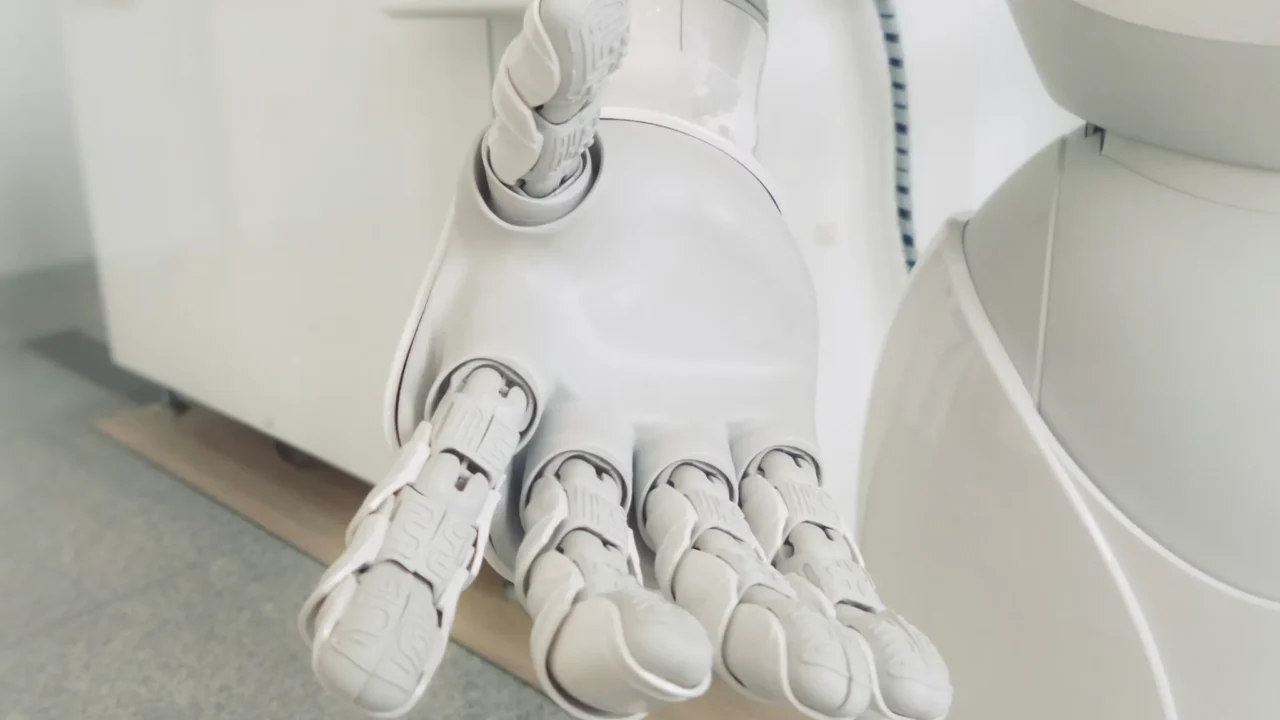
Humanoid robots looked closer than ever at CES, but “closer” still includes a lot of staged choreography. AP’s report on Boston Dynamics’ Atlas demo notes it was controlled remotely, with autonomy positioned as the next step rather than the present state.
Even so, the direction is unmistakable: Boston Dynamics also announced work with Google DeepMind to train and operate Atlas robots, and CES coverage highlighted Google’s AI research involvement in the robotics stack.
This is how the future arrives: first as a controlled demo, then as a narrow deployment, then as “normal.” The risk is that we treat each step as a product launch, not as a societal systems change.
The missing feature of 2026 is boring: trust
If you want a single takeaway from CES week plus the Health launch, it’s this: the next big platform advantage won’t be “smarter.” It’ll be “safer to connect.”
Trust isn’t vibes. It’s engineering choices that users can feel:
-
Compartmentalization by default. If a model can access your inbox, your door locks, and your medical history, it must also be able to not access them — cleanly, provably, and without hidden cross-talk. ChatGPT Health’s “separate space” approach is an early blueprint for how sensitive domains should be handled.
-
Audit trails that survive the real world. “It explained its decision” only matters if the explanation is logged, reviewable, and tied to the exact model/version, inputs, and permissions at the time.
-
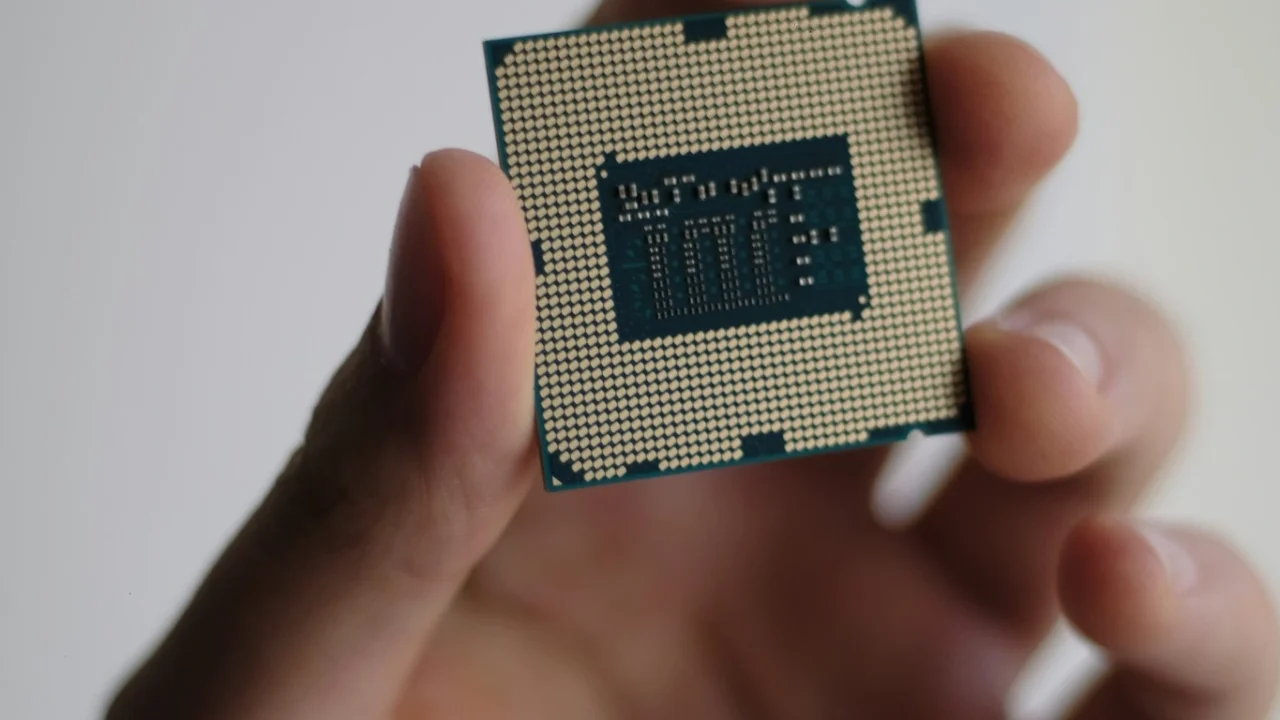
On-device capability where it counts. AMD’s Ryzen AI 400 series push — including NPUs reaching up to 60 TOPS in the lineup — signals where consumer hardware is headed: more local inference, less round-tripping everything to the cloud. That’s not just speed; it’s a privacy and resilience lever when designed well.
-
Graceful failure, not magical success. For assistants and robots, the gold standard isn’t “it usually works.” It’s “when it fails, it fails safely.” No surprises, no silent retries, no “close enough.”
Regulation is arriving on a schedule — but product reality is arriving faster
In the EU, the AI Act’s timeline is no longer theoretical: general provisions and prohibitions began applying in February 2025; rules for general-purpose AI apply from August 2025; and the majority of rules, including enforcement and key transparency requirements, start applying on August 2, 2026.
That matters because the industry’s direction (agents that act, devices that move, assistants that connect to everything) is accelerating into exactly the domains regulators care about: high-risk systems, transparency, and accountability.
The mistake would be treating compliance as a 2026 Q3 scramble. If you’re shipping “physical AI” now, governance has to ship with it , not as a PDF, but as product.
Our bet: the winners will make AI feel smaller
The last two years rewarded whoever could make AI feel limitless. 2026 will reward whoever can make it feel contained, bounded by permissions, predictable in behavior, and honest about uncertainty.
The companies that win won’t just add AI to devices. They’ll add:
-
a clear “why this happened” button,
-
a reversible action model,
-
a visible permission map,
-
and a default posture of “ask before acting.”
Because the future we saw at CES isn’t just AI everywhere. It’s AI somewhere specific — in your car, your home, your calendar, your body metrics. And in those places, the only sustainable magic trick is trust.