Every home depends on appliances that work quietly for years, sometimes even decades, without much notice.
Refrigerators run all day and night. Electric fans spin for hours during hot weather. Washing machines handle repeated stress. Even with heat, friction, and electrical loads, these machines keep working reliably.
This durability is no accident. Appliances are built using materials science, thermal engineering, electrical protection, and mechanical reliability to handle long-term stress. Engineers plan for heat, power surges, friction, and nonstop use.
All this creates a complex system inside devices that most people rarely notice. Learning how appliances handle heat and time shows the advanced technology behind everyday machines.
Thermal Engineering: Managing Heat in Everyday Machines
A big reason appliances last for years is their ability to control and get rid of heat. Electrical devices always produce heat when they work, and too much heat can quickly damage electronics and motors. That’s why engineers design appliances with systems that move heat away from important parts.
In refrigerators, this heat management system is central to how the appliance works. Refrigerators rely on a vapor-compression refrigeration cycle, which moves heat from the interior of the refrigerator to the surrounding environment.
According to the U.S. Department of Energy, refrigerators operate by circulating a refrigerant through a compressor, condenser, expansion device, and evaporator to remove heat from inside the unit. The Department explains that refrigerators and freezers move heat from inside the cabinet to the outside using a refrigeration cycle.
The condenser coils behind or under a refrigerator release heat into the air. Fans and vents help get rid of this heat so the system stays cool. That’s why manuals often suggest leaving space behind refrigerators for airflow.
Managing heat is also important in the motors of fans, washing machines, and air conditioners. When motors run, electrical resistance creates heat, and if too much builds up, it can damage the insulation inside.
The Association of Electrical and Mechanical Trades highlights that temperature control is a critical factor in electrical equipment reliability. The institute notes that excess heat is one of the primary causes of failure in electrical systems because it accelerates insulation degradation and component aging.
To prevent such damage, appliance motors incorporate thermal design features such as ventilation slots, cooling fans, and heat-resistant insulation materials. These systems ensure that even when appliances run for extended periods, temperatures remain within safe operating limits.
Materials That Withstand Years of Stress
Another key reason appliances endure heat and time is the choice of materials used in their construction. Engineers select materials that can tolerate repeated thermal expansion, friction, and environmental exposure.
For example, many parts are made from heat-resistant plastics, stainless steel, and copper alloys. Copper is often used in wiring and motors because it conducts electricity and heat very well.
The Copper Development Association explains that copper is widely used in electrical equipment because it combines high electrical conductivity with strong resistance to corrosion and fatigue.
Copper wiring lowers electrical resistance, which means less heat is produced. Lower resistance also makes appliances more efficient and helps them last longer.
Insulation materials are equally important. Motor windings and electrical circuits are typically coated with enamel insulation or polymer layers that can withstand temperatures well above normal operating conditions. These materials prevent short circuits even when appliances become warm during operation.
Research in the IEEE Electrical Insulation Magazine states that modern motor insulation systems are engineered to tolerate temperatures exceeding 150°C while maintaining electrical integrity.
This heat tolerance allows appliances to operate safely even during prolonged use.
Bearings, Lubrication, and Mechanical Longevity
Fans and other appliances with moving parts have another challenge: mechanical wear. When parts keep rotating, friction builds up and can wear them down over time.
To address this, engineers use bearings and lubrication systems designed for long service life. Bearings reduce friction between moving parts, allowing shafts and rotors to rotate smoothly.
According to engineering research published by the SKF Bearing Company, proper bearing design significantly reduces friction and energy loss in rotating equipment. The company notes that bearings support and guide rotating shafts while minimizing friction and wear.
Fans usually have either ball bearings or sleeve bearings in their motors. Ball bearings last longer and are used in better-quality fans because they handle heavier loads and longer use.
Lubricants are also important. Grease or oil inside the bearings creates a thin layer between surfaces, stopping metal parts from rubbing directly against each other.
Research published in the Journal of Tribology explains that lubrication reduces wear because it creates a protective film that separates moving surfaces and reduces friction.
Without these systems, appliances like fans would wear out quickly from friction and heat.
Protection Systems That Prevent Electrical Damage
Modern appliances also have electrical protection features that stop damage from power surges, overheating, or faults inside the device.
Many appliances have thermal cut-off switches. These parts automatically turn off the device if it gets too hot inside.
The Consumer Product Safety Commission explains that thermal protection devices help prevent fires by interrupting electrical current when excessive heat is detected.
These safety features are especially important in devices like refrigerators that run all the time. If the compressor motor gets too hot, the thermal cut-off stops it from running until it cools down.
Another common safety feature is the surge protector, which protects appliances from sudden voltage spikes caused by lightning or changes in the power grid.
According to the Electrical Safety Foundation International, power surges can damage electronic equipment because sudden increases in voltage can overwhelm circuits and destroy sensitive components.
Many modern appliances have built-in circuits that control voltage and protect their electronics from these surges.
Refrigerators: Machines That Never Rest
Of all household appliances, refrigerators are one of the toughest engineering challenges because they run nonstop for years.
A refrigerator’s compressor can turn on and off thousands of times each year. Even with all this use, many refrigerators last 10 to 15 years or longer.
This long life comes from strong compressor design. Compressors use hardened steel parts and sealed lubrication to reduce wear.
A study shared in MDPI explains that refrigeration compressors are designed for reliability because they must operate for long periods with minimal maintenance while maintaining stable thermodynamic performance.
Engineers also incorporate vibration control systems to reduce mechanical stress. Rubber mounts and shock absorbers isolate the compressor from the rest of the refrigerator structure, preventing vibrations from damaging other components.
Electric Fans: Simple but Durable Machines
Electric fans are another example of appliances built to last. They may look simple, but their design focuses on efficient airflow and strong motors.
Fan blades are shaped to move air efficiently and put less strain on the motor.
Research from the American Society of Mechanical Engineers shows that blade angle and curvature affect airflow performance and energy consumption. Engineers optimize these parameters to ensure that fans deliver strong airflow without overloading the motor.
Fan motors are usually made to run for long periods without overheating.
In many places, ceiling fans run eight to twelve hours a day during hot weather. They last because of good motor design, proper ventilation, and strong bearings.
Electronics and Smart Control Systems
Today’s appliances often have microprocessors and smart controls that help them work better and last longer.
For example, inverter technology in fridges and air conditioners lets compressors change speed based on how much cooling is needed, instead of just switching on and off.
The International Energy Agency notes that inverter-driven appliances improve efficiency and reduce mechanical stress because they allow motors to operate at variable speeds instead of fixed cycles.
This smoother way of running puts less wear on motors and compressors, so appliances last longer.
Smart sensors also check temperature, humidity, and electrical load inside appliances. If something unusual happens, the control system can turn off the device before it gets damaged.
Quality Testing and Durability Standards
Before reaching consumers, appliances undergo extensive durability testing.
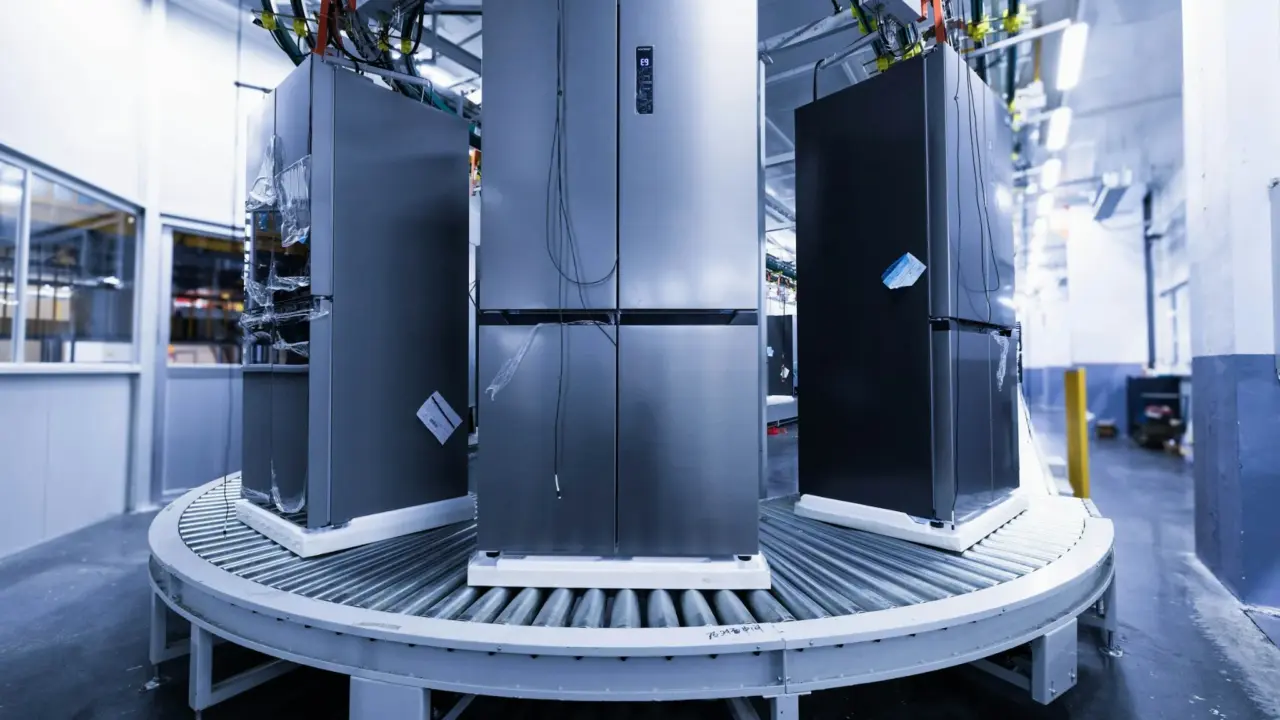
Manufacturers test appliances by simulating years of use in a short time. Motors might run nonstop for thousands of hours, and compressors are started and stopped many times to check reliability.
The International Electrotechnical Commission (IEC) develops standards that ensure appliances meet safety and performance requirements before entering the market.
These standards include electrical safety, heat resistance, and mechanical strength.
These tests make sure appliances can handle real-life conditions like high temperatures and heavy use.
Engineering for Longevity in Everyday Life
Refrigerators, fans, and other appliances last through heat and time because different engineering fields work together. Cooling systems stop overheating, strong materials fight corrosion and wear, lubrication cuts down friction, and electronic circuits protect against electrical problems.
The hum of a refrigerator or the steady spin of a fan comes from machines designed with years of research in thermodynamics, materials science, electrical engineering, and mechanical design.
You might not see these technologies, but they quietly keep our homes running smoothly. Without them, appliances would break down quickly from constant use and heat.
Instead, because of advanced engineering, these appliances keep doing their jobs every day, often for many years. This shows how complex technology can be found in the most ordinary things we use.