Six major banks are calling for stronger safeguards around agentic commerce, as AI assistants move from recommending products toward selecting goods and making payments on behalf of consumers.
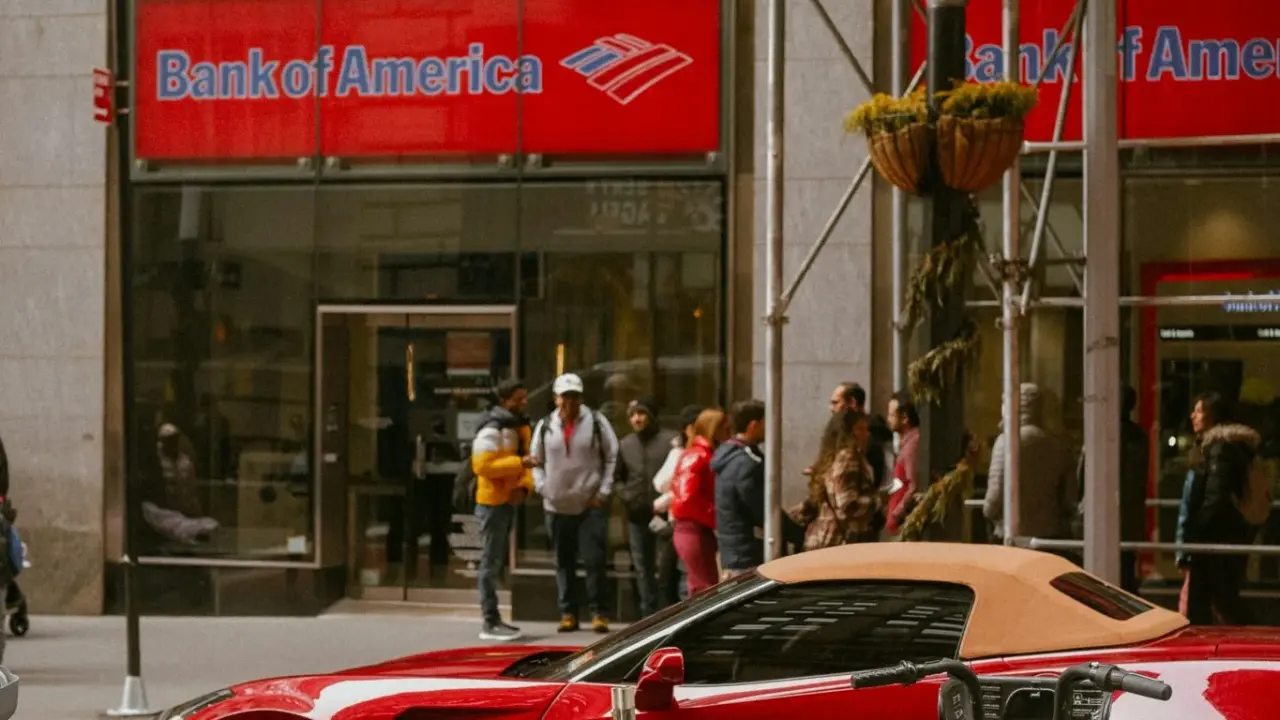
Bank of America, Capital One, Commonwealth Bank of Australia, ING Group, NatWest Group and ASB Bank have jointly published principles intended to guide a future in which AI agents play a larger role in how people shop and pay.
Reuters reported that the banks believe agentic commerce is developing faster than existing “industry standards and consumer protections”, raising concerns about scams, fraud, privacy and the handling of financial information.
Shopping assistants are becoming transaction agents
AI already helps consumers discover and compare products. The more significant change begins when software receives permission to act.
Mastercard says AI agents are beginning to search, compare, decide and transact within boundaries set by users. That transition means software can potentially move from recommending a purchase to actually triggering one.
The participating banks argue that this creates new requirements around identity, authorization and accountability.
Commonwealth Bank said the joint framework focuses on five areas: transparency, safety, privacy and data, choice, and interoperability. The banks want customers and merchants to retain control and flexibility over how transactions are completed.
Consumers are interested but remain hesitant about payments
The trust gap becomes clearer when AI moves from recommendations to money.
Visa’s September research found that although 72% of U.S. consumers had used an AI assistant alongside search engines to discover products, only 23% trusted generative AI to handle payment transactions on their behalf.
That difference illustrates why agentic commerce is not merely another chatbot feature.
An AI can suggest the wrong pair of shoes with limited consequences. An agent that selects the wrong seller, chooses an insecure payment method or exceeds a spending limit creates a financial dispute.
Reuters reported that banks are concerned agents could mishandle sensitive financial information, overspend or steer users toward less protected payment options. Consumers may also be unsure whether an agent is truly acting in their interest or who is responsible when a transaction goes wrong.
Payment networks are building technical controls
The industry is already experimenting with infrastructure intended to make agent transactions verifiable.
Mastercard’s newly expanded Agent Connect system lets participating agents move through product discovery, cart creation and payment while keeping purchases tied to consumer authorization. Its Agent Pay technology uses “Verifiable Intent” to help confirm that purchases reflect the consumer’s authorization.
This points to an important engineering problem: autonomous commerce needs more than a payment credential.
Systems may need to preserve what a customer requested, what the agent was allowed to change, how it selected a merchant and whether the final purchase remained inside those boundaries.
For product teams, the next generation of shopping AI will therefore be judged on more than convenience.
If software is going to spend money for people, proving that the software acted within the user’s intent may become as important as completing the transaction itself.