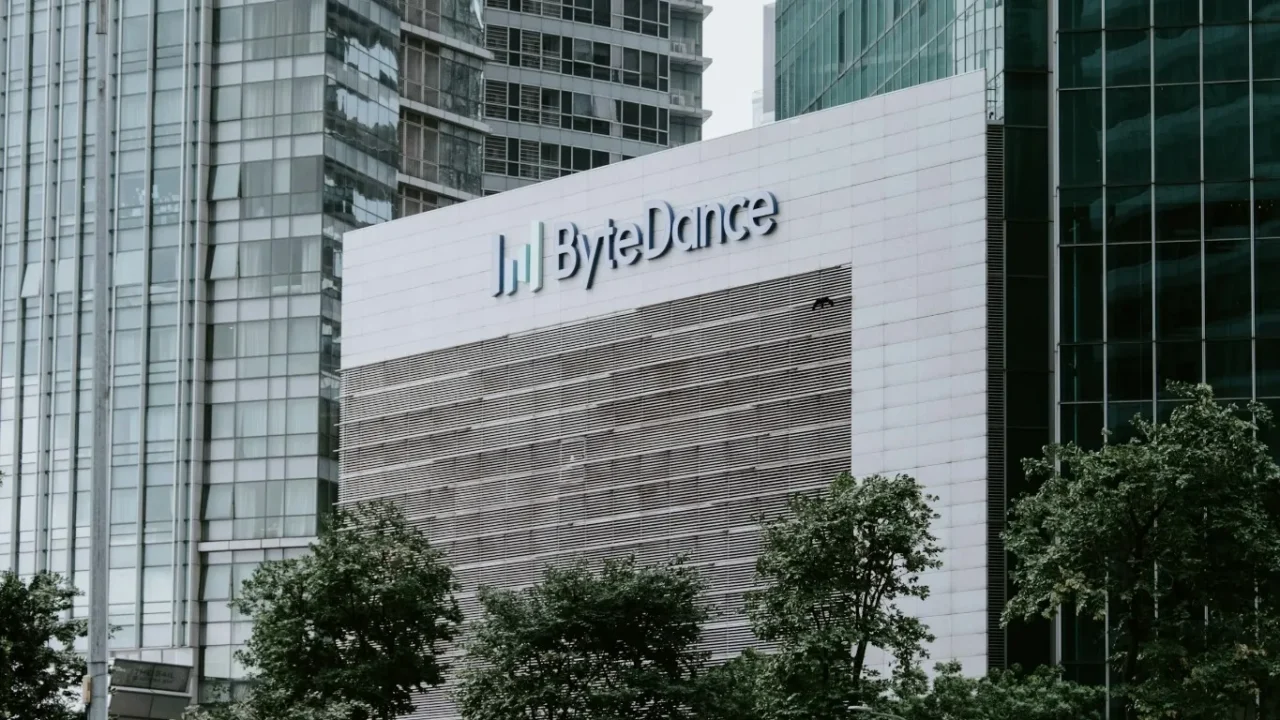
ByteDance says it is adding more safeguards to its Seedance AI video generator after Hollywood figures criticized the tool for creating content that looked very similar to copyrighted material.
This controversy has led to bigger questions about how copyright laws apply to generative AI tools, as ByteDance works to address concerns about how its system creates video content.
Copyright concerns spark backlash
According to the South China Morning Post, Seedance, ByteDance’s AI video tool, was accused of generating content that looked like scenes and characters from popular Disney movies. Critics called the technology a possible “copyright smash-and-grab,” saying its results seemed to copy existing intellectual property.
Channel News Asia reported that people in Hollywood accused the tool of enabling large-scale copyright infringement, saying it could create visuals similar to well-known film characters and settings. This criticism increased pressure on ByteDance to explain how the technology was trained and what protections it uses.
ByteDance responds with stronger protections
After the backlash, ByteDance said it is making its safeguards stronger to lower the risk of copyright violations. The company said it is working to improve how the system handles prompts and creates content, to help prevent material that looks too much like protected works, according to the South China Morning Post.
ByteDance has stressed it does not want the tool to copy existing intellectual property and is working to improve how it controls the tool’s outputs.
Growing scrutiny over AI training and outputs
The Seedance controversy shows the ongoing tension between AI developers and the entertainment industry. Hollywood figures are speaking out more about worries that generative tools might use copyrighted material to make new content, raising questions about ownership and creative rights.
The backlash shows the increasing legal and ethical pressure on companies making AI systems that can create images and videos similar to existing works. As generative tools get better, arguments over copyright and training data are happening more often.
Ongoing debate over AI and intellectual property
This issue puts ByteDance at the center of a bigger industry debate about how to balance new technology with copyright protection. As AI video tools get better, people will likely keep worrying about how much their results look like real films, characters, or visual styles.
ByteDance’s move to add more safeguards shows that companies making generative systems are responding more to legal, ethical, and industry pressure as they grow their AI abilities.