
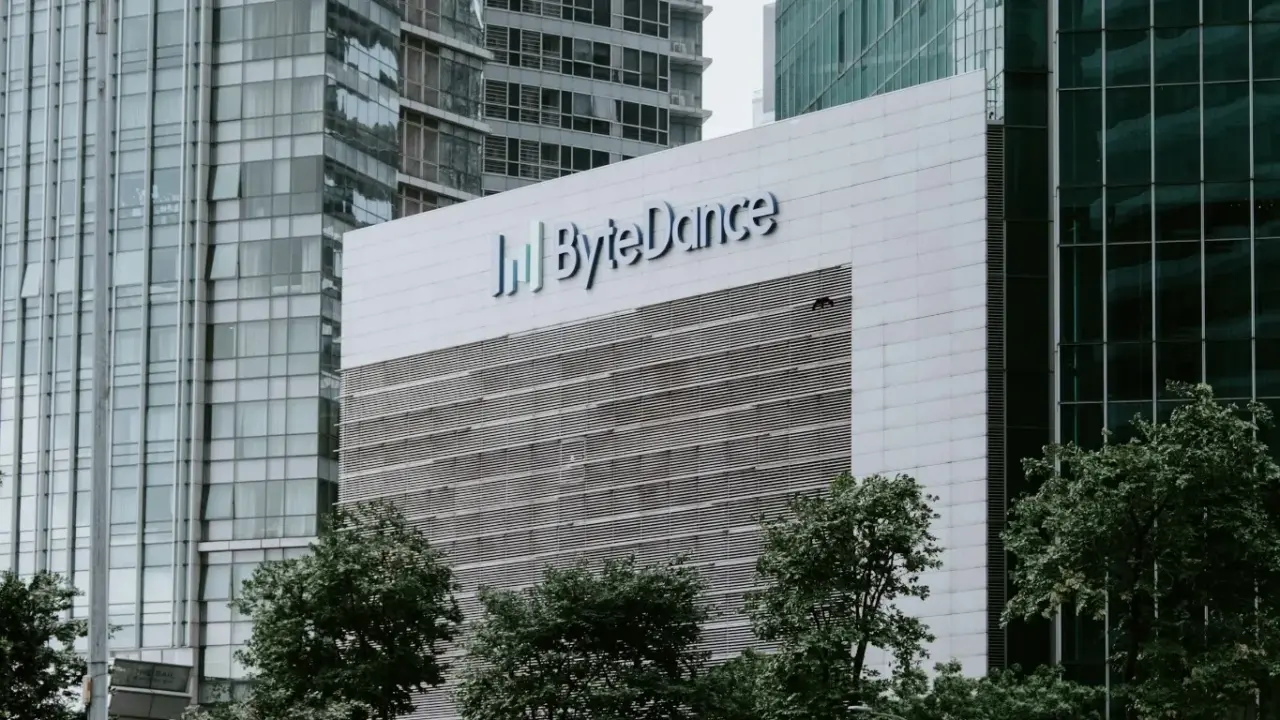
ByteDance, the Chinese company that owns TikTok, is reportedly working with a cloud partner in Malaysia to access Nvidia’s most advanced AI chips outside China. This move shows that Chinese tech companies are still finding ways to get high-end AI technology beyond the mainland, even with U.S. export controls in place.
Report points to major Blackwell deployment in Malaysia
Reuters said that ByteDance is working with Southeast Asian cloud provider Aolani Cloud to deploy about 500 Nvidia Blackwell computing systems in Malaysia, equivalent to roughly 36,000 B200 chips. The report said the build-out is intended to support ByteDance’s artificial intelligence efforts globally rather than inside China.
The scale is notable. The hardware expansion would likely cost more than $2.5 billion, a figure that would far exceed Aolani Cloud’s current installed base of about $100 million worth of hardware. That gap underscores how large the planned deployment is relative to the existing size of the partner’s business.
Economic Times reported that ByteDance plans to use the computing power for AI research and development outside China and to serve growing global demand for AI from its customers. That framing suggests the company is positioning the infrastructure as part of its international AI expansion, not only as a workaround for chip restrictions.
Nvidia says export rules permit clouds outside controlled countries
Nvidia did not dispute the overall arrangement described in the report.
Reuters quoted an Nvidia spokesperson who said that by design, the export rules allow clouds to be built and operated outside controlled countries. The spokesperson also said that working with these cloud operators could bring tens of billions of dollars and high paying jobs home. Nvidia added that all its cloud partners are reviewed internally before they can receive the company’s products.
That statement is significant because it points to a legal and commercial distinction in current U.S. rules: advanced AI infrastructure may still be deployed outside restricted markets, even when the end customer is a Chinese company using it for offshore operations. The chips would be accessed through a regional cloud setup rather than shipped directly into China.
Aolani cites export-control compliance
Aolani Cloud spokesperson said that the company adheres fully to all applicable export control regulations and aims to provide cloud-computing services to multiple companies across Asia and globally. ByteDance, by contrast, did not immediately respond to Reuters’ request for comment.
The absence of a direct ByteDance response leaves open key operational details, including how quickly the systems would be deployed and how much of the capacity would be reserved for internal use versus external customers. Still, the reported numbers suggest a project large enough to materially expand ByteDance’s global AI computing base.
Deal follows earlier report on Nvidia H200 access
The reported Malaysia arrangement also comes after an earlier development involving a different Nvidia chip. The United States was willing to allow ByteDance to buy Nvidia H200 chips, but Nvidia had not agreed to proposed conditions for their use, according to a person familiar with the matter.
Overall, these reports show that ByteDance is trying several ways to get advanced AI computing power as competition in generative AI heats up. If the Blackwell project goes ahead as planned, it would be one of the clearest examples of a Chinese tech company building top-level AI capacity overseas using a third-party cloud provider.