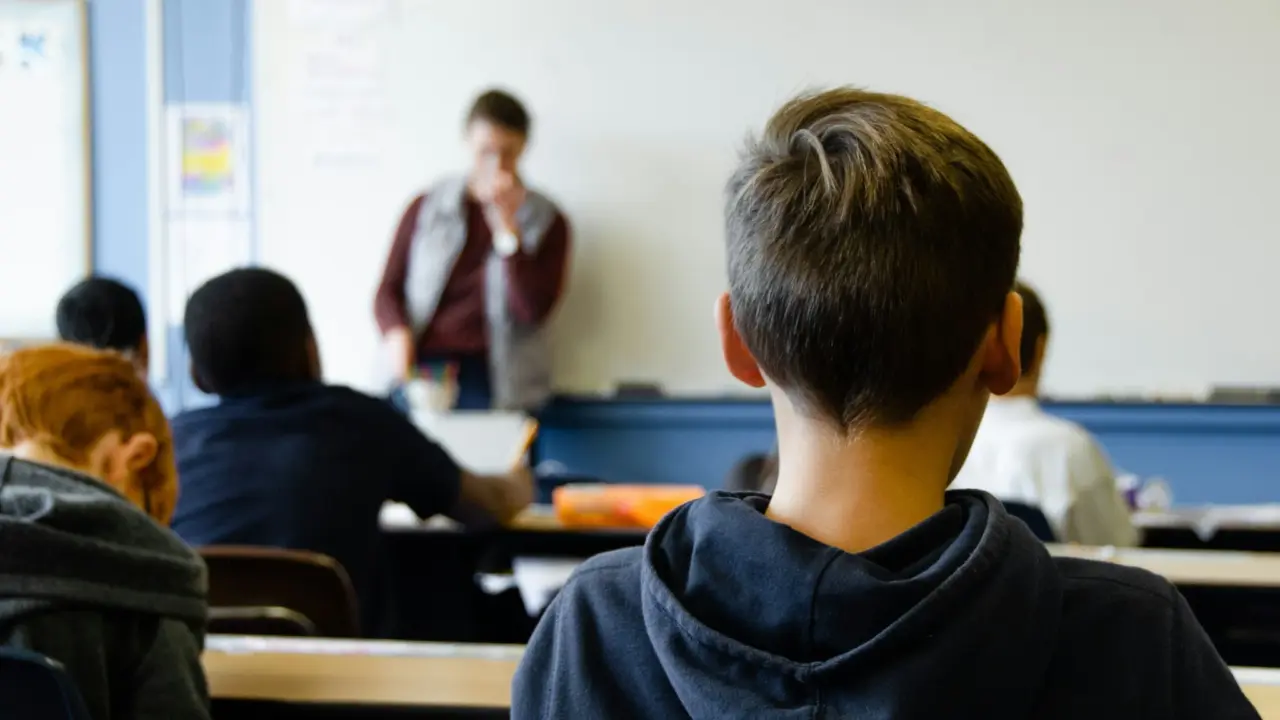

The new training initiative aims to equip public school teachers with practical AI skills while addressing student privacy, critical thinking and the risks of relying on chatbots.
Microsoft and the Philippines’ Department of Education (DepEd) have launched a training initiative to equip 2,000 public school teachers with AI literacy credentials, placing greater emphasis on preparing educators to guide students through the opportunities and risks of generative artificial intelligence.
The November 5 launch introduced Microsoft Elevate for Educators alongside the AI Classroom Toolkit and Behind the Chat, a resource designed to support conversations about digital safety.
Approximately 100 senior high school teachers attended a hands-on session at Microsoft’s Philippines office in Makati City.
The Department of Information and Communications Technology (DICT) and ChildFund Philippines also participated, highlighting concerns about helping young people navigate increasingly sophisticated digital environments.
Beyond Teaching Educators to Use Chatbots
The initiative builds on an August partnership under which Microsoft committed to providing one million Filipino public school teachers with access to Microsoft Copilot.
That earlier training program recorded more than 175,000 registrations and nearly 75,000 live attendees, according to Microsoft.
The new program focuses on professional development, practical classroom applications and responsible use.
Caroline Foo, managing director of Microsoft Philippines, emphasized that educators need judgment and adaptability alongside technological skills.
Meanwhile, Ana Kristelle Garcia-Ortiz, director III of DepEd’s National Educators Academy of the Philippines (NEAP), highlighted the importance of helping teachers strengthen students’ critical thinking and responsible digital behavior.
Student Safety Becomes Part of AI Literacy
The Behind the Chat materials address privacy, oversharing, emotional attachment and AI-generated advice.
Developed with Cyberlite, the resources drew on workshops involving 131 students aged 12–18 across nine schools in India and Singapore.
They use fictional scenarios to help educators discuss sensitive situations without requiring students to disclose their own experiences.
Microsoft’s digital safety director Madeline Shepherd emphasized the need to help students question online information, protect their privacy and understand when to seek support from trusted people.
These concerns align with UNICEF’s 2025 guidance on AI and children, which identifies child safety, privacy, transparency and age-appropriate safeguards as important requirements for AI systems.
Training Must Go Beyond Technical Familiarity
UNESCO’s AI Competency Framework for Teachers identifies 15 competencies across five areas, including AI ethics, pedagogy, professional learning and human-centered decision-making.
The framework underscores why teachers need more than operational familiarity with AI tools.
They must also evaluate generated information, recognize limitations and determine when human judgment should take precedence.
Microsoft and training partner Audentes Technologies plan two virtual sessions in November, followed by eight live learning sessions between January and May 2027.
The initiative targets 2,000 trained and credentialed educators, but its classroom outcomes have not yet been established.
What This Means for Educational Technology
For technology companies, the program illustrates the growing importance of teacher training in educational AI deployment.
Providing access to software does not automatically ensure that educators can evaluate generated content or protect students’ information.
Companies developing classroom technologies increasingly need to consider practical training, transparency and age-appropriate safeguards alongside product capabilities.
The bigger test for educational AI is whether teachers become more capable of guiding students—not merely whether more classrooms gain access to intelligent software.