
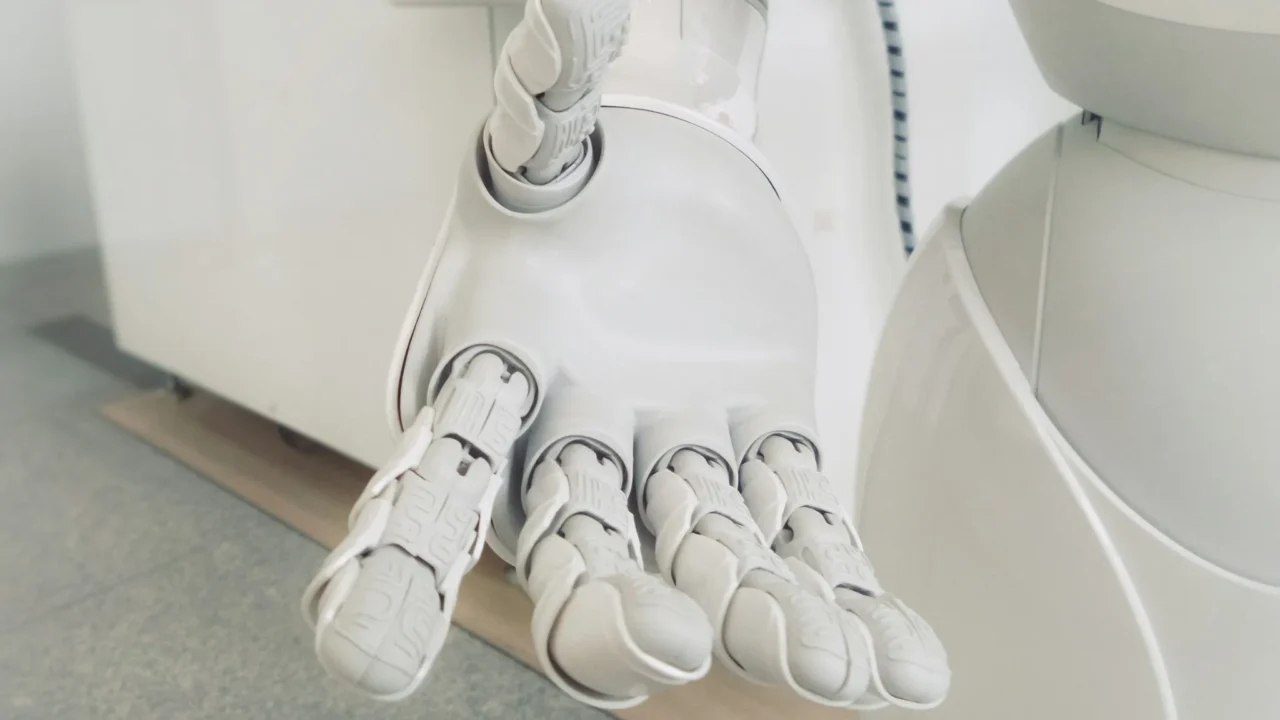
Qualcomm is focusing on robotics as its next big area for growth. CEO Cristiano Amon expects this sector to become a much bigger opportunity for the company in the next two years.
Amon shared at Mobile World Congress in Barcelona that robotics will start to grow in the next two years and become a bigger opportunity for Qualcomm. These comments show that Qualcomm is moving beyond its usual smartphone business, where its Snapdragon processors have been a mainstay.
Dragonwing: Qualcomm’s Robotics Push
In January, Qualcomm introduced a robotics processor called Dragonwing, which works with many types of robotics platforms. CNBC noted that this is similar to Qualcomm’s approach in smartphones, where Snapdragon chips are used in many devices.
Tech in Asia pointed out that with Dragonwing, Qualcomm is trying to create a chip that can support many types of robots, helping the company compete in powering intelligent machines.
Amon said that improvements in ‘physical AI’ are making robots more useful and bringing them closer to being widely used in business.
The Rise of Physical AI
Investors are showing more interest in robotics again, mainly because new AI models let machines understand and react to the real world.
Physical AI refers to systems that combine machine learning with real-world movement, enabling robots to understand their environment and act accordingly.
Robotics spans multiple segments, including industrial robotic arms and humanoid robots — the latter being developed by companies such as Tesla and various Chinese firms.
A Competitive Race for Robotics Computing
Qualcomm is not alone in identifying robotics as a long-term growth frontier.
Nvidia CEO Jensen Huang said last year that robotics represents one of Nvidia’s major potential growth opportunities.
The broader battle among chipmakers centers on supplying the computing “brain” that powers machines operating in the physical world beyond smartphones and PCs.
Robotics has also emerged as a key theme at this year’s Mobile World Congress, with various exhibitors showcasing robots. Chinese smartphone brand Honor teased its first humanoid robot at the event.
Market Potential Runs Into Trillions
Analysts expect the robotics industry to grow a lot over the long term.
McKinsey’s estimate could reach $370 billion by 2040. RBC Capital Markets analysts predict the global highlighting the large long-could berm market for both industrial and humanoid robots.
From Phones to Intelligent Machines
Qualcomm’s strategy suggests the company sees robotics as a natural evolution of its semiconductor expertise.
Using its background in smartphone chips, Qualcomm wants to provide the processors for a new generation of autonomous and semi-autonomous machines.
If Amon’s prediction is right, robotics could move from testing to a real business for Qualcomm in the next two years. This would be a big change for a company mostly known for mobile devices.