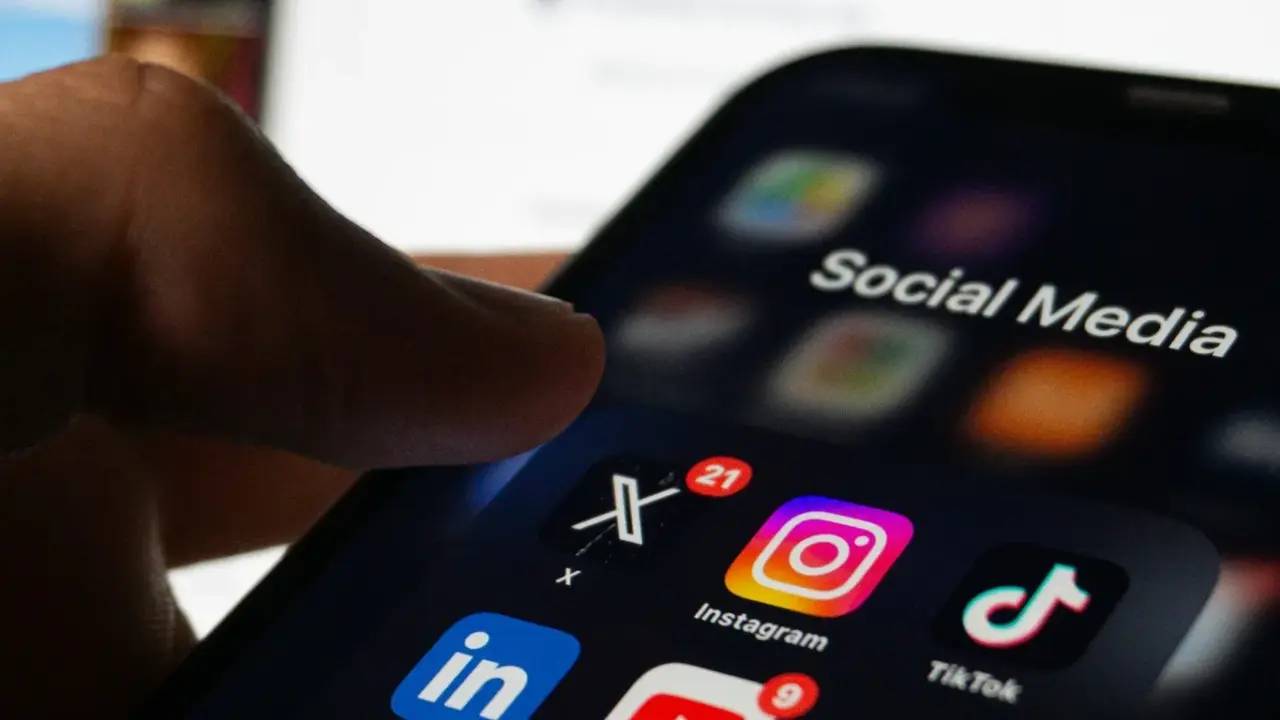
Senior British doctors are warning that social media has become a public health danger for children, comparing its risks to smoking as the UK government considers tougher restrictions on under-16s.
The Academy of Medical Royal Colleges said social media “ranks alongside smoking” as a danger to children, urging lawmakers to act on the harm caused by excessive screen time and online exposure. The warning was made in a submission to the UK government’s consultation on protecting children online, which closed on Tuesday.
Doctors warn of weekly harm linked to tech
The Academy of Medical Royal Colleges represents the UK and Ireland’s 23 royal medical colleges and faculties, giving the warning significant weight across the medical profession.
Reuters reported that more than half of 132 doctors surveyed saw at least one case of health harm that could be related to technology and devices every week. More than a third saw evidence of harm multiple times a week.
The harms described were both physical and psychological. Cases ranged from physical injuries linked to children copying extreme pornography to mental health impacts such as trauma from seeing violence online.
UK considers bans, curfews, and app limits
The warning comes as Britain reviews possible new restrictions on children’s social media use.
The UK is consulting on measures that could include a possible social media ban for under-16s, curfews, app time limits, and restrictions on addictive design features. Australia became the first country to ban social media for children under 16 last year, with European countries considering similar action.
The UK’s Online Safety Act already requires social media companies to protect children from illegal and harmful online content, but the government has said it plans to go further.
In a January statement to Parliament, Technology Secretary Liz Kendall said the consultation would include the option of banning social media for children under 16, raising the digital age of consent, curfews overnight, breaks to stop excessive use, stronger age verification, and action on VPNs used to bypass protections.
Liz Kendall says government will act
The government is now signaling that some form of intervention is likely.
BBC News shared that Technology Secretary Liz Kendall told that the question is not whether the government will act, but whether the response will be a social media ban for under-16s or restrictions on key features and functions.
That statement matters because it suggests the debate has moved beyond whether children’s social media use needs regulation. The harder question is what kind of regulation will work without pushing harmful activity underground or cutting children off from useful online communities.
Families are testing their own restrictions
While the government weighs policy options, some families are already experimenting with limits at home.
Hundreds of British families are testing social media bans, curfews, and app time limits to see how they affect children’s sleep, family life, and schoolwork.
The results of those family-level experiments could help shape the wider debate. Parents often face the problem before lawmakers do: children use phones for school, friendships, entertainment, identity, and peer support, but the same platforms can expose them to addictive feeds, harmful content, and pressure that affects sleep and mental health.
Experts remain divided on total bans
The strongest disagreement is over whether a full ban for under-16s would actually help.
Experts are divided on the effectiveness of a total ban, while a group of young people in London opposed restrictions.
That split reflects the difficulty of regulating social media as a child health issue. Doctors are warning that the harms are serious enough to compare with historic public health risks like smoking. But any policy must also address enforcement, age verification, platform design, privacy, and the reality that young people may find ways around blanket restrictions.
Social media becomes a public health issue
The doctors’ warning marks a sharper shift in how social media is being discussed.
For years, the debate focused on screen time, parental control, and content moderation. Now, British medical leaders are framing children’s social media use as a public health threat that requires government action, not just household-level discipline.
The comparison with smoking is powerful because it suggests a familiar policy path: warnings, restrictions, age limits, design rules, and stronger accountability for companies. The challenge for the UK government is to decide whether social media should be regulated like a harmful product, a communications service, or something in between.