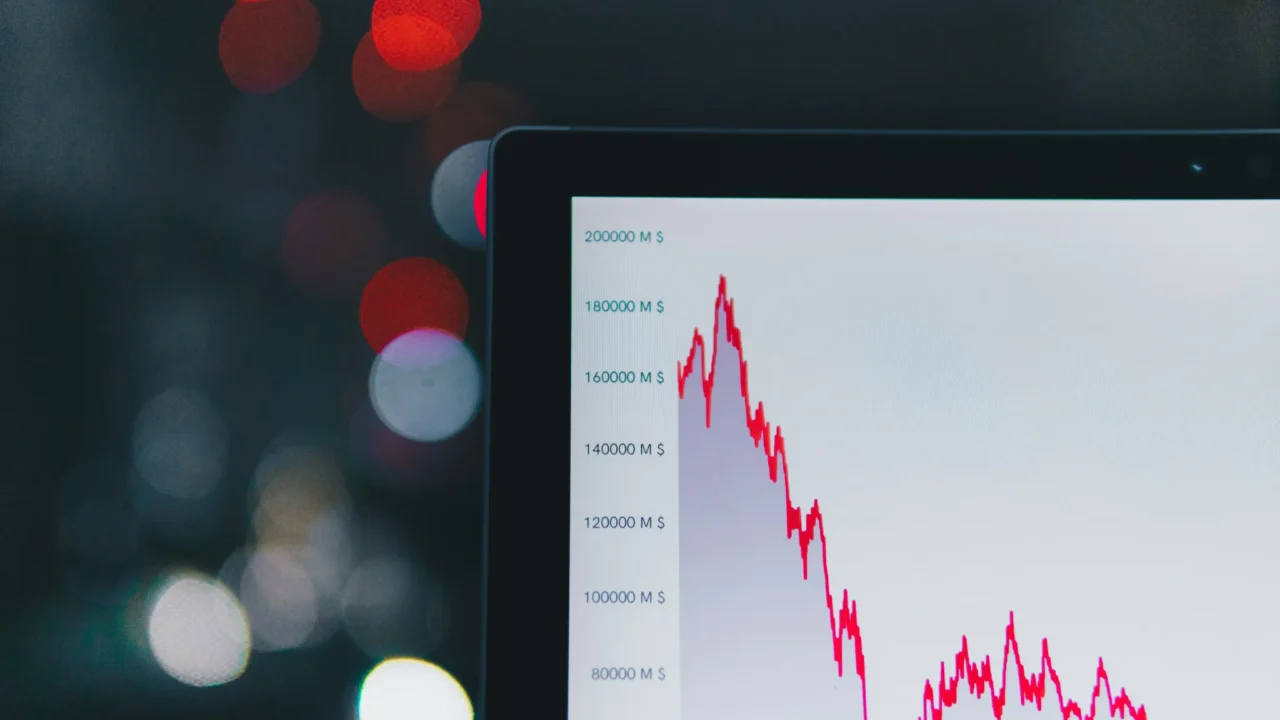

Artificial intelligence, in combination with data analytics, is behind a major shift in how sectors function in order to deal with challenges in operations. Ranging from the management of micromobility services in distributed work environments to revamping property investments, intelligent automation is quickly proving to be the only answer to staying ahead of competitors. Let’s gauge this for real at work in two high-speed sectors.
Optimizing Micromobility Operations With Smart Workforce Management
The micromobility revolution (sharing e-scooters and e-bikes) has transformed urban mobility. However, even as this provides a seamless customer experience, a complex of operational issues exists in this sector, including dealing with dispersed personnel, estimating demand variations, etc.
The Core Challenges
The operation of micromobility systems is accompanied by several challenges which current approaches do not efficiently tackle. Demand is quite irregular, ranging from low to very high, depending on whether it is due to weather, an event, or even time of day, which is challenging to resource. Secondly, the operations to be conducted are quite complex when taking into consideration balancing, charging, as well as repair processes, all of which require synchronization in several regions, at different times, including at the same time. Lastly, resource utilization is always quite challenging, as micromobility companies neither have enough staff during this time nor idle capacity during down time.
Normally, this traditional dispatching process utilizes static scheduling, which is incapable of resuming quickly enough to accommodate real-world conditions in order to keep up with an event-based dynamic environment. This makes workers dispatched to locations where, upon arrival, the data of assignment is already obsolete, hence increasing wasted trips as well as dissatisfied workers. A failure in this service, whether it is of a large event or of a weather-related nature, impacts customer trust of an organization’s brand services.
AI-Powered Solutions in Action
Current state-of-the-art AI systems offer solutions for these operational issues using different intelligence tools. Predictive staff allocation, for example, analyzes past ridership patterns, weather, and event data to forecast staff requirement needs, which enables staff to be sent out proactively as opposed to reactively. Smart task assignment also adapts to real-time scenarios by automatically assigning work to send out the closest available staff, depending on locations of low battery scooter clusters, for example, or areas that require repairs. Performance analytics, in addition, provides an analytical overview of what is going well, what is going badly, using different metrics to monitor performance using repair time, for instance, or success rates of completed tasks.
Apart from optimization, more sophisticated AI systems also utilize a methodology of reinforcement machine learning, which further refines their judgment mechanisms in order to make better decisions. The systems learn from previous experiences, finding out which actions lead to better consequences in a certain set of conditions. For instance, they learn to find different strategies for balancing in morning commutes as opposed to evening journeys for fun.
Integration with mobile applications has also impacted the work experience of field workers in a significant manner. Instead of receiving a static set of tasks to be completed, they get intelligent notifications that modify themselves in real time, taking into consideration both critical problems as well as location and capacity constraints of workers at a given time, which results in increased efficiency as well as enhanced worker satisfaction.
Revolutionizing Property Investment with Data-Driven Insights
Investment in property has always been as much an art as it is a science, in which experience plays a major part in guiding intuitive judgment. AI is overturning this by bringing precision to investments.
Traditional Investment Limitations
The real estate sector has always dealt with a few challenges that limit efficient investment choice opportunities. For instance, real estate valuation is quite subjective, as human judgments tend to vary greatly from person to person, which results in lost opportunities as investor choices get hampered by this issue of valuation differences. Market volatility is another challenge that real estate faces, as it is quite difficult to accurately estimate returns in relation to market volatility without efficient data analysis insights for sustainable market performance forecasting.
Another significant disadvantage of traditional analysis is that it is time-consuming. Even at the time of in-depth analysis, the market conditions may have shifted, or competitive bidders may have accessed better deals by then. This is even more harmful to small investors, as they cannot support a team of researchers to keep themselves updated about more than one market at a time.
AI’s Transformative Impact
Currently, sophisticated property valuation is increasingly dependent on machine learning algorithms capable of reviewing thousands of data variables simultaneously, ranging from market transaction recent data to intricate property attributes, providing much more accurate results. Predictive market analysis, in parallel, is using macroeconomic data, employment trends, and migration rates to identify pricing trends, allowing investors to accurately identify regions of high growth even as they hedge against potential market volatility. Even risk assessment is now entirely automated, as current systems automatically process inputs such as market stability, projected rental yield, as well as prospective tenants’ credit scores to create complex risk profiles for opportunities. Finally, portfolio optimization tools allow for a balanced level of risk versus reward by segmenting by geography, asset types, as well as dynamic market trends.
The computer vision industry is also finding useful applications in property valuation. Currently, computer vision algorithms have developed to a level where they can interpret property pictures as well as satellite data to estimate property conditions, identify repairs needed, as well as give renovation costs, which is quite accurate. This is quite useful to an investor who wants to value several property investments in different locations to decide which property to visit for an inspection, which is time-consuming.
Natural language processing is another area that is increasingly finding applications in real estate investments. Currently, computers, which utilize algorithms of artificial intelligence, are able to search news articles, notices of planning, as well as postings on social networks, to identify trends in a particular area which might constitute a potential threat to values in those regions in a way that is not achievable manually.
Implementation Best Practices
For AI-based optimization to work properly, it is imperative to adopt an optimization strategy by first investing in data infrastructure, such as the use of IoT, GPS, as well as data gathering tools, in order to get high-quality data to feed into AI tools for optimization to work effectively. Secondly, in this process of adapting to AI, it is vital to adopt culture transformation by training teams in such a way that they learn to appreciate data analytics from AI, as well as incorporate them into day-to-day processes for critical decision-making. Lastly, AI-based communication platforms are vital for improving coordination between different work teams as well as management.
Additionally, organizations should implement an effective structure for the governance of usage of AI in organizations. This is in regard to ownership of data, data privacy, as well as in cases where human intervention is required in relation to recommendations by systems of AI for better clarity in AI processes of decision-making.
Launches of pilots in controlled environments enable testing of AI’s effectiveness prior to widespread use by an organization. Pilot projects also offer insights into adapting to integration challenges, using interfaces, and modifying management processes in ways that inform wider launches of AI systems in other projects. Success metrics using differentiated Key Performance Indicators, such as costs per task in micromobility or deal close rates in property investments, also enable organizations to assess AI’s effectiveness.
Looking Forward
Artificial intelligence and data analytics are not skill enhancers, they’re much more than that, they’re drivers for achieving excellence in operations as they result in deeper, more ingrained actions for companies that adopt them by offering them efficiency, lowering costs, and sharper decision-making for companies across the board. As the capabilities of artificial intelligence keep progressing, this is what is going to get deeper, more ingrained, as companies which lead in using artificial intelligence in their operations are positioning themselves for future leadership in their respective markets, but what’s magic is in implementing those tools in ways that combine them to leverage human capabilities to solve real-world problems in operations.