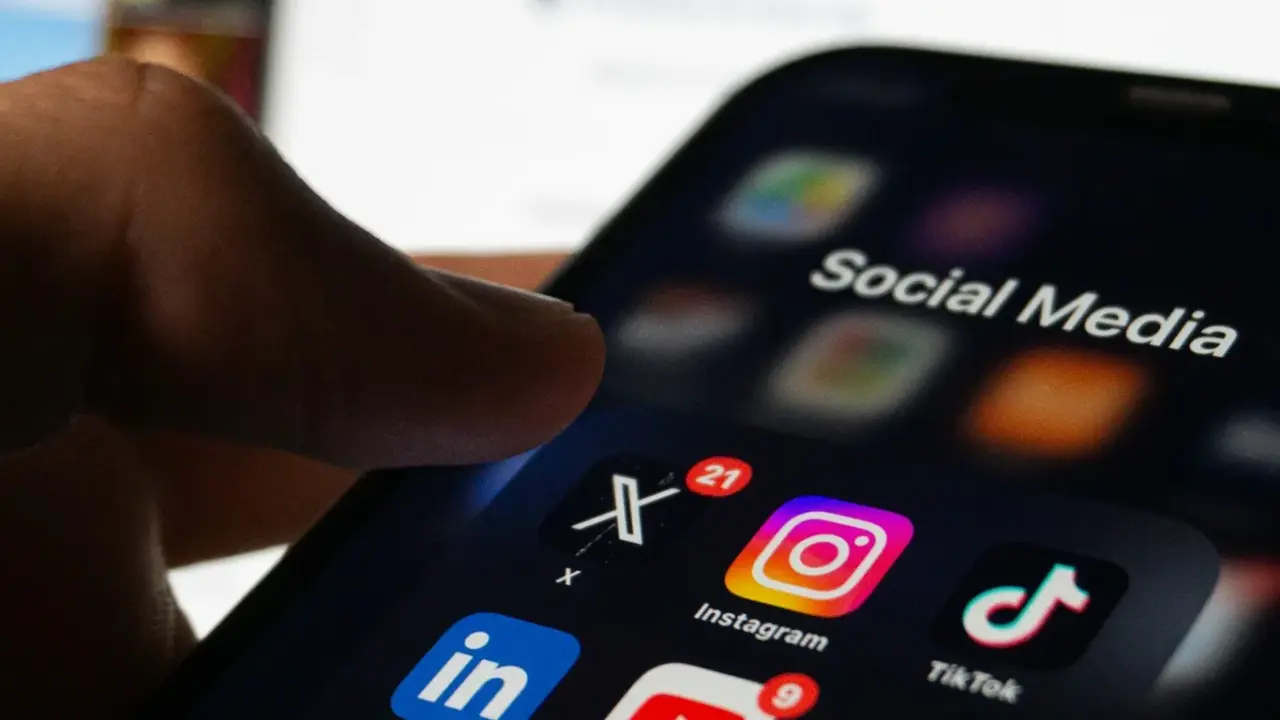
Britain is starting a new pilot program to test social media bans, digital curfews, and app time limits for teenagers. The government wants to see if stricter rules on children’s online access are needed.
In this trial, hundreds of families will take part to help measure how these restrictions affect sleep, schoolwork, and family life.
Reuters reported that these measures will be tested in the homes of 300 teenagers. The government says the data collected will help guide a wider consultation that began earlier this month.
The proposed rules include full social media bans, overnight curfews, and daily app limits, showing that British officials are taking the impact of smartphones and online platforms on children more seriously.
Government says nothing is off the table
This pilot comes as Britain thinks about whether to follow Australia’s ban on social media for under-16s, which the government is still considering.
The government has made it clear that nothing is off the table, including a full ban for younger users, as ministers look at what actions would work best and be possible to put in place.
Technology Secretary Liz Kendall described the trial as part of a bigger effort to improve how children interact with the digital world.
Reuters quoted her saying, We are determined to give young people the childhood they deserve and to prepare them for the future, and that the pilots would give “the evidence we need to take the next steps, informed by the experiences of families themselves.”
Focusing on evidence is important because the debate is moving faster than the research.
Experts say there is no clear evidence that a full ban would work, even though the public is pushing for stronger action against addictive platform design and too much screen time.
Teenagers are not all convinced
Not all young people support these new policies.
BBC reported that a group of teenagers in London were against stricter rules. This shows a common issue in digital policy: adults often see limits as protection, but many young people see them as punishment or going too far.
That divide may shape how the trial is judged. If the restrictions improve sleep patterns, concentration, or family relationships, ministers will gain stronger evidence for tougher regulation.
If the pilot produces only frustration or workarounds, the government could face harder questions about whether bans are more symbolic than effective. The measures are being tested precisely to understand their real-world impact before permanent decisions are made.
A wider battle over children’s digital lives
The British trial is part of a bigger international trend. Governments are facing more pressure to address the effects of social media and smartphones on young people, especially as worries grow about sleep problems, compulsive use, online risks, and distractions from school.
Britain, like other countries, is now openly thinking about stricter limits on when and how children can use social media.
This policy test could have effects beyond the UK. If the pilot shows clear benefits, Britain might move toward curfews, stricter time limits, or even a social media ban for some ages.
If not, the results could support focusing less on strict rules and more on holding platforms responsible.
For now, the government’s message is clear: treating children’s online lives as just a family matter may be ending, and the state is getting ready to step in more directly.