
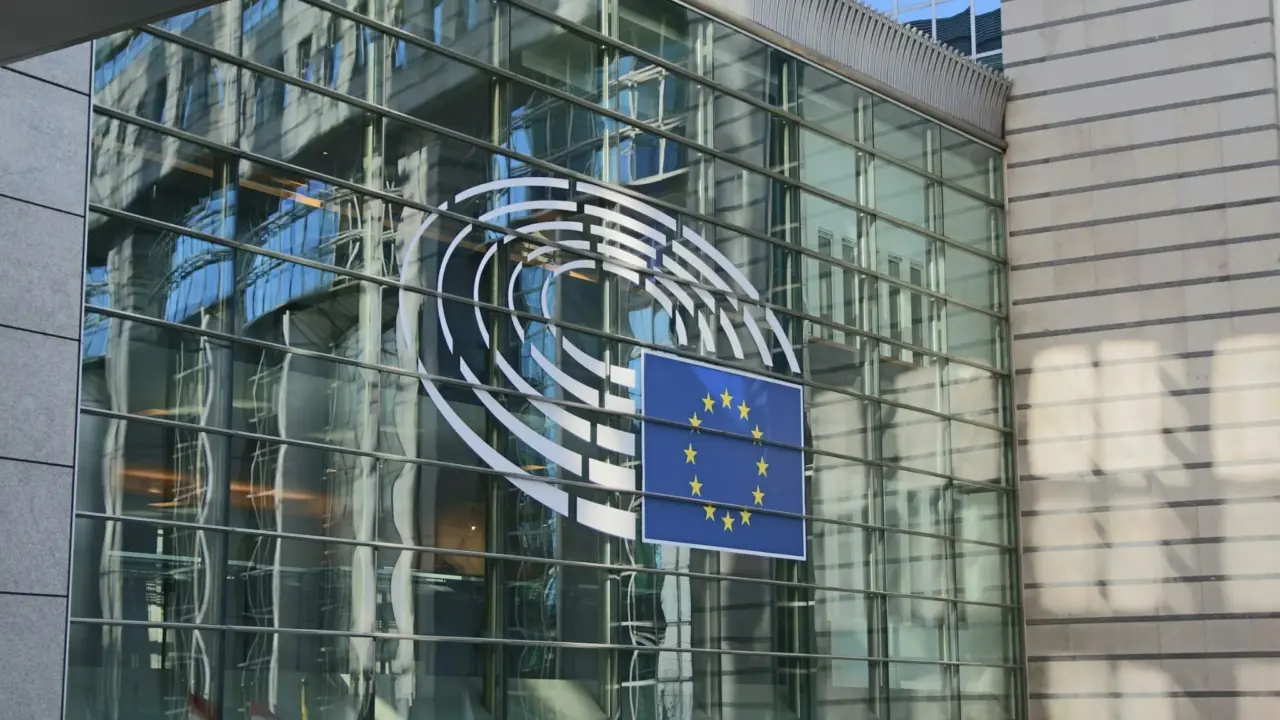
The European Commission is urging member states to speed up the launch of a new age-verification app. They want the tool available across the EU by the end of 2026 to help protect minors online. Brussels asked governments on Wednesday to act quickly, describing the app as a practical way to keep children away from harmful content and to better enforce the EU’s digital rules.
Privacy-Preserving Checks Are Central to the Plan
The proposal stands out because the Commission is trying to balance child protection with privacy.
Reuters reported that the final plan would let users prove they meet an age requirement without revealing their exact age, identity or any other personal details.
EU tech chief Henna Virkkunen said the system should allow people to browse “in full privacy” while ensuring children are not exposed to content “not meant for them.”
Earlier this month, the Commission said the app was technically ready to launch.
DW reported that Brussels described it as an age-verification tool that can be set up with a passport or ID card, works on any device, and is fully open source. This design should make it easier for governments to use or adapt the app.
National Governments Will Have to Carry It Forward
The next step is up to EU member states. Each country will create its own national age-verification solution based on the Commission’s blueprint. The system can work as a separate app or be included in the EU’s broader digital-identity wallet plans, which member states must provide by the end of the year.
This means the Commission is not creating one mandatory app for all of Europe. Instead, it is offering a common model that each country can use with its own digital-identity system. Some countries are already planning to add the age-checking technology to their national digital ID systems.
Commission President Ursula von der Leyen called on more governments and private-sector players to back the effort, according to the Commission’s own statement. The message from Brussels is clear: the legal framework is already tightening, and the technical infrastructure now needs to catch up.
A Wider Crackdown on Platforms Is Already Underway
The push for age verification is happening at the same time as wider enforcement against big tech platforms. Online companies must already protect minors’ privacy and safety under EU rules. It also reported that earlier on Wednesday, Facebook and Instagram were charged with breaking the Digital Services Act for not stopping children under 13 from using their services.
Earlier concerns from the Commission about TikTok. In February, Brussels said the platform’s “addictive design” seemed to break the same law. These actions show that the EU sees age verification as part of a bigger effort to make platforms do more to protect children, not just a technical test.
Why Brussels Sees the App as Urgent
The urgency behind the proposal reflects a bigger political shift in Europe’s digital agenda. The Commission’s own statement said the age-verification project is designed to “protect children and hold online platforms accountable,” adding that children’s safety should come before “commercial interests.”
That framing matters because it shows how Brussels wants to reposition the debate. The issue is no longer just whether companies can build profitable online services while promising basic safeguards. The Commission is increasingly demanding technical systems that verify age in a way regulators can trust, while still limiting the exposure of personal information.
For EU officials, the challenge is twofold: stop minors from reaching age-inappropriate or harmful content, and do it without creating a surveillance-heavy system that forces users to hand over more data than necessary.
The Hard Part Will Be Implementation
The political message is clear, but putting the plan into action is the real test. Brussels has created the blueprint and increased the pressure, but the app’s success depends on how quickly and well member states build and launch their own versions. If governments act quickly, this could become one of the EU’s most visible efforts to combine privacy-friendly identity checks with online child safety.
If governments move slowly, the EU could end up with strict rules that are not enforced in practice. That is why the Commission’s latest push is about more than just launching an app. It is about making sure Europe’s child-safety goals are actually seen and felt by users, platforms, and regulators in the real digital world.