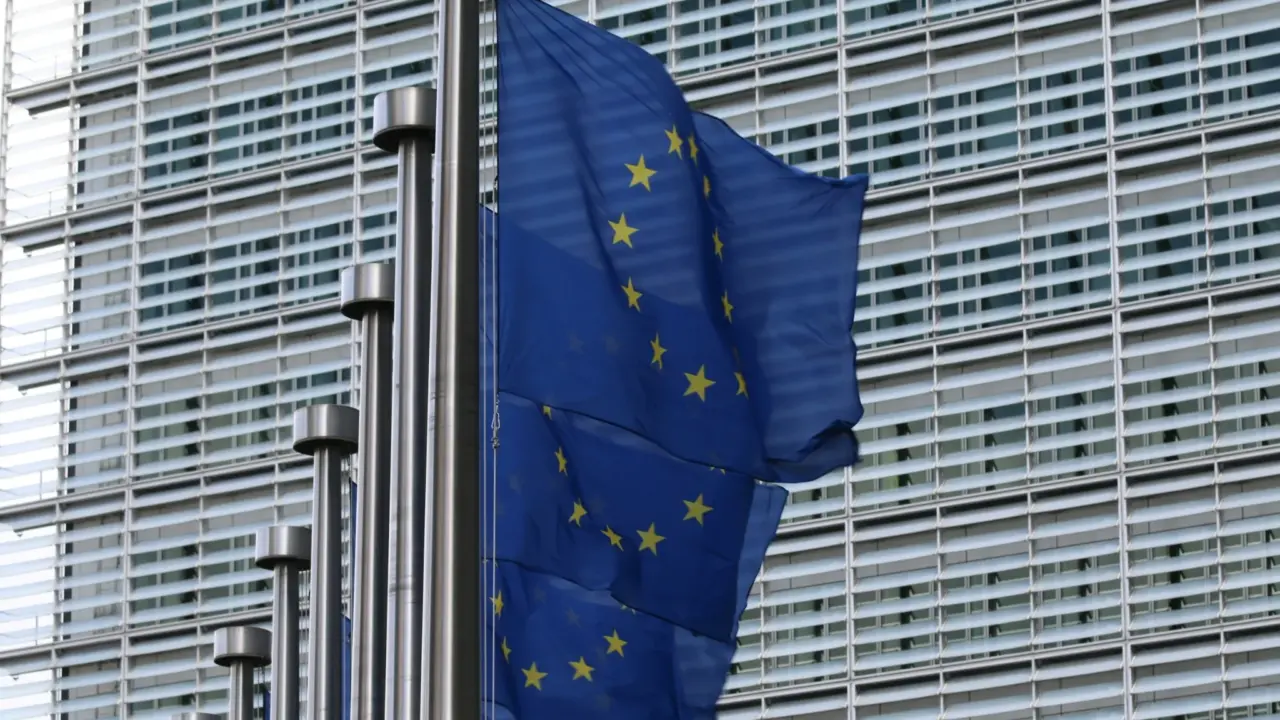
Apple CEO Tim Cook and European Union technology chief Henna Virkkunen have held what officials described as “constructive” talks, as both sides try to manage a growing clash over the delayed rollout of Apple’s upgraded Siri AI in Europe.
Virkkunen held “constructive” talks with Cook this week after Apple and EU regulators clashed over the rollout of Siri AI in Europe.
EU Confirms Talks, but Work Continues
The European Commission confirmed that the call took place but did not announce a breakthrough.
Reuters quoted an EU spokesperson as saying the call between EVP Virkkunen and Tim Cook was a “constructive exchange on topics of common interest,” and that “the work continues”.
The discussion followed weeks of tension over whether Apple can launch its reinvented Siri in Europe without violating the EU’s Digital Markets Act.
The Financial Times reported that the meeting included discussion of how Apple can launch its reinvented Siri in Europe while avoiding millions of dollars in fines.
Siri AI Still Delayed for EU Users
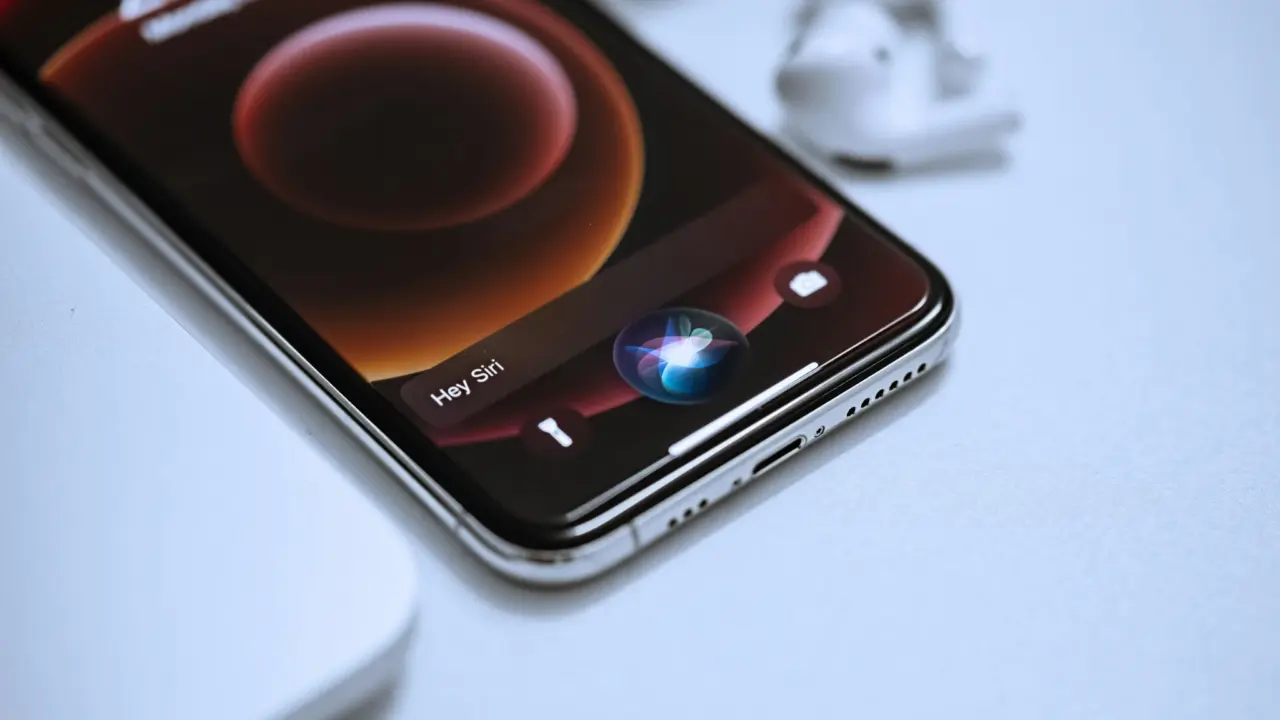
The dispute matters because Apple’s upgraded Siri AI is not expected to arrive in Europe at the same time as in other markets.
MacRumors reported that Siri AI will be free with iOS 27 and iPadOS 27 in September, but the enhanced chatbot-style Siri will not be available in the EU until Apple finds a path under the bloc’s regulatory framework.
The missing EU features could be significant. The delayed Siri AI package includes a new Siri app for revisiting conversations, expanded Visual Intelligence capabilities, integrated writing tools and Siri mode in the Camera app on iPhone.
DMA Interoperability Is the Core Fight
At the center of the dispute is interoperability under the Digital Markets Act. The Commission blamed Apple, saying the company had been unable to develop “interoperability” to meet EU standards. The DMA requires Apple to give rival AI assistants access to the same underlying iPhone capabilities as Siri, with appropriate user consent.
Apple proposed a technical fix, but EU officials were not convinced. Apple came up with a “Trusted System Agent,” an intermediary software layer meant to let third-party assistants securely access the same system capabilities as Siri AI on EU devices. An EU official said Apple’s Trusted System Agent proposal lacked a concrete proposal or details beyond the general concept.
Apple and Brussels Trade Blame
Apple has framed the delay as a privacy and security issue, while Brussels has framed it as a compliance issue. Apple has said Europe’s Digital Markets Act forced it to postpone several EU features, including iPhone mirroring to Mac, live translation with AirPods and location-based features in Maps. Apple said EU regulators did not accept its proposed solutions to bring Siri AI to the EU while safely supporting other virtual assistants.
EU officials pushed back strongly. Regulators said the decision not to launch Siri AI in the bloc was entirely Apple’s and that the company sought an exemption rather than a compliant solution. European Commission officials described Apple’s request to delay compliance as an unacceptable “regulatory holiday” that could harm competitors.
Europe Is Too Important to Ignore
Europe is a major market for Apple, making the standoff commercially important. Europe accounted for nearly 27% of Apple’s total sales in its last fiscal year, although Apple does not break out sales for the EU. DMA breaches can lead to fines of as much as 10% of a company’s global annual turnover.
The political pressure is also growing. The dispute triggered a public backlash, with EU officials receiving hundreds of emails from consumers accusing Brussels of depriving Europeans of new technology.
The talks show that Apple and the EU are still negotiating, but the core issue remains unresolved: how to give rival AI assistants fair access to iPhone capabilities without weakening Apple’s claims around privacy, security and product control.