A $400 purchase is still a $400 purchase whether it is paid immediately or divided into four installments of $100.
Psychologically, however, those prices may not feel the same.
Buy Now, Pay Later, or BNPL, has turned installment financing into a standard feature of digital checkout. Unlike traditional credit, the most familiar version typically breaks a purchase into four payments, often without interest. The technology looks straightforward. But research increasingly suggests that the way these payments are displayed can change how expensive consumers perceive a product to be—and, in turn, whether they decide to buy it.
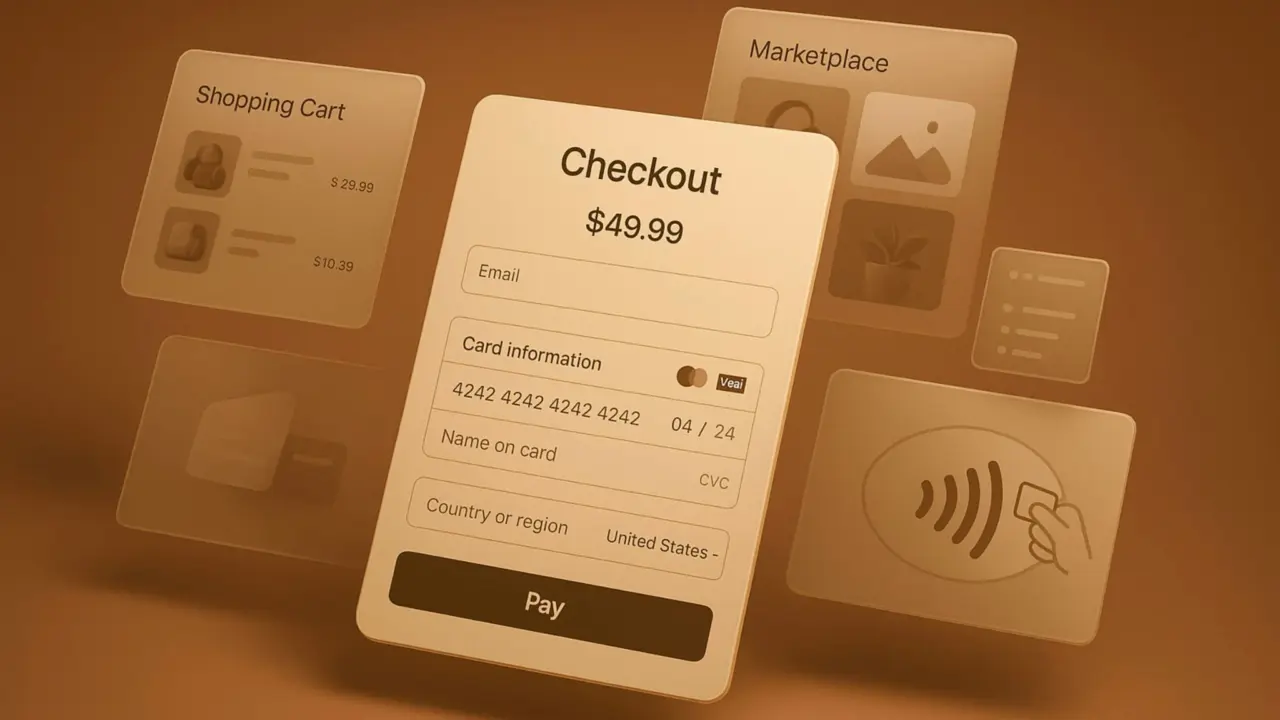
That makes BNPL more than a financing product. It is also a form of choice architecture embedded directly into the checkout interface.
Why four smaller payments feel different
A 2025 study in the Journal of Retailing found that BNPL increased consumer spending even when compared with credit cards. The researchers combined transaction data with experiments to examine not just whether BNPL changed spending, but why.
Their central finding was about presentation.
Showing consumers an installment price—such as four payments of $25 instead of a single $100 price—lowered the perceived expensiveness of the purchase and increased spending. The same installment-price presentation did not produce the same spending effect when attached to other payment methods.
The researchers also found that more installments and a smaller first installment further increased BNPL spending.
The total price never changed.
What changed was the number that became most psychologically prominent.
That distinction matters for product teams. A checkout screen showing “$400” asks shoppers to evaluate a $400 sacrifice. A prominent “4 × $100” display can shift attention toward a smaller immediate amount even though the consumer ultimately owes the same total.
The interface has not lowered the price. It has changed how the price is mentally represented.
Paying has an emotional cost
Behavioral economics has long described a phenomenon called the pain of paying: spending money can produce an unpleasant emotional response that becomes stronger as the perceived cost rises.
Recent neuroscience provides additional evidence that this effect is more than a metaphor.
An open-access 2026 study in the Journal of Economic Behavior & Organization found that monetary payment decisions activated affective pain-processing circuitry. In an fMRI study, activity in the anterior insula—an area associated with affective processing—rose with price magnitude. Importantly, the researchers distinguished this response from the neural activity associated with physical pain.
Other payment research points in the same direction. A large Dutch consumer study found that electronic payments generally produced less perceived pain of paying than cash, while cash was perceived as more helpful for preventing overspending.
BNPL adds another layer of separation.
The shopper receives the product now, while part of the financial cost arrives later. Dividing the payment also means the full amount does not necessarily appear as the most salient number at the moment of decision.
That separation between immediate reward and distributed cost helps explain why installment framing can make an expensive item feel easier to absorb.
BNPL changes the decision before debt even begins
The behavioral effect appears before anyone misses a payment.
A 2026 study in the Journal of Retailing and Consumer Services conducted seven experiments involving 1,708 participants to examine how BNPL availability affects consumer choice.
The researchers found that merely making BNPL available reduced purchase abandonment and shifted consumers away from paying immediately, particularly when the deferred option carried no surcharge.
They describe BNPL as a dual pricing mechanism.
Instead of deciding simply between “buy this” and “do not buy this,” consumers can find themselves comparing two ways of paying for the same product: the full immediate price and the deferred installment price.
That changes the reference point.
The relevant comparison may become “$400 now versus $100 now” rather than “Is this product worth $400?”
The study also identified deal perception as an important mechanism. Adding a deferred-payment option can make the transaction itself appear more attractive even though the underlying product and total purchase price have not necessarily improved.
For ecommerce companies, that helps explain why BNPL can increase conversion.
For consumers, it shows why financing design cannot be separated cleanly from merchandising design.
The effect becomes more complicated across multiple purchases
One installment plan may appear manageable. Several overlapping plans are harder to evaluate mentally because each purchase can be framed around its own relatively small installment.
That matters because BNPL is no longer a marginal payment tool.
The U.S. Consumer Financial Protection Bureau reported that six large providers originated 335.8 million BNPL loans worth $45.2 billion in 2023, based on inflation-adjusted figures. Those companies reported 53.6 million consumers using at least one BNPL loan that year.
Among users at a given lender, the average number of annual loans rose from 5.7 in 2022 to 6.3 loans in 2023, while average annual borrowing increased from $745 to $848 after adjusting for inflation. The CFPB cautions that its aggregated data cannot fully identify consumers using multiple providers, so some user totals may be overstated while total borrowing per individual may be understated.
This creates a behavioral accounting problem.
A shopper may evaluate four different purchases as four manageable installment amounts even though all of those payments eventually compete for the same income.
The psychological unit becomes the installment. The financial reality remains the combined obligation.
Social commerce can amplify the effect
BNPL also increasingly exists inside a wider digital purchasing environment rather than as an isolated checkout feature.
A 2026 open-access study in Finance Research Letters used nationally representative U.S. household data from more than 7,000 respondents and found that BNPL use and social-media shopping exposure were independently associated with greater financial stress.
The researchers reported that simultaneous exposure to both was associated with stronger effects, particularly for unsecured debt. They interpret the findings through a combination of deferred payment, algorithmic purchasing cues and reduced financial self-regulation.
That result should not be read as proof that a checkout button alone causes financial distress. The study uses observational household data alongside matching and econometric techniques, and consumers who choose BNPL may already differ from those who do not.
But it highlights the environment in which installment financing now operates.
A person can encounter a product through an algorithmic recommendation, purchase it without leaving the platform, and encounter a payment interface that emphasizes the smallest immediate installment—all within minutes.
The purchasing funnel is becoming increasingly frictionless at exactly the same time that the financial cost is becoming increasingly divisible.
Checkout design is becoming behavioral design
BNPL demonstrates why financial technology cannot be evaluated only through interest rates and late fees.
Interface choices matter too.
Which price appears largest? Is the total repayment equally prominent? How many installments are shown? Does the interface emphasize what is due today or what the purchase costs altogether? How easy is it to see obligations from other purchases?
These are product-design decisions, but behavioral research shows they can also become financial decisions.
There are legitimate reasons consumers may prefer installment payments. BNPL can help manage timing mismatches between income and expenses, and a zero-interest installment plan can be cheaper than carrying interest-bearing credit-card debt.
The behavioral concern is narrower but important: a financing tool can alter perceptions of affordability before its conventional credit risks even appear.
A $400 product does not become cheaper because the checkout button says four payments of $100.
But if the interface makes the $100 installment feel like the relevant price, the purchase can begin to feel cheaper anyway.
For builders of ecommerce and fintech products, that may be BNPL’s most consequential design lesson: how software displays the cost of something can influence whether people experience that cost as expensive in the first place.