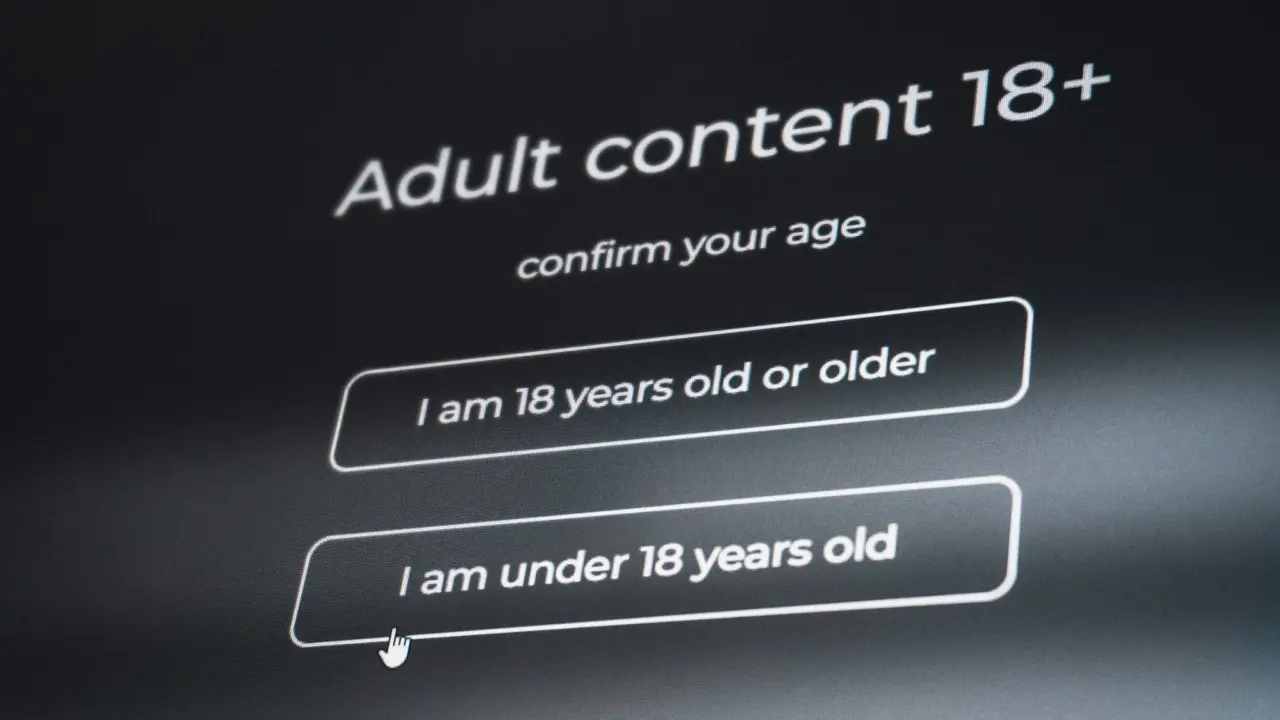
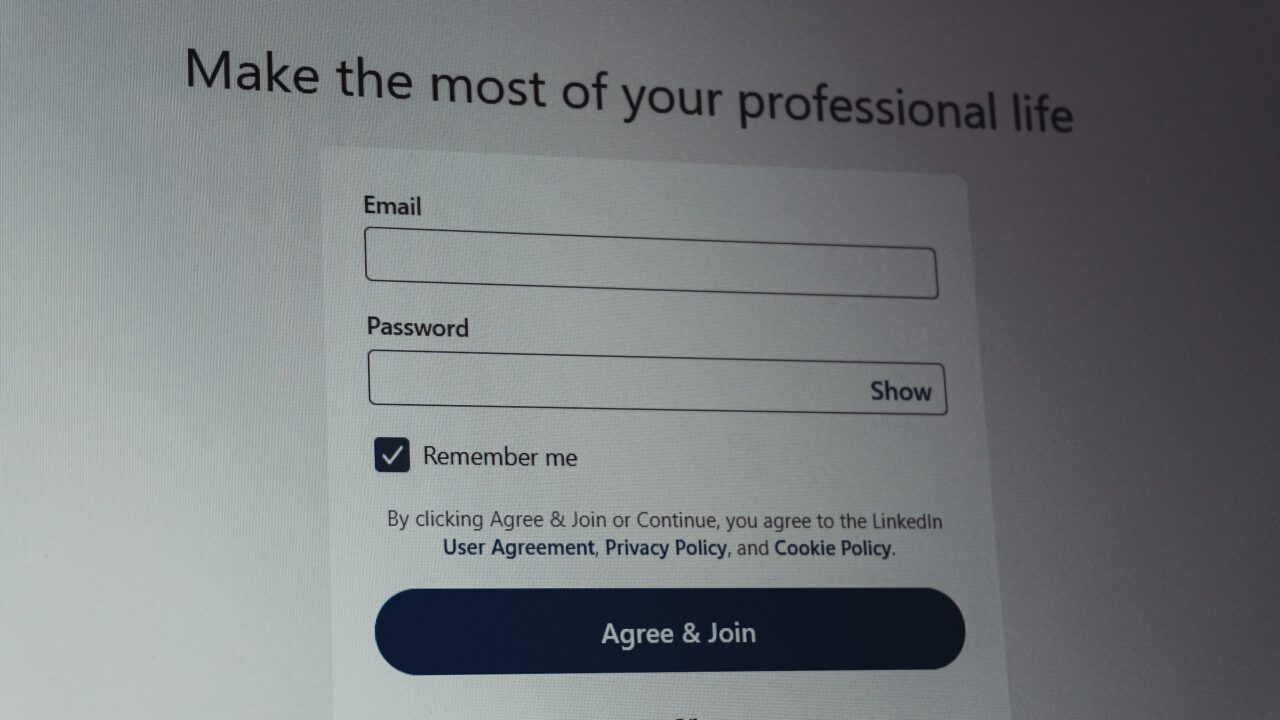
Clicking “Agree” feels like a small step.
Most of the time, it’s just a quick tap or checking a box as you go about your day. But that simple action can have big effects: it might create a contract, allow your data to be processed, bind you to rules you haven’t seen, or send disputes away from public courts into private systems.
The main problem isn’t just that companies “hide things in the fine print.” It’s that digital services use consent processes that are quick, standardized, and much easier to accept than to really understand.
Many people think clicking “Agree” always means the same thing, but it doesn’t. Sometimes you’re agreeing to a platform’s rules, other times you’re saying yes to how your data will be used, or accepting extra terms about things like dispute resolution or automatic renewals.
The tricky part is that all these things are often bundled into one screen and one button.
So, a single click can have a lot of legal and practical weight.
The first thing that happens: your click can help form a contract
In contract law, clicking “Agree” is usually seen as a way of showing you accept the terms.
Nancy Kim, in her paper Clicking and Cringing, explains that shrinkwrap, clickwrap, and browsewrap agreements have “complicated contract law” by creating new ways to make contracts.
Courts have often accepted these digital agreements as valid, even in “rolling contract” situations. Simply put, courts are often willing to treat clicking “Agree” as a real agreement, even though it looks very different from signing a paper contract.
But Kim also warns that agreeing to a transaction shouldn’t mean you automatically accept every term in a contract you didn’t negotiate.
She points out the difference between actually agreeing and just being presumed to agree, and says users shouldn’t be assumed to accept every term—especially those that create new obligations or “purport to take away the licensee’s legal rights.”
This matters because the legal question isn’t just whether you clicked a button, but whether you truly agreed to all the terms hidden behind it.
So, when you click “Agree,” the company can more easily claim you accepted the deal. The harder question is what was actually included in that deal, and whether every term should be treated equally.
The second thing that happens: you often accept rules for how the service works
A lot of terms and conditions aren’t about lawsuits or selling your data. They set the rules for using the service—like what you can upload, what behavior might get you suspended, and what happens if the company changes something.
Kim’s paper says it’s reasonable for users to be seen as agreeing to these “scope of license” or “terms of use” rules, since they define how the service is offered. Basically, if a company says you can use the service only under certain rules, courts are usually okay with treating those rules as part of the deal.
So, clicking “Agree” usually sets the basic rules for using the service before anything major happens. It lets the company say you accepted the conditions for access.
For users, this can affect what happens to your uploads, whether scraping is allowed, if your account can be closed for certain actions, or how features might change over time.
These terms might not seem important at first, but they shape your relationship with the platform later.
The third thing that happens: your data may be processed under rules you barely noticed
This is where many people confuse agreeing to a contract with giving valid privacy consent. These are not the same thing.
Under Article 7 of the GDPR, if processing is based on consent, the controller must be able to demonstrate that the person consented, and if consent is requested in a written declaration that also concerns other matters, the consent request must be “clearly distinguishable,” “intelligible,” and “easily accessible,” using “clear and plain language.”
The same article says it must be “as easy to withdraw as to give consent,” and warns against making service access conditional on consent to processing that is not necessary for the contract.
The UK Information Commissioner’s Office says something even plainer in its guidance on valid consent: consent must be “freely given, specific, informed and unambiguous.”
The ICO adds that consent should be unbundled from other terms and conditions wherever possible, and says people must have “genuine choice and control” over how their data is used. It also states that “silence, pre-ticked boxes or inactivity” do not constitute consent.
That matters because many real-world consent experiences still blur together service access, marketing permissions, analytics collection, and data-sharing language in ways that feel far from genuinely free or specific.
So, when you click “Agree,” the company might get permission to use some of your data. But whether that permission is truly valid depends on the legal basis and how the request was presented to you.
Even if the button looks simple, there can still be hard questions about whether your consent was informed, separate from other things, or even necessary.
The fourth thing that happens: design may push you toward acceptance before understanding
One reason the “Agree” button is so powerful isn’t just because of the law. It’s also about how interfaces are designed.
The FTC’s report Bringing Dark Patterns to Light describes “dark patterns” as design tricks that can “trick or trap consumers into choices they would not otherwise have made.”
The FTC explains that digital interfaces can push people using confusing defaults, repeated prompts, hidden details, and hard-to-find cancellation options. In other words, the design around “Agree” isn’t neutral. It’s built to get you to accept with as little resistance as possible.
This means that what happens when you click “Agree” is shaped before you even make a choice. If the reject button is hard to find, privacy details are mixed in, the “Agree” button stands out, and saying no is a hassle or causes delays, your “choice” is technically there but not really fair.
That’s why regulators are looking more closely at how people are led to accept terms, not just what the contract says. Online, pressure often feels more like convenience than force.
Why almost nobody reads the terms
The most famous answer is time.
In The Cost of Reading Privacy Policies, Aleecia McDonald and Lorrie Cranor argue that “the time to read privacy policies is, in and of itself, a form of payment.”
Their estimates are still startling: at their point estimate, a person would need 244 hours per year to read the privacy policies for the sites they visit, while nationally Americans would spend about 54 billion hours doing so.
They also write that this comes out to about 40 minutes a day, slightly more than half of the estimated 72 minutes per day people then spent using the internet.
That study matters because it shifts the focus from blaming people to looking at the bigger economic problem.
The issue isn’t just laziness; there’s simply too much to read. If reading all the policies would take hundreds of hours a year, then the notice-and-consent system asks for more time than most people have.
So, the system isn’t really about informed choices. It’s about people giving up because reading takes too long.
Clicking “Agree” usually means the cost of reading is just too high.
That’s why terms and conditions are often called a ritual. They seem to give you information, but in reality, they depend on most people not being able to review them in any meaningful way.
Sometimes you also accept terms that limit how disputes are handled
Not every terms screen includes the same legal provisions, and the details vary across jurisdictions and sectors.
But in some consumer contexts, contracts may include waivers, arbitration clauses, or other limits on how disputes are pursued.
The CFPB’s Consumer Financial Protection Circular 2024-03 warns that including certain unlawful or unenforceable terms in consumer contracts may itself violate the prohibition on deceptive acts or practices.
It says terms that “purport to waive consumer rights” can mislead people into thinking they gave up rights they legally still have.
The CFPB is explicit that “including an unenforceable material term in a consumer contract is deceptive, because it misleads consumers into believing the contract term is enforceable.”
This doesn’t mean that every arbitration clause or waiver in every app contract is automatically invalid.
But it does mean that when you click “Agree,” you might be entering a dispute process you haven’t reviewed, and in some cases, regulators warn that some rights-waiving terms can be misleading or even illegal.
The bigger point is that agreeing to terms can have effects beyond just using the service. Sometimes, it affects what happens if things go wrong later.
So what really happens when you click “Agree”?
A lot happens at once.
You might help form a contract. You might accept rules about how the service works. You might allow some types of data processing. You might be nudged by a tricky interface instead of making a fully balanced choice. And depending on the service, you might also accept terms that affect how disputes are handled or what rights the company claims over your actions, content, or options.
What often doesn’t happen is real understanding.
That’s the uncomfortable truth at the heart of this issue.
The modern terms-and-conditions model often treats legal validity and human understanding as if they are the same. But research and regulatory guidance say otherwise. Kim’s work shows that not every hidden term deserves the same assumption of agreement.
The GDPR and ICO guidance show that valid consent must be specific, informed, and separate from unrelated matters. The FTC’s work on dark patterns shows that interface design can influence what seems like a free choice.
McDonald and Cranor show that the time cost of reading policies is so high that the whole system is hard to believe. And the CFPB warns that some rights-waiving terms may mislead people just by being in the contract.
The real lesson
Clicking “Agree” does matter. It isn’t meaningless. But it shouldn’t be seen as proof that a fair, informed agreement has happened.
Most of the time, it means you accepted because the service is useful, the design is built for speed, reading everything is unrealistic, and the alternative is hassle.
The best way to describe the modern “Agree” button is this: it’s where law, interface design, data collection, and everyday impatience all come together. That’s why the issue is bigger than just personal responsibility.
It’s about whether digital markets should keep using forms of agreement that are technically valid, efficient for business, and easy to predict—even when almost no one really reads what they’re agreeing to.