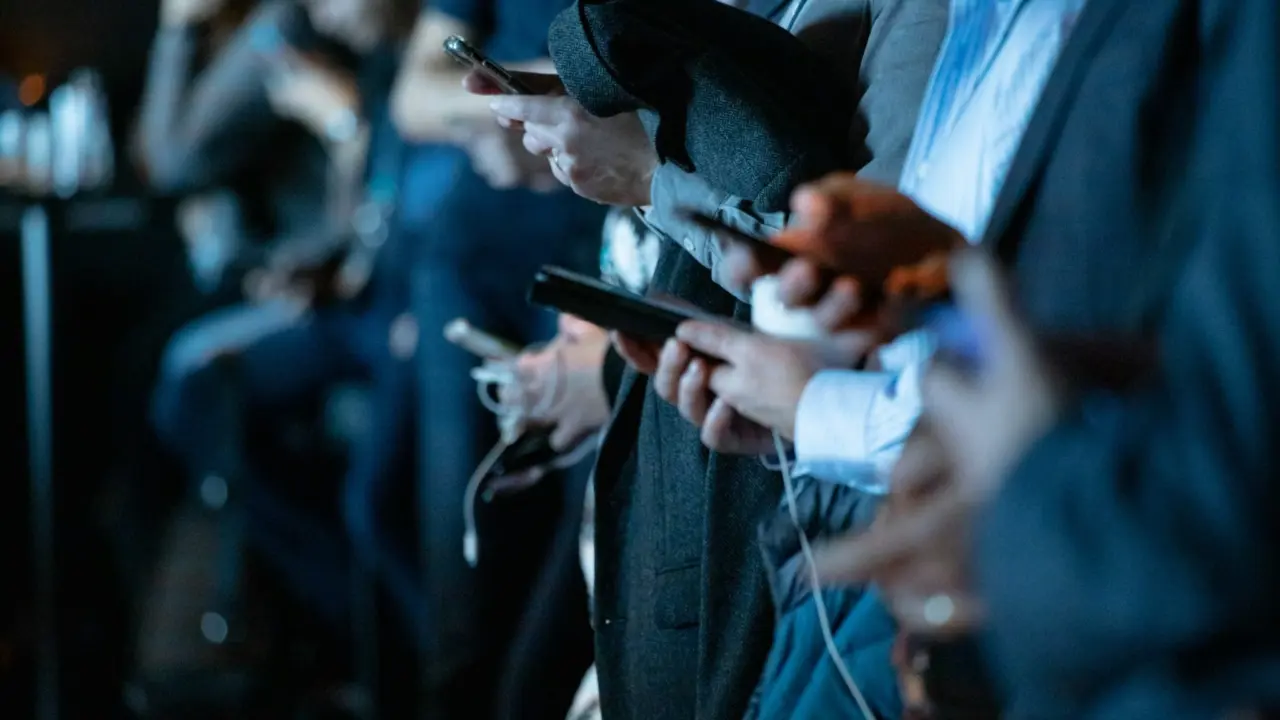
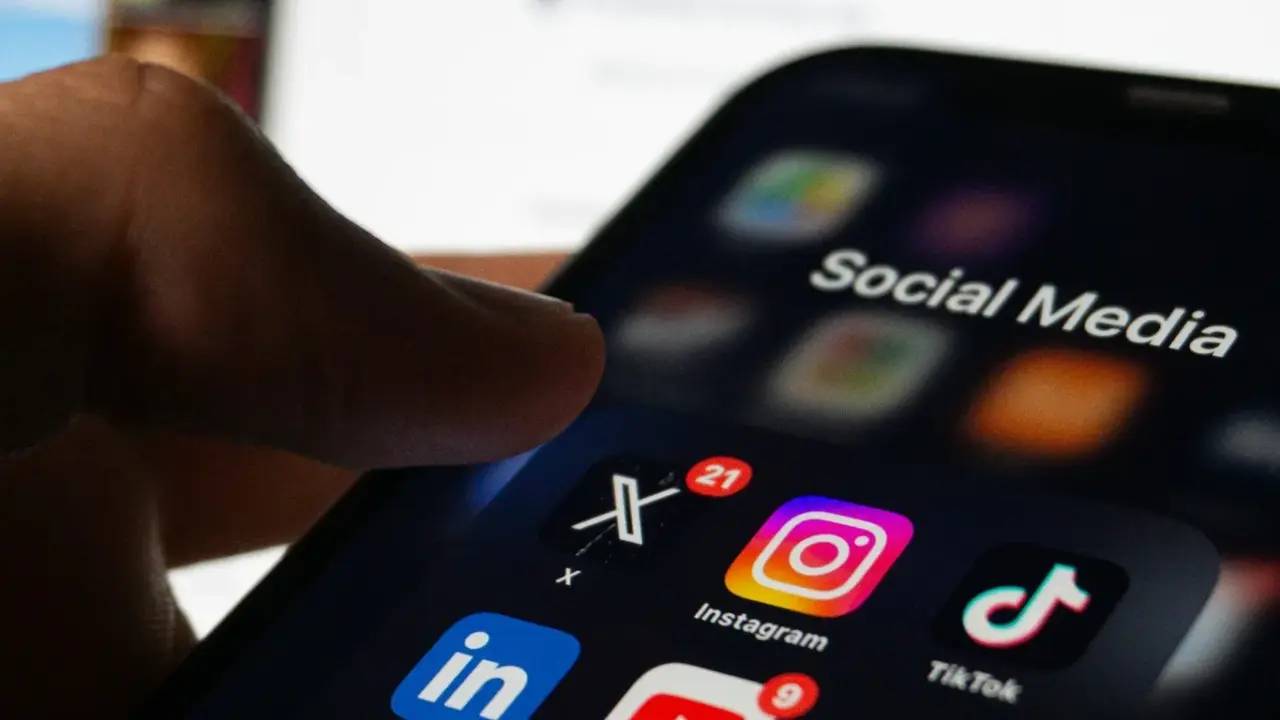
Going “private” on social media can feel like locking the door. You change a setting, your account is no longer fully public, and it seems like only people you choose can see your posts.
That feeling is partly right, but not completely. In reality, going private mostly changes who can easily see your content. It does not change what the platform knows about you, what approved followers can do with your posts, or what was already public before you switched.
The truth is that private mode helps control who sees your posts, but it does not make you disappear.
The difference between how “private” feels and what it really does has been studied for years.
Researchers Alice Marwick and danah boyd say that social platforms often use technical models of privacy that presume individual information control, but real privacy online depends on other people, platform design, and context.
They explain that users often want to be in public without always being public. This idea helps explain private mode: it lets you limit your exposure, but it does not give you complete control over what happens next.
What private mode usually does
On most major platforms, going private mainly changes who can see what you post.
X says that if you protect your posts, they are only visible to your X followers.
You will get requests from new people who want to follow you, and you can choose to approve or deny them. Protected posts will not show up in search engines like Google, and on X, only you and your followers can search for them.
This offers real protection by making it harder for strangers to find your account through public search.
TikTok explains private mode in a similar way. Its support page says that with a private account, you can approve or deny follower requests, and only approved followers can see your videos, LIVE videos, bio, likes, and follower lists.
In short, private mode limits your audience and gives you more control over who sees your content.
This is why going private often feels immediately different. You are no longer speaking into a fully open environment. You are speaking into a smaller room.
What private mode does not do
It is just as important to know what private mode does not do.
First, it does not make the platform itself blind to your activity. X’s own data-processing explanation says the company processes “basic account information,” “public information,” “contact information,” “Direct Messages and other non-public communications,” plus “location information,” “interactions with links,” “cookie data,” and “log data” for operating the service, recommendations, ranking, analytics, advertiser products, and support.
That is a reminder that audience privacy and platform data processing are not the same thing. You may be less visible to strangers while still being fully legible to the platform.
TikTok makes a similar point from another angle. Its support page says that even when device Location Services are unavailable or turned off, the app can still estimate “approximate location information” from network data such as your SIM region, IP address, and system settings.
It also says that location information is used to “recommend relevant content” and “recommend ads that may be relevant to you.” So even if your account is private, the platform can still infer things about where you are and use that information inside its recommendation and advertising systems.
This is one of the biggest misunderstandings about private mode: it changes who can see your posts, but not what the platform itself can observe.
Your followers are still part of the risk
Private mode also does not eliminate resharing.
X is unusually direct about this. Its help page warns that even though protected posts are visible only to followers, your followers “may still capture images of your posts and share them.”
It also says followers may download or re-share links to media from protected posts, and that media links themselves “are not protected.” Anyone with the link can still view the content.
This is where social reality is more important than settings. Marwick and boyd’s research on networked privacy shows that online privacy is not just about individual choices, because other people are always involved.
Your posts are part of your relationships, not just your settings. Going private means fewer people can copy, screenshot, or share your content, but it does not remove that risk completely. The risk is smaller and more limited, but it is not gone.
This is why private mode works best when you carefully choose your followers and keep realistic expectations. It helps set boundaries, but it does not guarantee complete privacy.
Private mode helps with context collapse — but does not solve it
One big reason people go private is not just fear of strangers. It is feeling overwhelmed by too many different audiences at the same time.
Marwick and boyd describe social media as collapsing multiple audiences into single contexts, making it harder for people to tailor behavior the way they do offline.
Their work on the “imagined audience” shows that users often post as if they are addressing one particular group, even though the real audience is broader, mixed, and harder to know. Private mode helps because it shrinks that audience and makes it feel more predictable.
But private mode does not make your audience simple. Your approved followers might still include family, classmates, coworkers, clients, old friends, and others who know you in different ways.
This means you can still face mixed expectations in one place. Private mode helps with this problem, but it does not solve it completely.
It may also change reach and visibility
The tradeoff is clear: when you have more control, your account is usually less discoverable.
X says protected posts do not appear in public search engines, and followers cannot use the repost icon on protected posts. That means private mode limits circulation by design.
TikTok’s private-account structure similarly narrows who can see and engage with content. If you want growth, brand reach, or broad discovery, going private works against those goals. If you want smaller, more intentional sharing, that is exactly the point.
This is why private mode can feel both safe and limiting. You control your audience, but you are less part of the platform’s wider sharing system.
It may not fully erase your public past
Another thing many users miss: switching to private does not perfectly rewind history.
X says that if your posts were public before you protected them, those posts will no longer be public on X or appear in public X search results.
But it also notes that posts sent before the change “may still be seen by someone who had the post on their Home timeline before the change,” and that X cannot remove content from websites other than X.com.
So private mode can narrow future visibility, but it cannot guarantee that old exposure disappears everywhere.
That is an important distinction. Private mode is strongest as a forward-looking control. It is weaker as a full eraser of what already circulated.
So what really happens?
When you switch to private, several helpful things happen. Your audience gets smaller. New followers usually need your approval. Your posts are less visible in searches. Some public sharing features are limited. For many people, this makes posting feel more manageable and less exposed.
But several things do not happen. The platform does not stop processing your data. Approved followers do not become perfectly trustworthy. Screenshots and resharing remain possible.
Mixed audiences still exist. And prior public exposure may not vanish completely.
So the simplest answer is this: going private changes who can easily see your posts, but you are still part of a platform built for sharing and visibility.
It is often a good choice, but it does not make you invisible.