
China has blocked Meta from acquiring the AI startup Manus, ending a deal valued at more than $2 billion.
China’s National Development and Reform Commission made this decision to prevent important AI talent and technology from leaving for the U.S. This action is part of the ongoing rivalry between China and the U.S. over advanced technology.
Beijing moves to keep AI assets under tighter control
This move shows that China now views advanced AI as a crucial national security asset.
Reuters noted that the NDRC’s decision highlights Beijing’s determination to prevent U.S. companies from acquiring Chinese AI talent and technology, especially as the U.S. continues to restrict China’s access to advanced chips through export controls.
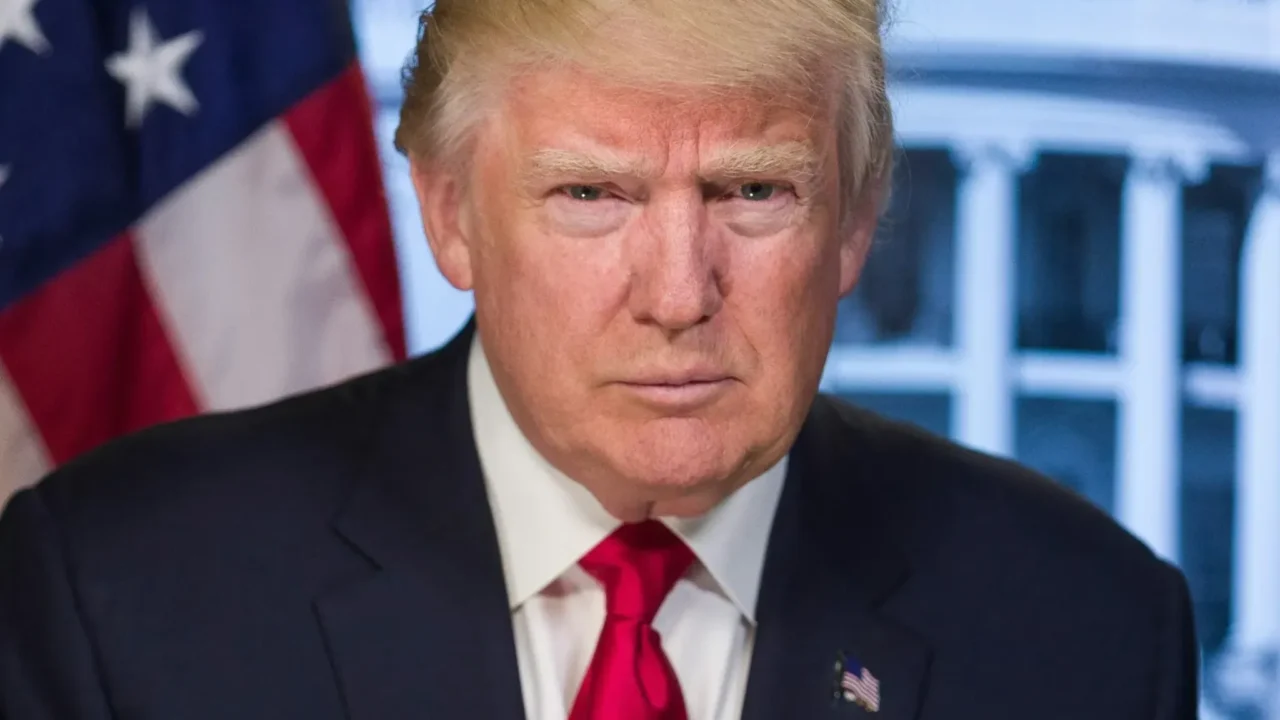
The timing adds more strain to already tense U.S.-China relations. This dispute could become a “thorny issue” at the planned mid-May summit in Beijing between U.S. President Donald Trump and Chinese President Xi Jinping, where technology competition will likely be a major topic.
Meta wanted Manus to strengthen its AI-agent push
Meta bought Manus in December for over $2 billion, as part of its plan to build better AI agents. These agents are tools designed to handle more complex tasks than regular chatbots, needing less human input.
This made Manus a valuable target for Meta, especially as major tech companies compete to build AI systems that go beyond just answering questions.
CNBC said Chinese state media and commentators promoted Manus as China’s next DeepSeek after it released what it called the world’s first general AI agent.
Executives were reportedly restricted during review
China’s scrutiny started before Monday’s cancellation order. In March, Manus CEO Xiao Hong and chief scientist Ji Yichao were not allowed to leave China while regulators reviewed the deal.
This shows that Beijing was already taking a tough approach to the deal before officially blocking it. Manus had moved its headquarters from China to Singapore months earlier, joining other Chinese-founded companies that relocated to avoid U.S.-China tensions.
However, Beijing’s actions suggest that moving abroad may not fully protect companies with Chinese roots from Chinese regulatory scrutiny when AI assets are involved.
Analysts say AI controls are expanding beyond chips
This case also shows that the U.S.-China technology rivalry is spreading beyond semiconductors. Alfredo Montufar-Helu, managing director at Ankura China Advisors, shared that Beijing’s move shows how AI is now central to the competition between the world’s two largest economies, with controls that used to focus on chips now expanding to AI itself.
Montufar-Helu said China is making it clear that it will block foreign takeovers of assets it sees as important for national security, and that AI is now clearly one of those assets. He also said this move warns that moving abroad will not always protect companies from Chinese scrutiny.
A warning shot for cross-border AI deals
The blocked Meta-Manus deal could become a test case for how China will handle future acquisitions of AI startups with Chinese roots, even if those companies have moved their headquarters or operations overseas.
It also means U.S. companies seeking AI talent and technology may face more obstacles when the target has ties to China.
For Meta, this decision is a setback in its efforts to speed up AI agent development through acquisitions. For Beijing, it sends a clear message that AI startups are no longer just ordinary business assets.
They are now part of the strategic technology race, and China intends to keep them under tighter control.