Coca-Cola has temporarily suspended U.S. production at its Fairlife dairy business after a cyberattack disrupted production systems, making the popular milk brand one of the latest corporate victims in a widening wave of ransomware and AI-driven cyber threats.
TechCrunch reported that Coca-Cola said one of its dairy subsidiaries was a widening wave of ransomware and AI-driven cyber threats.
Fairlife Systems Hit by Ransomware
The incident was disclosed through a filing with U.S. regulators.
TechCrunch reported that Coca-Cola said in a U.S. Securities and Exchange Commission disclosure that Fairlife was hit by ransomware and that production systems were affected.
Reuters reported that Fairlife temporarily suspended U.S. production after a third party gained unauthorized access to parts of its systems.
The shutdown is limited to the United States. Fairlife’s operations in Canada are unaffected by the ransomware incident.
Fairlife Is a Major Coca-Cola Brand
The disruption matters because Fairlife is not a small side business. Coca-Cola is one of the world’s largest companies, with products spanning carbonated drinks, water and dairy products. Fairlife is one of Coca-Cola’s major brands, with estimated sales of $4 billion by 2024.
Fairlife has grown around protein-focused dairy products. Fairlife is a dairy brand known for a specialized filtering process that boosts protein while cutting sugar and lactose in its milk products. That makes the production pause more visible because the brand has benefited from consumer demand for high-protein drinks and nutrition products.
Food and Beverage Attacks Can Hit Supply Chains
Cyberattacks on food and beverage companies can create real-world disruption because they can affect production lines, distribution schedules and product availability. Past incidents at Arizona Beverages in 2019 and food distributor UNFI last year caused weeks-long disruptions and empty grocery shelves. Companies worldwide are grappling with a surge in AI-driven cyberattacks and ransomware that can disrupt operations.
The Fairlife case shows why ransomware is especially damaging for manufacturing and food operations. Unlike a data breach that may remain invisible to customers at first, a production-system incident can quickly affect factories, suppliers, retailers and consumers.
Cyber Pressure Builds Across U.S. Companies
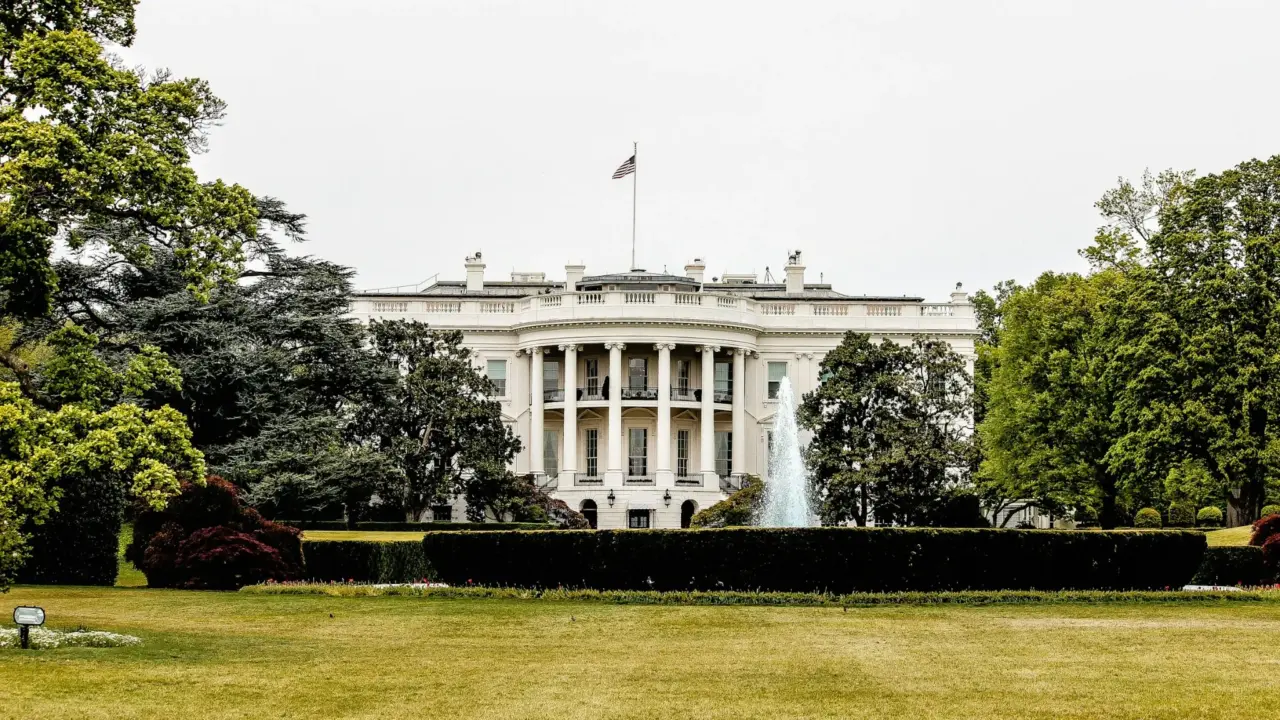
The attack also fits a broader corporate cybersecurity pattern. U.S. companies have been reporting or experiencing cyber incidents this year, with Fairlife added to the list after the production pause. The White House said earlier in the week it was launching a coordination group to bring AI developers and critical infrastructure operators together to share information on vulnerabilities identified by advanced AI systems.
That policy response matters because cyberattacks are no longer only an IT problem. When ransomware reaches production systems, it can stop business operations and create pressure on supply chains. Coca-Cola has not said when Fairlife’s affected systems will be restored, leaving the duration of the shutdown unclear.
For now, the Fairlife incident underscores a growing risk for major consumer brands: cyberattacks can move from computers to production floors, turning a diital breach into a business interruption that consumers may eventually feel in stores.