Streaming was supposed to be the escape hatch from cable. It promised fewer ads, cheaper bills, flexible subscriptions, and the freedom to watch what you wanted without being trapped in a bloated package. For a while, that promise worked. Viewers could cut the cord, pick a few apps, and enjoy an entertainment system that felt lighter, cleaner, and more personal.
Now the mood has changed. Streaming still gives viewers more control than traditional cable ever did, but the experience is starting to feel strangely familiar. Ads are back. Bundles are back. Prices keep rising. Password-sharing limits are spreading. Free tiers are becoming crowded with commercials. Viewers are once again asking why entertainment feels expensive, fragmented, and tiring.
The irony is simple: streaming did not become cable by accident. It became cable because the business model needed to grow up.
The Price Advantage Is Getting Weaker
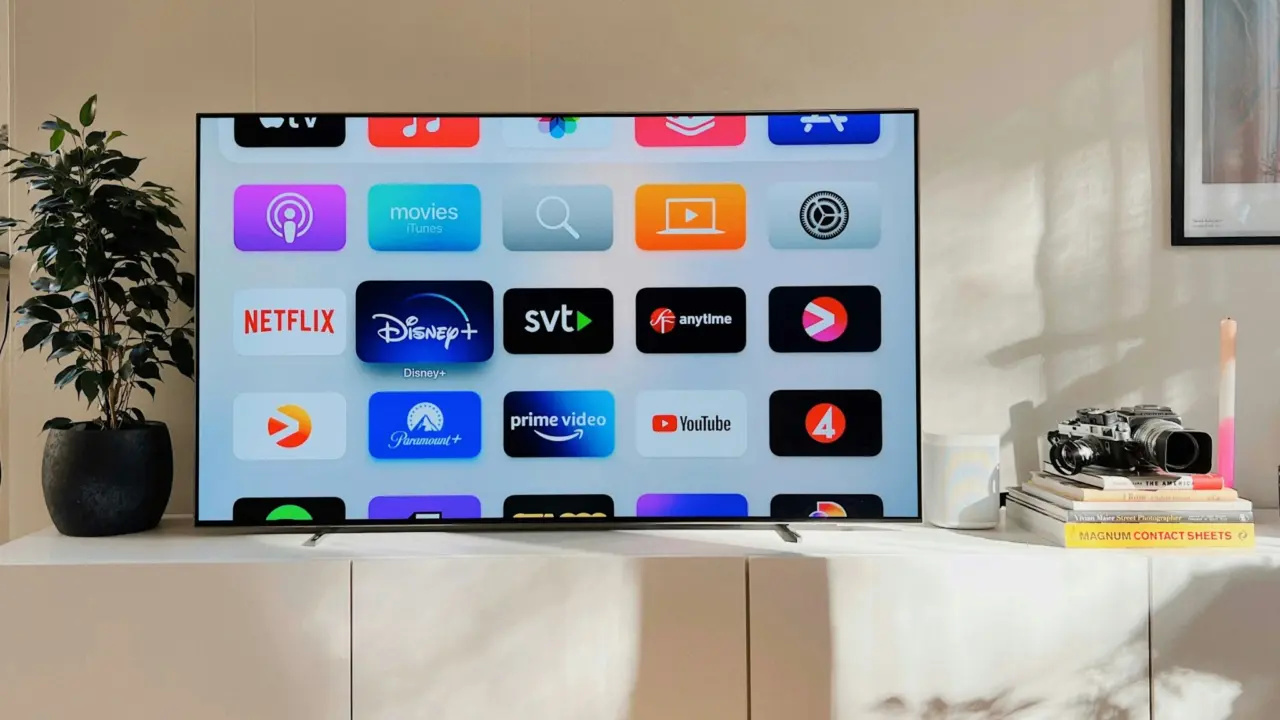
The first reason streaming feels like cable again is the bill. A single app may still look affordable, but the modern streaming household rarely uses only one service. Viewers stack subscriptions across Netflix, Disney+, Prime Video, Max, Hulu, Apple TV, Peacock, Paramount+, sports packages, music services, and sometimes live TV streaming apps.
According to Deloitte’s 2026 Digital Media Trends findings, the average subscribing household reports spending $69 per month on streaming video services, while more than 6 in 10 respondents said they would cancel their favorite service if its monthly price increased by $5. That number explains why streaming fatigue is not just about too many shows. It is about recurring cost pressure.
According to Deloitte’s 2025 Digital Media Trends report, 47% of surveyed consumers said they pay too much for streaming services, while 41% said the content available on those services is not worth the price. Those findings show that the emotional bargain has shifted. Viewers are not only paying more; they are questioning whether the value still feels obvious.
Ads Returned Through the Side Door
The second cable-like feature is advertising. Streaming originally sold itself as an escape from scheduled television and commercial breaks. But as subscription growth slowed, ad-supported tiers became one of the easiest ways for companies to keep price-sensitive users inside the ecosystem while building a second revenue stream.
According to Deloitte’s 2026 survey, 68% of streaming subscribers now pay for at least one ad-supported tier, up from 46% in 2024. Deloitte described ad-supported streaming as a primary engine of subscriber growth and engagement as consumers become more cautious about recurring expenses and frustrated with rising prices.
The broader viewing data shows the same return of advertising. Nielsen’s Q1 2026 Ad Supported Gauge found that ad-supported TV represented nearly 73% of overall television viewing, while streaming reached a record 46.6% share of ad-supported TV viewing. That means the ad-free dream has not disappeared, but it is becoming a premium experience again.
Free Streaming Is Growing Because Paid Streaming Feels Heavy
Free ad-supported streaming services are also helping make streaming feel more like television. Platforms such as Tubi, Pluto TV, The Roku Channel, YouTube, and FAST channels recreate part of the old lean-back TV experience: open an app, choose a channel or title, and watch ads in exchange for no monthly fee.
According to Nielsen’s April 2026 Gauge reports, YouTube remained at the top of the Media Distributor Gauge with 13.4% of total TV watch time. Nielsen also reported that Tubi viewership rose 3% in April 2026, giving the ad-supported streamer a platform-best 2.3% share of television.
This matters because free platforms change expectations. When viewers can find background entertainment, movies, news clips, sports commentary, creator videos, and old shows without another monthly charge, paid apps have to justify themselves harder. A paid subscription no longer wins by being digital. It has to be worth keeping.
Bundles Are Rebuilding the Package Streaming Broke
The third reason streaming feels familiar is bundling. The old cable bundle was criticized because customers paid for many channels they did not watch. Streaming broke that package apart, but fragmentation created a new problem: viewers now have to chase content across too many separate apps.
According to Deloitte’s 2025 technology, media, and telecommunications prediction, standalone streaming “stacking” was expected to decline as the market moved toward price raising, password-sharing crackdowns, and bundling. Deloitte said the shift reflected a reevaluation of a marketplace built around many dozens of individual direct-to-consumer subscription providers.
Bundles solve a real consumer problem. They reduce app overload, combine billing, and sometimes lower prices. But they also bring streaming closer to the cable logic it once rejected: package several services together, make the bundle feel cheaper than the separate parts, and use convenience to keep people subscribed.
Password Sharing Limits Turned Flexibility Into Enforcement
Password-sharing crackdowns also made streaming feel more controlled. The early streaming era was loose and social. Families, partners, friends, and roommates often shared accounts across homes. Companies tolerated it while growth was fast. Once growth slowed, shared access became lost revenue.
Reuters reported that Netflix introduced ads and cracked down on password sharing after slowing U.S. subscriber growth pressured the company in 2022. Netflix is working to grow through advertising, live events, and video games as it faces competition from Disney, YouTube, and mobile viewing apps such as TikTok.
From a business view, password-sharing limits make sense. From a viewer’s view, they feel like a cultural shift. Streaming used to feel flexible. Now it increasingly feels monitored, segmented, and tied to household rules.
Subscription Fatigue Is a Real Behavioral Problem
Research on streaming fatigue helps explain why viewers feel tired even when they technically have more choice than ever. The issue is not only cost; it is also the mental burden of managing too many services.
A 2025 study titled “Unsubscribing From Over-the-Top” developed a framework around subscription fatigue and mental accounting among OTT multi-homing users who subscribed to at least two paid OTT services. The same study examined how subscription fatigue and mental coupling shape discontinuation intention among users managing multiple OTT services.
That is why viewers sometimes cancel even when they like a service. Each app becomes one more decision: what to watch, what to keep, what to pause, what increased in price, what has ads now, what show moved where, and which password still works. Streaming fatigue is not just entertainment boredom. It is subscription management fatigue.
Platforms Design for More Watching, Not Less
Streaming also feels heavier because platforms are designed to keep people watching. Autoplay, recommendation rows, countdown timers, personalized thumbnails, and endless libraries reduce friction, but they can also make entertainment feel less intentional.
A 2024 experimental study on Netflix use found that disabling autoplay significantly reduced average daily watching and average session length among participants. The same study argued that attention-capture features can extend platform sessions beyond what users might otherwise have intended.
This helps explain why streaming can feel both convenient and exhausting. The system is optimized to reduce the moment when users stop and decide. Cable used scheduled programming to keep people watching; streaming uses interface design.
The New Cable Is More Personalized, but Still Familiar
Streaming has not simply become cable. It is more personalized, more portable, more searchable, and more flexible than traditional television. Viewers can still cancel month to month, choose niche services, download shows, skip schedules, and move between devices.
But the business pressures are pulling it toward familiar territory. Ads are needed because subscriptions alone are not enough. Bundles are needed because too much choice became messy. Free tiers are growing because many households do not want another bill. Password limits are spreading because platforms want every viewer converted into a paying account. Price increases are continuing because expensive content, sports rights, infrastructure, and investor expectations have to be paid for.
The result is not the old cable box. It is cable logic rebuilt through apps. The future of streaming may still be digital, but its biggest lesson is old: entertainment systems eventually organize themselves around money, attention, and control. Viewers cut the cord to escape that reality once. Now they may have to manage it all over again, one subscription at a time.