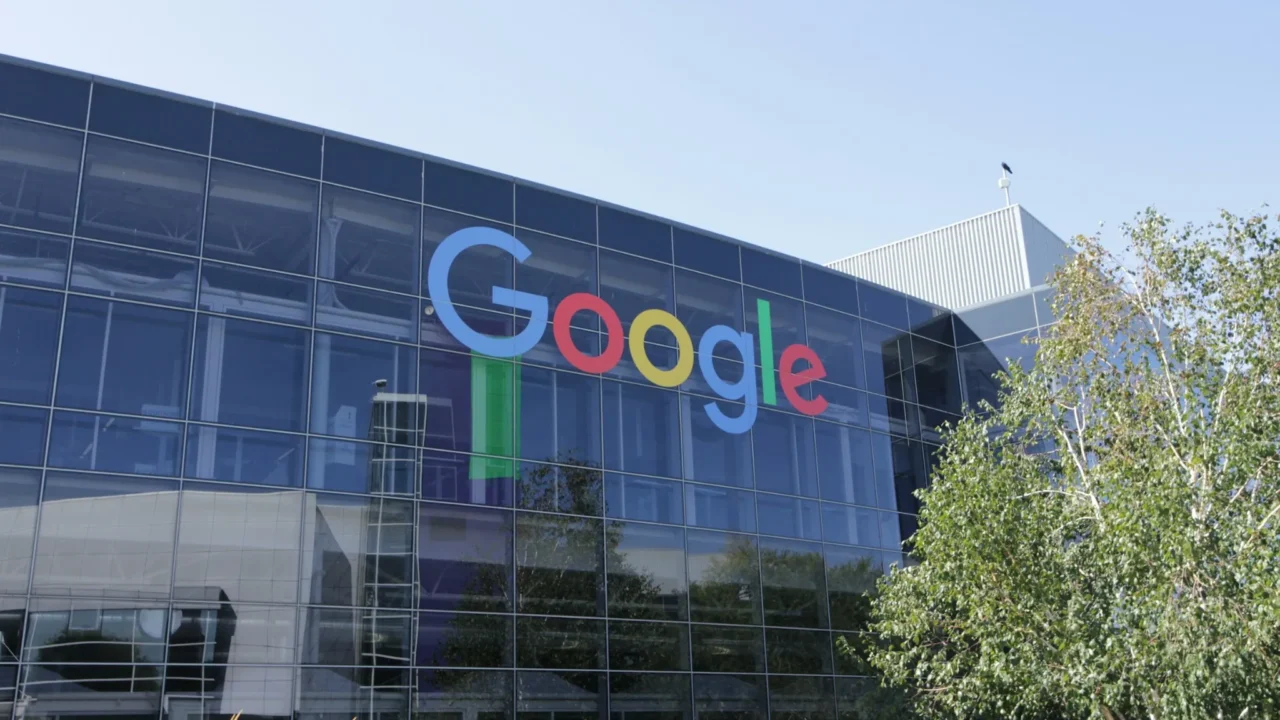
Google has formally appealed a U.S. court ruling that found the company held illegal monopolies in online search and related advertising, pushing one of the biggest Big Tech antitrust cases into a new stage.
Alphabet’s Google filed the appeal on Friday against a Washington federal judge’s ruling that it holds “illegal monopolies in online search and related advertising.
Google challenges Judge Mehta’s ruling
The appeal targets a major decision by U.S. Judge Amit Mehta, who ruled in 2024 that Google illegally blocked competitors by paying billions of dollars each year to companies, including Apple, to make Google the default search engine on new devices.
Reuters reported that Google argued Mehta made legal errors in the ruling. The company said its arrangements with device makers and browser developers did not stop them from promoting rival search services such as Microsoft’s Bing.
Google also defended its market position by saying it succeeded through a superior search engine built through hard work, innovation, and business decisions. That argument goes to the center of the case: whether Google’s dominance came from better products or from deals that locked rivals out of key access points.
Search data sharing is a major issue
The appeal also matters because of the remedies ordered after the monopoly ruling.
The Verge reported that Mehta ordered Google to share some search data with competitors to help restore competition. That data-sharing requirement could potentially include artificial intelligence companies such as OpenAI, showing how the search case now overlaps with the growing AI race.
If the appeals court rules in Google’s favor, outcome would overturn the order requiring Google to share search data with competitors.
For Google, this is important because search data is one of the company’s most valuable assets. For rivals, access to some of that data could help them improve competing search products or AI-powered alternatives.
DOJ expected to respond in July
The case is not moving only on Google’s side.
The U.S. Department of Justice is expected to file its own arguments in July, although a DOJ spokesperson declined to comment.
That means the appeal will likely become another major fight between Google and U.S. antitrust enforcers over how far courts should go in changing the company’s search business.
The dispute also comes as regulators continue to examine whether Big Tech companies have used their existing market power to protect their position in fast-changing areas such as AI, online advertising, browsers, and mobile platforms.
The case could still reach the Supreme Court
The next stop is the U.S. Court of Appeals for the District of Columbia Circuit, where Google will try to reverse the lower court’s ruling.
If Google loses at the appeals court, it could still take the case to the U.S. Supreme Court. That means the legal fight over Google Search could continue for years before a final outcome is reached.
For now, Google is trying to protect the business model that has kept it at the center of online search for decades. The government, meanwhile, is trying to prove that Google’s default search deals and market position limited competition in ways that require court-ordered fixes.
The outcome could shape not only the future of Google Search but also the broader rules for competition in AI-powered search, digital advertising, and the platforms people use every day to access information online.