
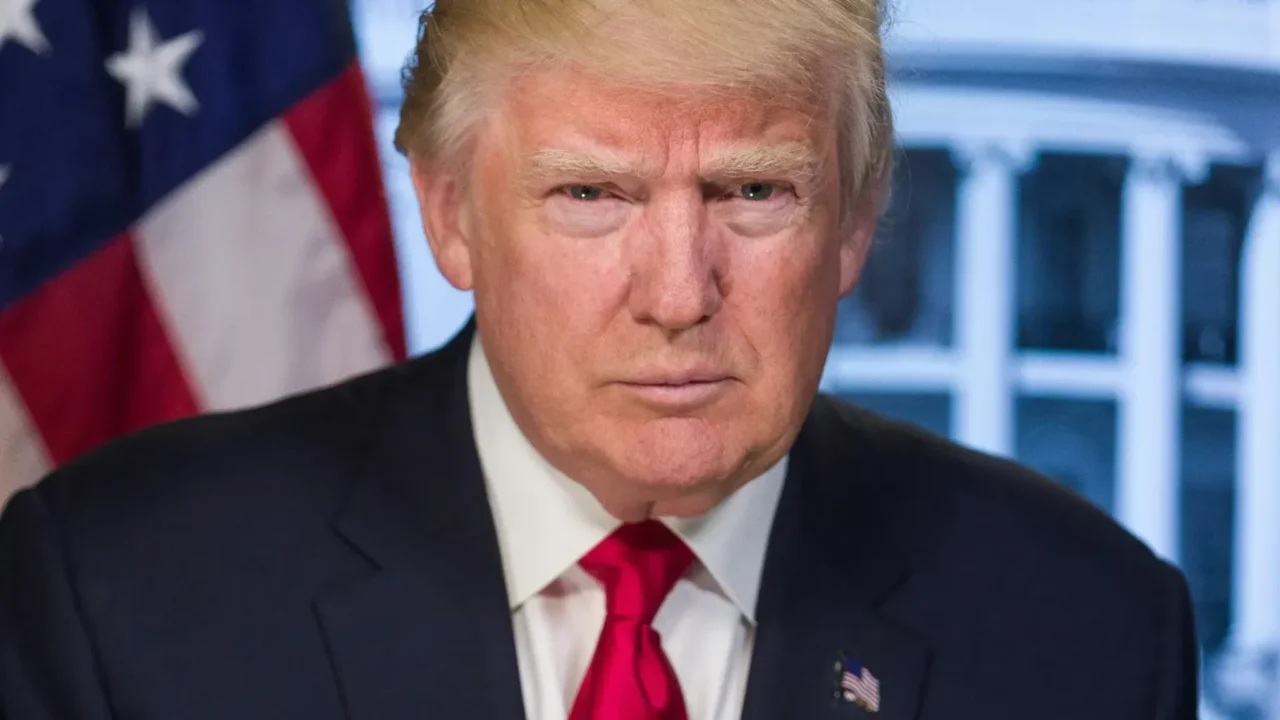
U.S. President Donald Trump is urging data-center companies to make direct financial deals with the communities hosting their facilities, arguing that sharing some of the economic benefits could help overcome growing resistance to the infrastructure powering the AI boom.
CNBC framed the message around Trump’s instruction to “MAKE DEALS” with communities as the industry faces growing scrutiny around AI infrastructure.
The proposal adds another dimension to an increasingly difficult challenge for AI companies: securing not only capital, chips and electricity, but local permission to build.
Trump says money can change local opposition
Trump said in a Truth Social post that he had watched previously unpopular data-center projects become popular once a financial deal is struck with the surrounding community.
His comments come as large data centers increasingly face resistance because of their substantial electricity and water requirements.
Reuters reported that opposition has brought together voters across ideological lines, even as the administration prioritizes rapid AI development as part of U.S. competition with China.
That creates a political contradiction.
Washington wants more AI infrastructure, but the physical facilities needed to provide that compute are built in individual communities that directly experience the effects on electricity grids, land and water resources.
Large facilities should generate their own power
Trump also repeated his view that new large data centers should not simply place additional demand on existing utility infrastructure.
He said new and large facilities are required to generate their own electricity and give or sell excess power back to the surrounding community or grid.
That builds on his February position that major technology companies should construct their own power plants for data centers to protect consumers from higher electricity bills.
The combination of self-generation and community payments points toward a new model for AI infrastructure development: companies may increasingly have to demonstrate direct local benefits rather than simply promise jobs and investment.
The AI boom is creating a new social contract
Technology companies are already experimenting with broader benefit-sharing ideas.
Reuters noted that Anthropic recently committed 5% of its shares to a fund for the public good, while Elon Musk said he wanted to give one SpaceX share to every American child.
Trump’s proposed dividend is different because it directly links benefits to communities bearing the physical impact of data-center construction.
For AI companies, this turns community relations into part of infrastructure strategy.
The next generation of hyperscale projects may have to compete not only on available megawatts and tax incentives but on how much economic value they return to the people living beside them.
The AI race is still about compute.
Increasingly, however, access to that compute may depend on convincing local communities that they should share in the upside.