OpenAI is delaying the full public release of GPT-5.6 after the U.S. government asked for early visibility into the model, signaling a new phase in Washington’s effort to scrutinize powerful artificial intelligence systems before they reach wider use.
OpenAI said on Friday it was delaying a full public launch of GPT-5.6 at the U.S. government’s request, limiting initial access to a small group of vetted partners whose details were shared with authorities.
Washington Pushes for Early AI Model Access
The delay reflects growing concern that frontier AI tools could create national security risks if released too quickly.
Reuters said the decision underscores growing concern in Washington over the national security risks posed by powerful AI systems, with policymakers pressing companies to put guardrails around them.
The Business Times similarly reported that securing early access would allow U.S. officials to identify threats ranging from cyberattacks to military misuse before the tools are widely deployed.
OpenAI said the limited launch is temporary. OpenAI described the limited release as a temporary step while it works with Washington on a broader framework for future model launches.
Sam Altman Backs Testing but Questions Customer Control
OpenAI CEO Sam Altman appeared to support safety testing while objecting to government involvement in choosing early users. Altman said on X that extensive safety testing is not a bad idea, but that he did not like the idea of the government picking the customers.
The company said the delay is meant to support wider availability later. OpenAI said it is taking the short-term step because it believes it is the strongest path to broader availability in the coming weeks while working with the administration on a cyber executive order framework. OpenAI will continue rigorous testing and close coordination with partners as it prepares for a wider release.
Trump Executive Order Sets Up Voluntary Review
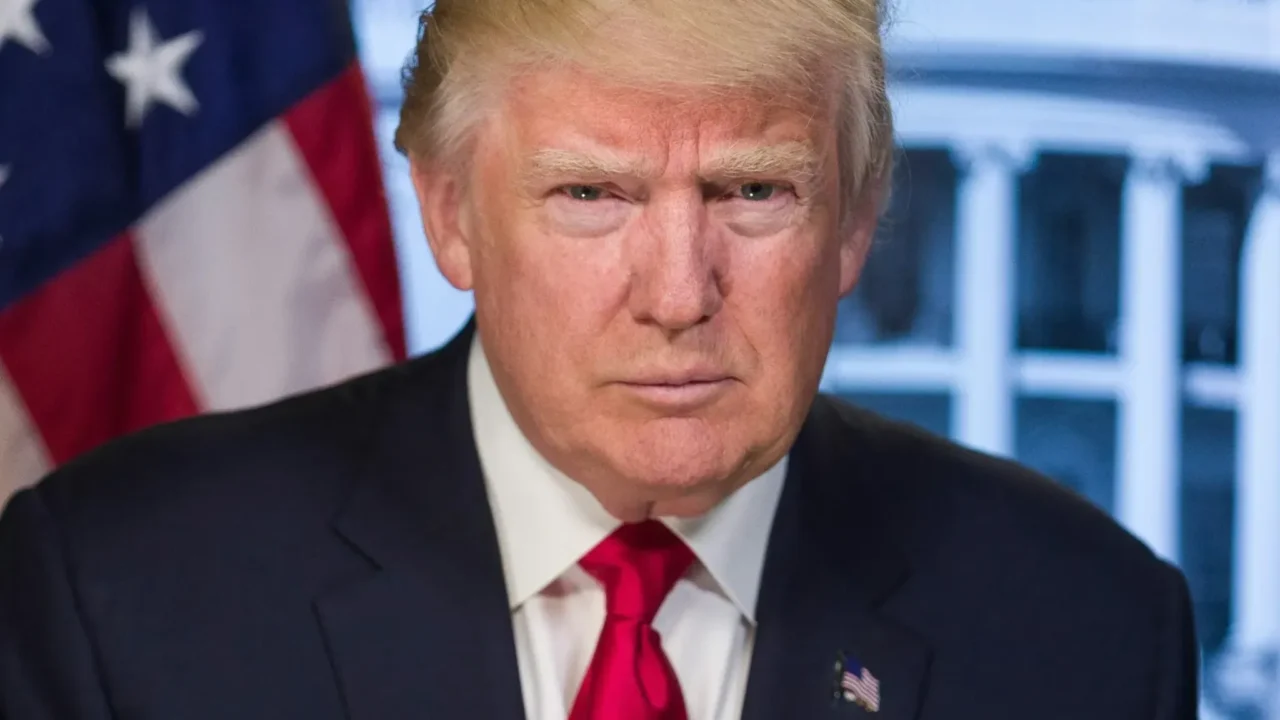
The rollout comes after President Donald Trump moved to formalize early government review of powerful models. Trump signed an executive order earlier this month establishing a voluntary framework for AI developers to offer “covered frontier models” to the U.S. government for up to 30 days before releasing them to trusted partners.
The executive order established a voluntary framework for developers to provide covered frontier models to the U.S. government before release.
OpenAI cautioned that this level of oversight should not become permanent. OpenAI warned government access and oversight should not become a permanent standard and did not disclose the names of its early partners. OpenAI expressed concern that the process could restrict access to advanced AI tools for developers, businesses, cybersecurity professionals and international partners.
GPT-5.6 Lineup Includes Sol, Terra and Luna
The new model family appears to cover different performance and cost tiers. GPT-5.6 Sol is at the center of OpenAI’s new lineup as its most advanced model yet, alongside mid-tier Terra and lower-cost Luna.
The move also follows broader U.S. pressure on frontier AI companies. The U.S. government earlier this month ordered Anthropic to suspend access to its frontier AI models for foreign nationals, citing national security concerns.
For OpenAI, the GPT-5.6 delay shows that frontier AI releases are becoming less like ordinary software launches and more like security-sensitive deployments. The company still wants broader availability, but Washington’s demand for early access suggests that the most powerful AI systems may now face government review before reaching the public.