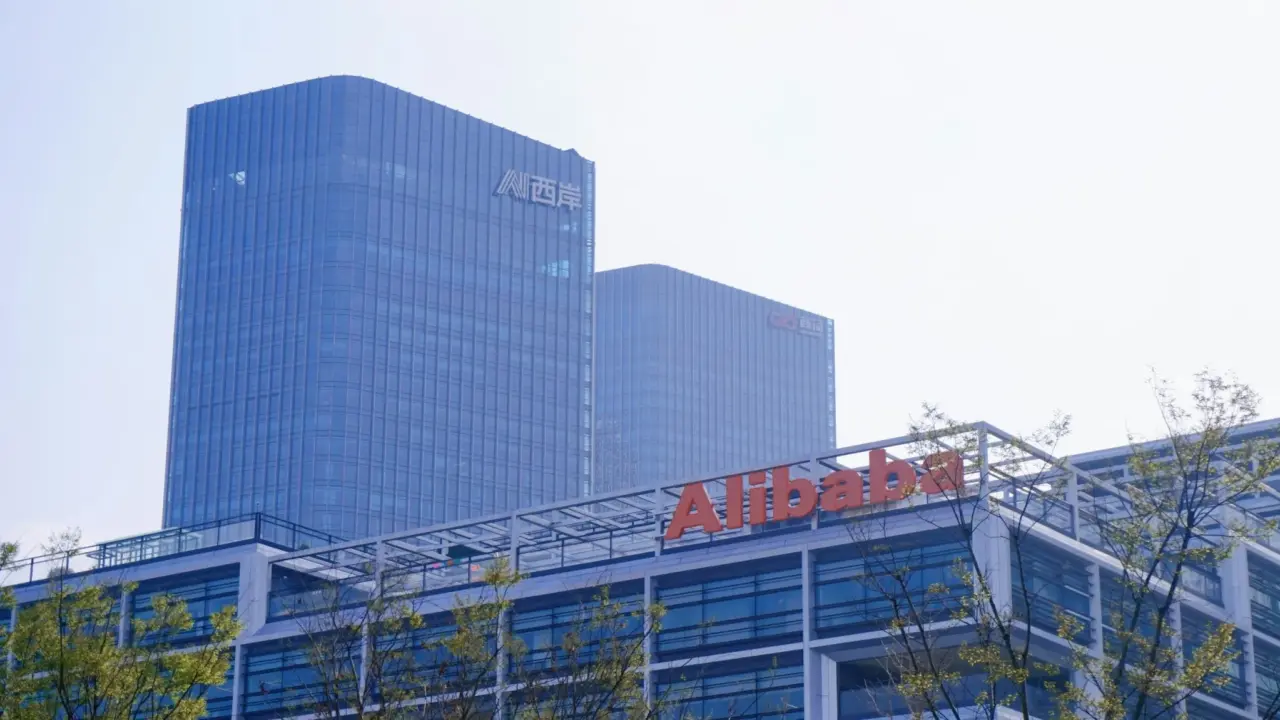
Alibaba is putting fresh money behind a different kind of artificial intelligence, leading a 2 billion yuan, or about $290 million, investment in Chinese startup ShengShu, the company behind the AI video tool Vidu.
The move signals a broader shift in the AI industry as companies begin looking beyond text-heavy large language models and toward so-called world models built on video and real-world physical data.
TAL Education and Baidu Ventures also joined the Series B round, while Analytics Insight said the funding highlights growing recognition that traditional LLMs have limits when AI is pushed into robotics and other physical-world systems.
A bigger bet on “world models”
ShengShu said the new funding will support work on what it called a general world model that uses AI to connect the digital world of games and AI-generated video with the physical world of autonomous driving and robots.
CNBC shared that Alibaba Cloud is investing in a new type of artificial intelligence designed to better replicate the real world.
That distinction matters because world models are being pitched as a way to help AI understand not just language, but cause and effect in environments that behave like the real world.
Analytics Insight shared that Zhu Jun, ShengShu’s founder, said that a general world model built on multimodal data such as vision, audio, and touch can more naturally capture how the physical world works than large language models.
He added that such systems should be better at predicting real-world behavior consistently.
Why LLM limits are becoming a bigger issue
The investment also reflects a growing belief that large language models, while powerful, are not enough on their own for the next stage of AI.
LLMs are strong at writing and chatbot-style interaction, but cannot communicate in real-time or understand the physical world, a weakness that becomes more obvious in robotics and embodied AI applications.
CNBC framed the same idea as recognition of the limits of LLMs trained primarily on text.
That helps explain why Alibaba is not just backing another chatbot company. Instead, it is investing in infrastructure for AI systems that may eventually operate in industrial, commercial, and home settings.
ShengShu plans to use the money to build systems that bridge simulated digital environments and real-world physical tasks, a direction that would push AI closer to robotics and autonomous machines.
Vidu roots, bigger ambitions
ShengShu is best known so far for Vidu, its AI video-generation product, but this funding round suggests the company wants to use that base as a stepping stone toward something broader.
The startup announced the round on Friday and declined to disclose its valuation. The company had already raised 600 million yuan roughly two months earlier from Qiming Venture Partners and other backers.
For Alibaba, the deal is another sign that China’s AI race is spreading into more specialized areas rather than staying centered on ChatGPT-style systems alone.
The larger message behind the investment is clear: if the next AI wave depends on understanding how the real world behaves, then companies may need more than language models to stay competitive.
World models are still early, but Alibaba is now placing a sizable bet that they could become one of the next major fronts in AI.