The NBA is preparing to use artificial intelligence to automatically decide objective calls such as out-of-bounds plays, a move that could speed up games and reduce disputes over possession.
NBA Commissioner Adam Silver said the league will use AI to automate a category of calls, including out-of-bounds decisions, so games can move faster and referees can spend more time on judgment-based plays.
Silver compares NBA AI system to tennis Hawk-Eye
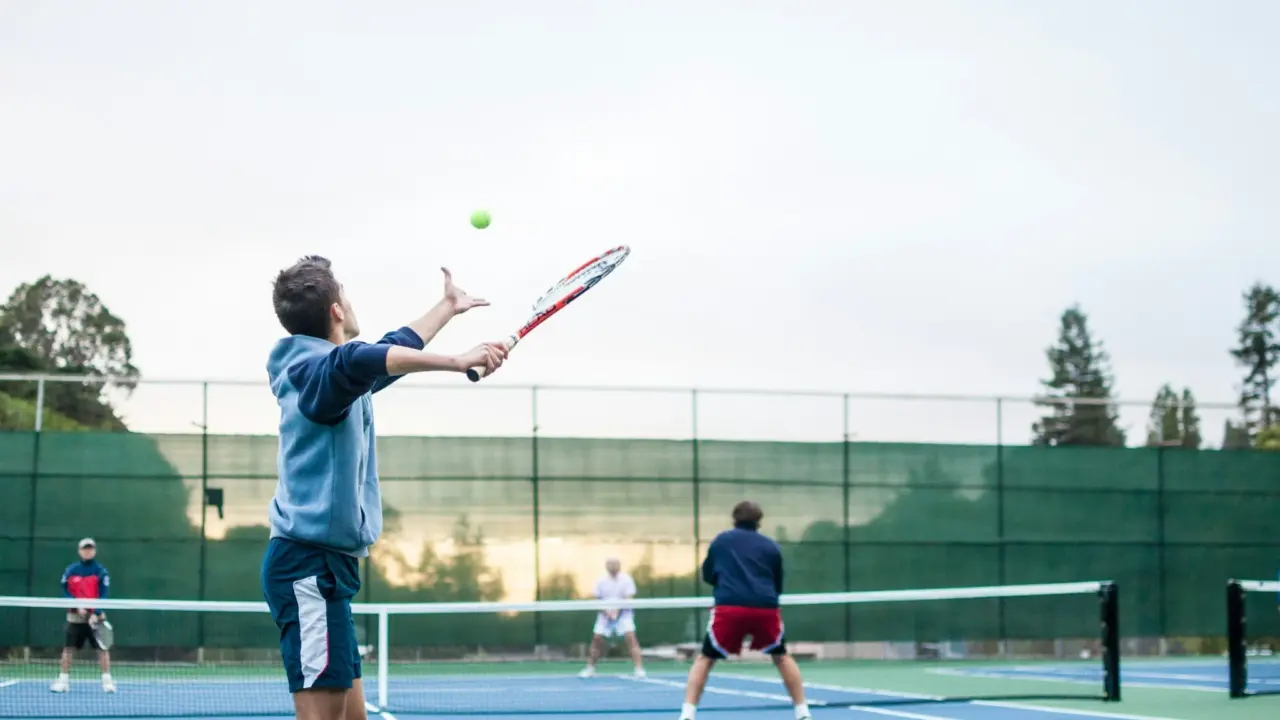
Silver compared the planned system to Hawk-Eye technology in tennis, where electronic line-calling quickly determines whether a ball landed in or out.
Speaking on ESPN’s “The Pat McAfee Show” on Wednesday, Silver said the NBA is “going to move to a system” where a full category of calls will become automatic. He said the system will be able to determine possession, such as whether it is “Laker ball” or “Knick ball,” using cameras placed around the court.
“Those calls will be done by an AI, automated system with cameras lined around the court,” Silver said, according to Reuters.
The goal is to make those decisions nearly instant. Instead of referees stopping play, reviewing footage, or waiting for a coach’s challenge, the AI system would automatically decide who gets the ball.
Objective calls could leave referees’ hands
The New York Post shared that Silver said the technology would take so-called objective calls out of the hands of referees.
That phrase is important because the NBA is not saying AI will replace referees entirely. The league is looking first at calls that are more factual than interpretive, such as whether the ball went out of bounds and which team last touched it.
Silver said the change would also reduce the need for challenges on those plays. If the system can determine possession automatically, coaches would no longer need to use challenges to contest some out-of-bounds decisions.
This could address a common frustration for players, coaches, and fans. Out-of-bounds reviews can slow the pace of games, especially in late-game situations where every possession matters and replay review can take attention away from the flow of the game.
Referees will still handle fouls and contact
Silver made clear that referees will remain essential for subjective calls.
Silver said officials would still need to judge physical contact, because not every contact in basketball is automatically a foul. He said there is often contact on every play, but the real question is whether that contact impeded a player.
“That’s something that can’t just be done on camera,” Silver said.
This distinction shows how the NBA is thinking about AI in officiating. Cameras and automated systems may be useful for boundary and possession calls, but fouls, screens, charges, blocks, and player contact still require human judgment.
No exact launch date yet
Silver did not provide a specific timeline for when the AI system will be introduced.
He said the technology would arrive “fairly quickly,” but the league has not announced an official start date, whether it will be tested first, or whether it will appear in regular-season games before postseason use.
The NBA has already relied more heavily on replay review and centralized decision-making to improve accuracy. However, those systems can also slow games down. AI-based automatic calls could be the league’s attempt to keep the accuracy benefits while reducing the delays caused by traditional replay reviews.
AI could reshape sports officiating
The NBA’s planned use of AI reflects a broader shift in sports technology.
Tennis has long used Hawk-Eye for line calls, soccer uses goal-line technology and video assistant referee systems, and several leagues are exploring automated tools to reduce human error in objective decisions. The NBA now appears ready to bring similar automation into basketball.
For fans, the biggest benefit could be faster decisions and fewer arguments over clear possession calls. For referees, the system could remove some of the most review-heavy decisions and let them focus on the harder parts of officiating.
But the move will also raise questions. Fans will want to know how accurate the system is, how quickly it works, whether teams can appeal AI decisions, and how transparent the league will be when the technology makes a close call.
For now, Silver’s message is clear: AI is coming to NBA officiating, but first for the calls the league believes machines can judge better and faster than humans.