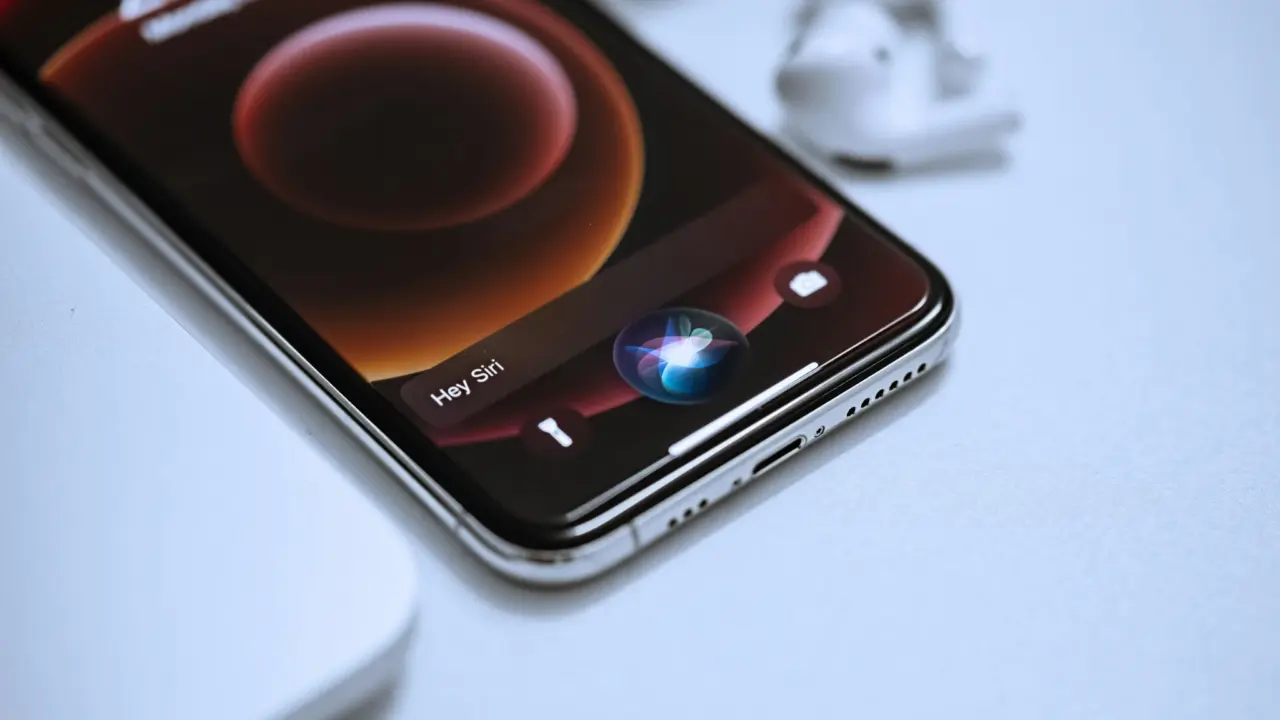
Apple’s long-delayed Siri overhaul may finally arrive with iOS 27, and the redesign could make the assistant feel less like a voice command tool and more like a full AI layer built into the iPhone.
Apple is reportedly preparing to reintroduce the new Siri at WWDC 2026 after nearly two years of delays and a $250 million settlement along the way.
Siri could move into the Dynamic Island
The biggest visual change may be where Siri lives on the iPhone.
Engadget reported that Siri will now live inside the iPhone’s Dynamic Island, with users still able to wake the assistant by saying “Siri” or holding down the phone’s power button. The report also said Apple may let users swipe down from the top center of the iPhone to open a new “Search or Ask” interface.
Gadget Hacks said this new interaction model would shift Siri away from the current experience, where invoking the assistant often interrupts what the user is doing. Instead, Siri could process longer tasks in the Dynamic Island while the user continues using the phone.
That design would make Siri feel more like a persistent AI tool rather than a separate assistant that appears, answers, and disappears.
Search, apps, notes, and calendar actions could merge
The new Siri may also combine search, app launching, and task completion in one place.
The Search or Ask interface could include Siri Suggestions, app launching, text message creation, calendar appointments, note search, and rich text cards that pop out of the Dynamic Island.
Siri is expected to handle world-knowledge questions, search the web, summarize documents, process multi-step requests, and surface contextual cards with information such as calendar appointments, notes, and weather.
This would be a major shift from the old Siri, which often struggled with complex requests. Instead of simply answering simple commands, the redesigned assistant could become a central place for finding information, creating content, and taking action across apps.
A dedicated Siri app may compete with chatbots
Apple is also reportedly planning a dedicated Siri app.
The dedicated Siri app is designed to compete with tools like ChatGPT and Claude, allowing users to talk with Siri through text and voice, upload photos and documents, and return to previous conversations through chat history. The redesigned Siri is reportedly being built as a full conversational AI, with persistent chat threads, chat bubbles, a text entry field, a voice toggle, and photo and document uploads.
That could help Apple close a practical gap. Many iPhone users already leave Siri and open ChatGPT, Google, Claude, or Gemini when they need reasoning, writing help, or longer back-and-forth conversations.
Apple may let users choose other AI models
The most strategic part of the redesign may be AI choice.
Apple is considering giving users the option to access other AI services, including ChatGPT, Claude, and Gemini, through the new interface. Apple reportedly plans to let users set third-party AI services as the default for Apple Intelligence features, including Writing Tools and Image Playground.
That would be a major change in Apple’s usual approach. Instead of forcing users to rely only on Apple’s own assistant, the iPhone could become a gateway to multiple AI models, while Apple keeps control of the system interface.
Camera and Photos could also get AI upgrades
The Siri overhaul may extend beyond search and chat.
Apple plans to integrate Siri more deeply into the Camera and Photos apps, including a mode that could replace Visual Intelligence and allow users to snap a photo and run it through Google reverse image search. Photos may get new “Reframe” and “Extend” tools for changing image perspective or generating visual elements beyond the frame.
Siri’s redesign still depends on execution
The redesign sounds ambitious, but it remains unofficial and could still change before launch.
Gurman warned Apple often tests multiple feature designs internally, and the final public version in June could differ. It remains unclear whether the full Siri overhaul will work on all iOS 27-compatible devices or require Apple Intelligence-capable hardware such as the iPhone 15 Pro or newer.
For Apple, the stakes are high. Siri has spent years behind newer AI assistants, but iOS 27 could give it a second chance.
The real test will be whether Apple can make Siri useful enough, accessible enough, and flexible enough that users stop leaving the iPhone to ask smarter AI tools for help.