Taylor Swift has filed new trademark applications for her voice and likeness, a move aimed at giving the pop star another legal weapon against AI-generated deepfakes, fake endorsements, and manipulated media.
The applications were filed with the U.S. Patent and Trademark Office on Friday through TAS Rights Management, covering two audio clips and one image of Swift.
Swift’s filings target both voice and visual identity
The trademark applications cover two short spoken audio clips linked to Swift’s album promotion.
Reuters reported that one clip features Swift saying, “Hey, it’s Taylor Swift,” while the other begins, “Hey, it’s Taylor,” with both tied to promotional messages for “The Life of a Showgirl.”
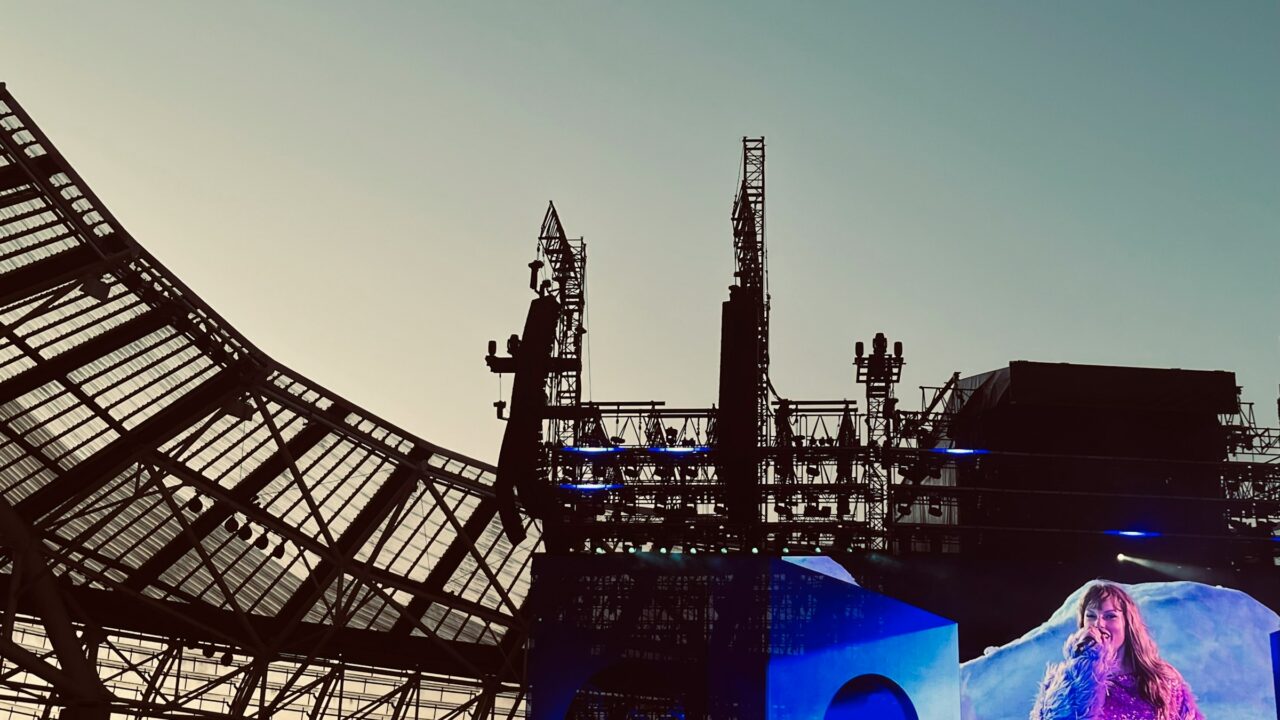
The image application covers Swift performing onstage in a sequined outfit while holding a pink guitar.
The filings appear designed to protect not only specific media assets, but also recognizable elements of Swift’s public identity.
Swift’s voice and image have already been used in numerous AI-generated deepfakes, including false advertising, fake political endorsements, and explicit images.
Why trademark law may matter in the AI era
NBC News shared that the move is notable because traditional copyright law does not always cover AI-generated material that imitates a celebrity without directly copying an existing recording.
Trademark attorney Josh Gerben, who first publicized Swift’s applications, wrote that the filings are “specifically designed to protect Taylor from threats posed by artificial intelligence.”
Gerben said existing right of publicity laws already give famous individuals some protection against unauthorized commercial use of their likeness, but trademark filings can provide “an additional layer of protection.”
He added that AI can now create entirely new content that mimics an artist’s voice without copying a specific sound recording, creating a legal gap that trademarks may help fill.
A new legal strategy for celebrity deepfake protection
The strategy remains relatively untested. Gerben said registering a celebrity’s spoken voice is a new use of trademark law that has not yet been tested in court.
That makes Swift’s filing potentially important beyond her own brand because it could signal how other public figures may try to protect their identities as AI-generated media becomes easier to create and distribute.
Swift is not the only celebrity moving in this direction. Actor Matthew McConaughey has had similar trademark filings approved and told The Wall Street Journal in January that the goal was to create “a clear perimeter around ownership” where consent and attribution become normal in an AI world.
AI deepfakes are forcing a rethink of identity rights
The filings show how quickly celebrity protection is moving beyond music rights, image rights, and publicity claims into a broader fight over digital identity.
For artists like Swift, the threat is no longer limited to unauthorized use of songs or photographs. AI systems can now generate convincing voice clips, fake endorsements, and manipulated images that appear to carry the authority of the person being imitated.
If approved and later tested successfully, Swift’s applications could give her legal team another route to challenge AI-generated content that evokes her voice or likeness in a commercially confusing or harmful way.
For now, the filings are best understood as a defensive move: an attempt to build stronger boundaries around identity before deepfake misuse becomes even harder to contain.