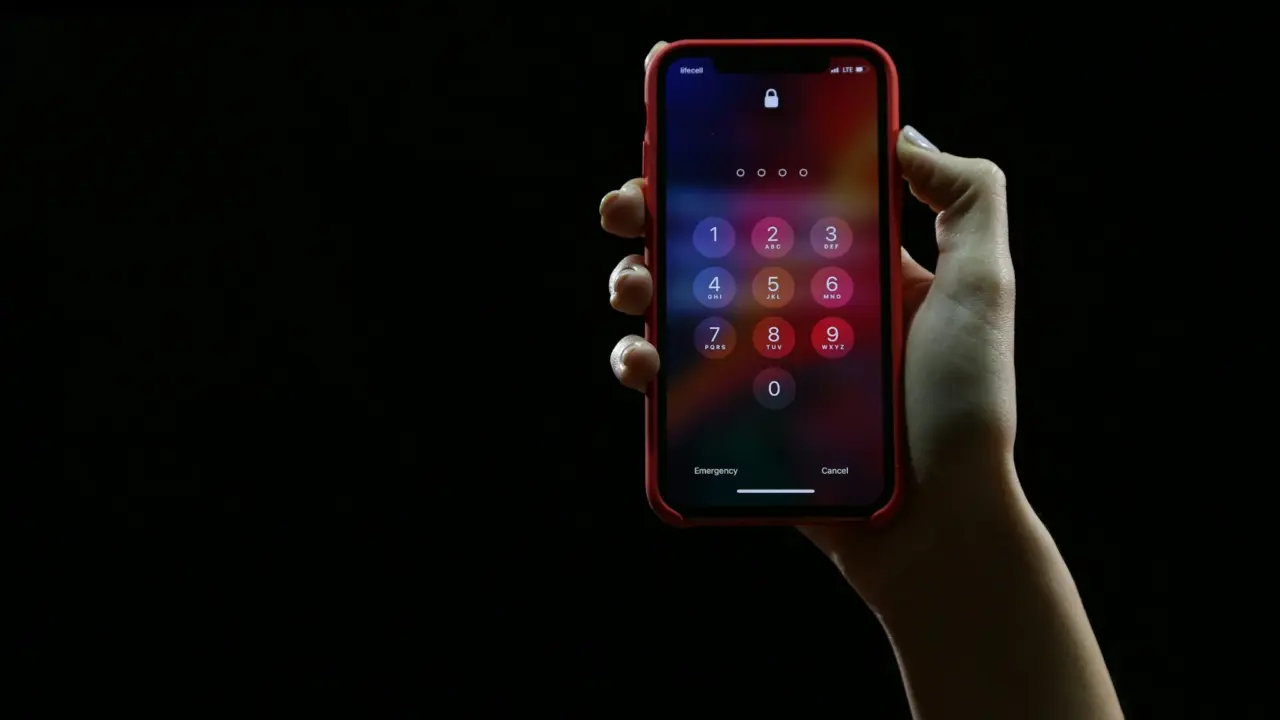
For years, the software industry treated passwords as a necessary hassle. They were insecure and inconvenient, but too established to change. Passkeys are the first real alternative, offering better security and a smoother user experience. They remove the need to remember, reset, or retype passwords, which many people find difficult.
This is important now because the conversation has moved from future ideas to real-world results, customer behavior, and practical engineering. The key question today is whether passkeys work well enough, at a large scale, to become the new standard.
The password problem never stopped being a product problem
The main case for passkeys comes from the everyday problems passwords cause. The FIDO World Passkey Day 2025 consumer study found that 36% of people had at least one account compromised by weak or stolen passwords, and 48% abandoned an online purchase after forgetting a password.
This highlights why passwords remain a big issue: they create security risks and business problems. When login methods cause account takeovers, support requests, and lost sales, it is more than just a security concern. It also affects user retention, conversion rates, and trust for software teams aiming for smooth user experiences.
The latest FIDO Passkey Index 2025 shows that passkeys are starting to make a real difference. Among the companies surveyed, 26% of all sign-ins now use passkeys, 36% of accounts have a passkey, and passkey sign-ins succeed 93% of the time compared to 63% for other methods.
The report also says passkeys cut login time by 73%, reducing the average sign-in from 31.2 seconds with traditional MFA to just 8.5 seconds. Some companies even saw up to an 81% drop in help desk requests related to sign-ins. These numbers are important because they show clear benefits: fewer failed logins, faster user journeys, and lower support costs.
Why passkeys are structurally different
Passkeys are not just passwords stored more conveniently. They work in a completely different way. Apple’s Passkeys overview explains that users can sign in with Face ID or Touch ID, and the passkey is synced through iCloud Keychain and is “intrinsically linked” to the app or website where it was created.
Apple also says this makes passkeys “safe from phishing,” since users cannot be tricked into using their credentials on fake apps or sites. This matters because traditional passwords are shared secrets that can be stolen, guessed, or reused. Passkeys serve as proof of identity, not something you need to remember.
The research paper State of Passkey Authentication in the Wild points out this technical difference. The authors say passkeys are WebAuthn credentials that “eliminate shared secrets,” and their signatures are “origin-bound,” meaning they are tied to the real website, not a fake one.
The paper also notes that private keys never leave the authenticator, making passkeys much harder to phish or reuse if compromised. In practice, passkeys are appealing not because they are new, but because they solve two major password problems: depending on human memory and being easy targets for phishing.
Enterprises are adopting passkeys for boring reasons — and that is a good sign
One reason passkeys are gaining traction in 2026 is that enterprises are adopting them for practical reasons, not just for security marketing. FIDO’s enterprise snapshot found that most organizations surveyed had either deployed or were rolling out passkeys for workforce sign-ins, aiming for “improved user experience,” “enhanced security,” and “standards/regulatory compliance.”
The same report says organizations already using passkeys saw improvements in user experience, security, cost savings, productivity, and digital transformation. This mix shows that passkeys are not just seen as a security measure, but as a way to improve workflows.
Microsoft’s data helps explain why this argument is convincing. In its May 2025 post, Pushing passkeys forward, Microsoft reported nearly a million passkeys registered each day.
It also said users signing in with passkeys were about three times more successful than those using passwords, “about 98% versus 32%,” and that passkey sign-ins were eight times faster than password-plus-MFA methods. When a login method boosts both success rates and speed, it is much easier for large software organizations to justify deploying it.
Why the web still looks uneven
If passkeys are so promising, why do they still seem uneven? The simple answer is that the benefits are real, but adoption is focused in certain areas. The State of Passkey Authentication in the Wild census found that passkey adoption “strongly correlates with site popularity” and “often depends on external identity providers rather than native implementations.”
The paper found much higher support among large sites, with “20% in top 100 vs. 6.9% in 50K–100K,” and that top-1,000 sites had 4.2 times higher adoption than those ranked 50,000 to 100,000. Only 12 of 100,000 measured domains used the new “.well-known/passkey-endpoints” discovery standard. In short, passkeys are making progress, but mostly where large platforms, strong identity systems, or major providers have already led the way.
Enterprise research shows the same gap. FIDO’s enterprise snapshot reports that organizations without active passkey projects still mention “complexity, costs and overall lack of clarity about implementation.”
This is where software teams face challenges. The cryptography is solid, and the user experience is getting better. However, integration, legacy system compatibility, and confidence in rolling out passkeys are still uneven, especially outside the largest consumer platforms.
Recovery is the part nobody can ignore
The toughest part of passwordless sign-in is not the first login, but what happens if a user loses their device, switches platforms, or needs backup access in a difficult situation.
The implementation paper The Passwordless Authentication with Passkey Technology from an Implementation Perspective points out that account recovery is still a limitation and says the “recovery mechanism” has “not yet been standardized.” The paper suggests a “hybrid implementation approach” that uses passkeys but keeps TOTP as a backup.
Another 2025 study on synced credentials found that while synced passkeys aim to lower the risk of lockout, recovery still depends on how many devices a user has set up and how the provider manages the ecosystem. This is an important reminder: passkeys fix much of the login problem, but software teams still need solid recovery plans, not just impressive demos.
So, is software finally ready?
The most accurate answer is that passkeys are ready at the core, but not everywhere yet. The evidence shows that passkeys can improve success rates, reduce friction, prevent phishing, and lower support needs.
This momentum is stronger than past passwordless trends. Still, not everyone is ready. The biggest platforms and well-funded companies are leading, while smaller services, mixed-device setups, and situations needing frequent recovery are still catching up. Even so, the industry has reached an important milestone.
Replacing passwords is now about software operations, user experience, and business results, not just technical standards. That is the clearest sign that passkeys are not just the future of login, but the first real replacement that can work in practice.