At first, it might seem unlikely that just knowing your phone number could put your accounts at risk. After all, phone numbers are not private.
We share them with friends, businesses, delivery apps, and sometimes even strangers. However, in cybersecurity, a phone number is more than just a way to contact you. It has quietly become one of the most important identifiers online.
The real question is not simply whether someone can hack you with your number. Instead, we should ask what someone can actually do with it, and when it becomes a real risk.
The answer is not straightforward. A phone number by itself cannot unlock your accounts. But when it is combined with other weaknesses, especially in authentication systems, it can become a powerful way in.
Your Phone Number Is Now a Digital Key
Today, phone numbers are often used as key parts of our identity. They connect to messaging apps, banking alerts, account recovery, and two-factor authentication (2FA).
The U.S. National Institute of Standards and Technology (NIST) has already flagged this dependency as a risk. In its official digital identity guidelines, NIST states that “out-of-band authentication using SMS is deprecated” because of known vulnerabilities in the system.
This warning is important because it shows that while phone numbers are widely used for security, they were never meant to be secure identifiers.
The Real Threat: SIM Swapping
SIM swapping is one of the best-known attacks that involve phone numbers.
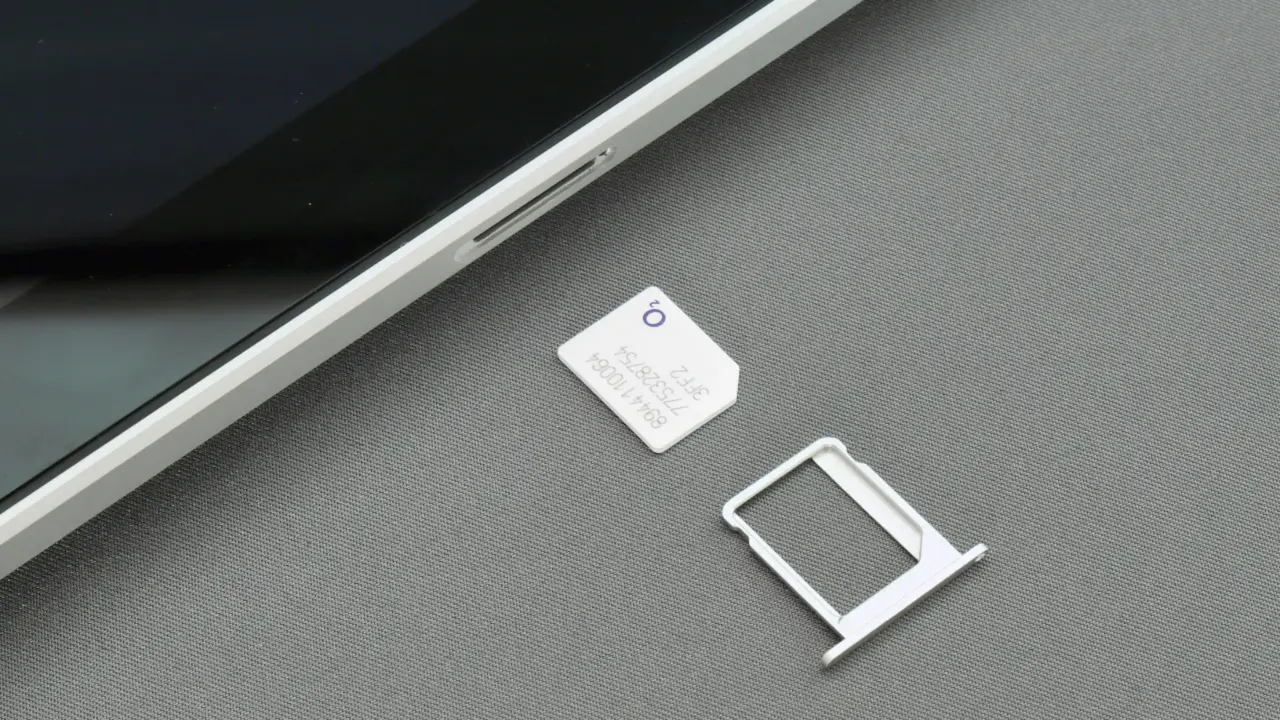
According to the Telecommunication Industry Ombudsman, SIM swapping happens when attackers “convince your mobile carrier to transfer your phone number to a SIM card in their possession.” Once that happens, they can receive your calls and text messages, including one-time passwords (OTPs).
This is not just a theory. SIM swapping has been used in real attacks against both everyday people and high-profile targets.
DeepStrike noted that SIM swap scams surged dramatically, with consumer losses reaching tens of millions of dollars, and cases increasing sharply in recent years.
The danger of this attack is not the phone number itself, but what it can control. If attackers take over your number, they can reset passwords for your email, social media, and even your bank accounts.
OTP Interception and Why SMS Is Weak
Even if SIM swapping does not happen, attackers can still go after SMS-based authentication systems.
Research published by the European Union Agency for Network and Information Security (ENISA) explains that SMS-based one-time passwords are vulnerable to interception because of weaknesses in telecom infrastructure, including the Signaling System No. 7 (SS7) protocol. ENISA states that attackers can exploit these weaknesses to intercept SMS messages or redirect them to another device.
If your accounts use SMS codes, your phone number becomes a weak link. It does not give direct access, but it acts as a gatekeeper.
Phishing: The Most Common Attack Vector
Not every attack is technical. Many depend on how people act.
Vectra explains that attackers often use phone numbers for “smishing” (SMS phishing) — sending messages that trick users into clicking malicious links or revealing sensitive information.
These messages can seem real, like bank alerts, delivery updates, or account warnings. Since they are sent to your number, they feel personal and urgent.
Here, the phone number is not used to break into systems directly. Instead, it is used to contact you and try to trick you.
Data Linking: How Your Number Connects Your Identity
Another risk that people often miss is how phone numbers are used to gather data.
A study from Princeton University’s Web Transparency and Accountability Project found that companies and third-party services use phone numbers to link identities across platforms, even when users do not expect it.
This means your number can connect different sets of data, like social media, advertising profiles, and public records.
While this is not traditional hacking, it does increase your exposure. The more your number is linked to your identity, the easier it is for attackers to build a profile about you.
Can Someone Hack You Instantly With Just Your Number?
Here is the grounded answer:
No, someone cannot instantly hack your phone or accounts just by knowing your number alone.
But your number can be used as a starting point for a series of attacks, especially if it is combined with:
- Weak account recovery systems
- SMS-based authentication
- Social engineering
- Data leaks or public information
Cybersecurity research shows that attacks rarely rely on just one piece of information. Instead, they are built from several small pieces put together.
Why High-Value Targets Are More at Risk
SIM swapping and number-based attacks are more common against individuals who have something valuable to steal — such as cryptocurrency holdings, business accounts, or large social followings.
The FBI Internet Crime Complaint Center (IC3) has warned that SIM swap attacks are often used to target financial accounts, stating that attackers aim to gain access to bank accounts, cryptocurrency wallets, and email.
This is why some people face these attacks while others never do. The risk depends on how valuable someone thinks your accounts are.
What Actually Gets Compromised First
When attacks that target your phone number work, they usually follow the same steps:
First, attackers take control of your number, often by using a SIM swap or intercepting messages.
Next, they reset your email password by using SMS verification.
Then, with access to your email, they can reset passwords for your other accounts.
So, the phone number is almost never the main goal. It’s just the way in.
How to Protect Yourself
Since the risk comes from how your number is used, the best way to protect yourself is to make sure your phone number isn’t the only way to get into your accounts.
NIST recommends moving away from SMS authentication and using stronger alternatives such as authenticator apps or hardware tokens.
The Federal Communications Commission (FCC) also advises adding a PIN or password to your mobile carrier account to prevent unauthorized SIM changes.
The Cybersecurity and Infrastructure Security Agency (CISA), meanwhile, emphasizes user awareness, warning that people should avoid clicking suspicious links and should verify unexpected messages before responding.
These steps won’t make you completely safe, but they do make it much harder for someone to use your phone number against you.
The Bigger Picture: Your Number as Part of Your Identity
People keep asking about this because phone numbers are used differently now.
Phone numbers aren’t just for calls and texts anymore. Now, they’re linked to your identity, how you log in, and what you can access.
This change creates a problem. Phone numbers are easy to get and often shared, but many systems treat them as if they’re very secure, even though they aren’t.
Risk Depends on the System, Not the Number
So can someone hack you just by knowing your number?
Not directly.
But today, your phone number is often just one step away from things that matter more, like your accounts, your identity, and your personal data.
The real danger isn’t the phone number itself. It’s how much access and control it gives someone.