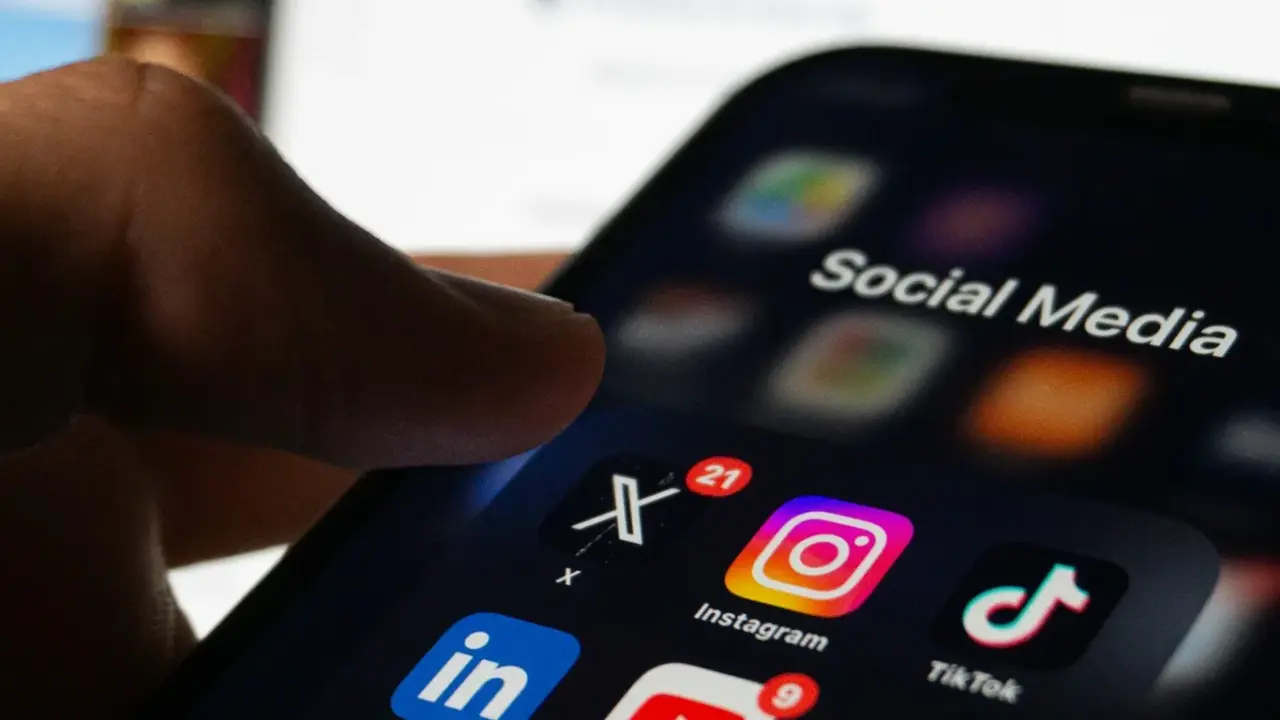
U.S. Senator Ed Markey is pressing TikTok’s newly formed U.S. joint venture and Oracle to explain how they are protecting American users’ personal data and preventing foreign influence over what users see on the platform.
Markey formally asked TikTok USDS and Oracle on Friday to explain how they are safeguarding U.S. user data and stopping foreign entities from influencing videos shown to Americans.
Markey raises national security concerns
The request comes four months after TikTok’s Chinese owner ByteDance finalized a deal to transfer control of TikTok’s U.S. user data and operations to the joint venture TikTok USDS.
Reuters reported that the deal was designed to avoid a U.S. government ban on TikTok, which is used by more than 200 million Americans.
Channel NewsAsia also reported that ByteDance finalized the deal four months ago to move control of the app’s U.S. user data and operations to TikTok USDS in order to avoid a government ban.
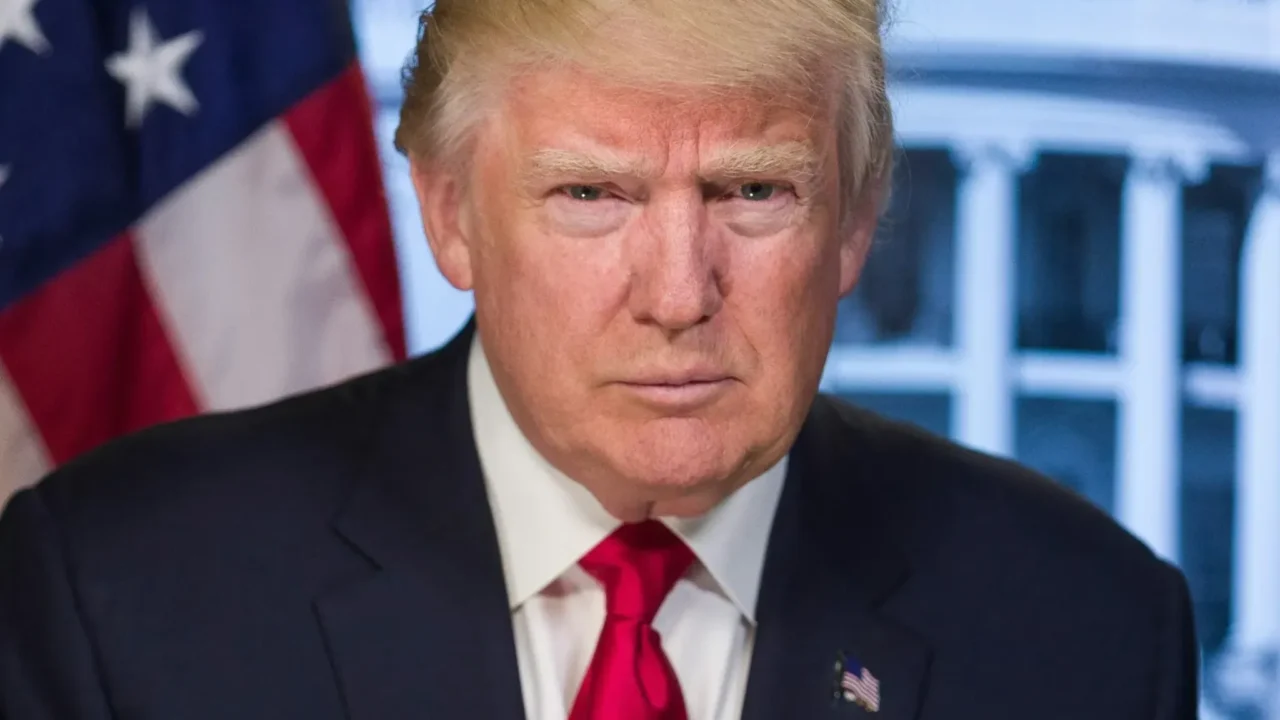
Markey said in letters to Oracle and TikTok USDS that the divestment deal has left Congress and the American people “rightfully wondering” whether President Donald Trump’s TikTok deal is a national security risk.
Oracle’s role draws scrutiny
Oracle is one of the key companies involved in the new TikTok U.S. structure.
Oracle is one of TikTok USDS JV’s three managing investors. It is one of the joint venture’s three managing investors and that TikTok said in January the venture would retrain, test, and update TikTok’s content recommendation algorithm using U.S. user data.
The algorithm is expected to be secured in Oracle’s U.S. cloud. TikTok said the recommendation algorithm would be secured in Oracle’s U.S. cloud.
That makes Oracle’s role central to the arrangement. The company is not only a cloud provider in this structure. It is tied to how TikTok’s U.S. data and recommendation systems will be stored, tested, and protected.
Lawmakers still want more details
Lawmakers remain frustrated by the lack of public information about the TikTok transaction.
Lawmakers have expressed frustration with the lack of details about the deal but have not yet held hearings. Lawmakers have voiced frustration over the lack of detail and noted that hearings have not yet taken place.
The political background is also significant. Trump chose not to enforce a law passed in April 2024 requiring ByteDance to sell its U.S. assets by the following January or face a ban, even though the measure was upheld by the U.S. Supreme Court.
ByteDance ownership remains part of the issue
The ownership structure remains one of the biggest points of scrutiny.
The agreement gives American and global investors 80.1% of the venture, while ByteDance will own 19.9%. American and global investors will hold 80.1% and ByteDance will own 19.9%.
In September, citing sources, that ByteDance would keep ownership of TikTok’s U.S. business operations but give control of the app’s data, content, and algorithm to the joint venture.
That distinction matters because the deal is not simply about ownership percentages. The core issue is whether U.S. user data, app operations, and algorithmic control are separated enough from ByteDance to satisfy national security concerns.
Markey wants answers on algorithm manipulation
Markey is specifically asking for safeguards against foreign-driven algorithmic influence.
Markey asked Oracle and TikTok USDS to release details on how they are protecting against national security risks, including possible Chinese-driven algorithmic manipulation. Markey asked both companies to explain how they are protecting against national security risks, including potential Chinese-driven algorithmic manipulation.
Markey also asked Oracle to detail the contractual terms for reviewing the underlying ByteDance source code.
TikTok, Oracle, and White House have not responded
The companies and the White House have not yet publicly answered Markey’s questions.
TikTok USDS, Oracle, and the White House did not immediately respond to requests for comment.
ByteDance has said TikTok USDS Joint Venture LLC will protect U.S. user data, apps, and algorithms through data privacy and cybersecurity measures. ByteDance has disclosed few details about the divestiture despite saying the joint venture will protect U.S. data, apps, and algorithms.
TikTok deal faces a transparency test
The latest pressure from Markey shows that TikTok’s U.S. restructuring has not ended the debate over the app’s national security risks.
For TikTok, the question is whether the new joint venture can convince lawmakers that American data and the recommendation algorithm are protected from foreign influence. For Oracle, the question is how much responsibility it carries as a managing investor and cloud provider tied to the algorithm and data environment.
For U.S. users, the issue is more basic: whether the platform they use every day is being governed transparently enough to protect their personal data and the videos they are shown.
The deal may have prevented a ban for now, but Markey’s letters show that Washington still wants clearer answers before treating TikTok’s U.S. future as settled.