Britain is considering a new rule that could force major social media platforms to make trusted news sources more visible in users’ feeds and searches, as the government expands its push to regulate online information.
Britain is considering forcing social media companies to prioritize trusted news sources as part of a broader effort to tighten regulation of the sector.
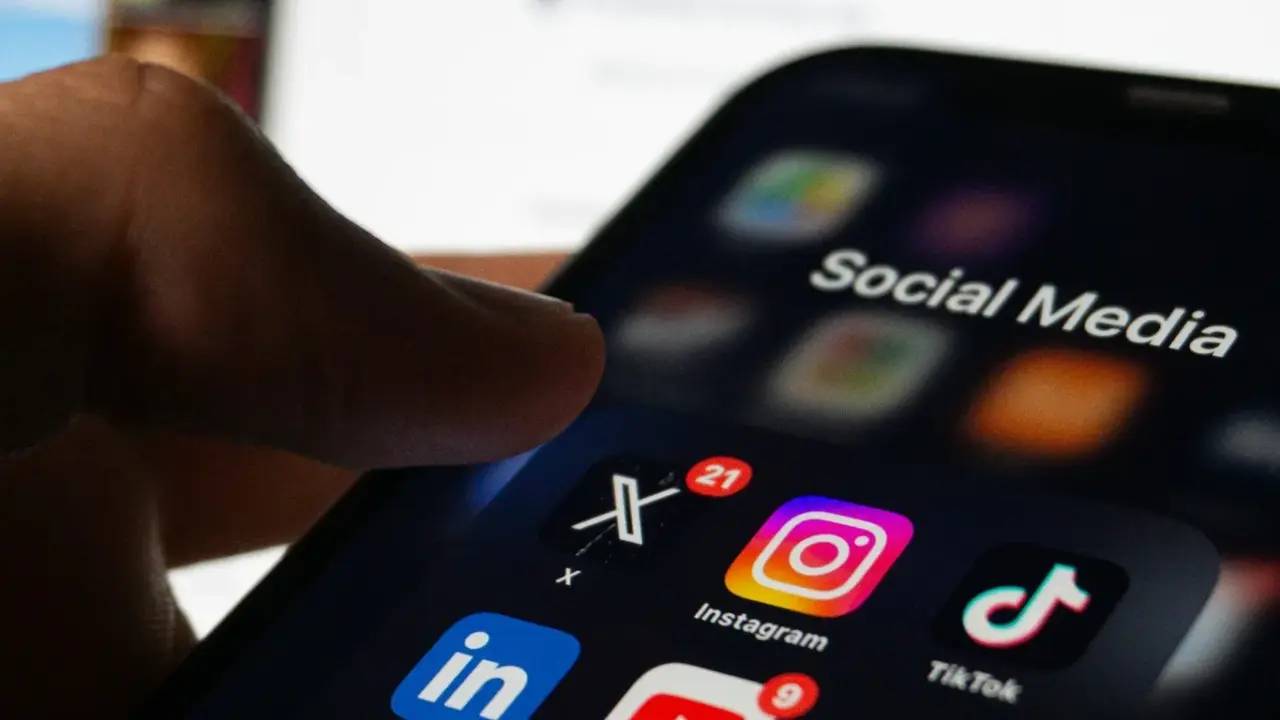
The UK culture department is considering requiring platforms such as Meta’s Facebook, Alphabet-owned YouTube and TikTok to make content from public service media easier to find in users’ feeds and searches.
Public Service Media Could Get Priority
The proposal would cover content from public service media and other trusted news providers.
Reuters reported that the government is looking at whether platforms should make content from the BBC, ITV and Channel 4, along with other trusted news providers, easier to discover in feeds and search results.
The plan suggests that the UK is no longer focusing only on removing harmful content. It is also considering whether platforms should actively boost reliable news sources, especially as more people use social media as a primary way to follow current events.
The Economic Times reported that the proposal would require social media firms to make content from public service media, including the BBC, ITV and Channel 4, and other trusted news providers easier to find.
Ofcom Data Shows Why the UK Is Acting
The government’s concern is tied to how people now consume news. Data from media regulator Ofcom showed social media has become a main source of news for a majority of UK adults and for around three-quarters of younger people aged 16 to 24.
Misinformation is also part of the policy argument. Separate Ofcom research from 2024 found that four in 10 UK adults had encountered misinformation in a single month, with most of it online. That figure gives the proposal a public-interest framing: if misinformation is mostly encountered online, the government may argue that platforms should make verified news easier to find.
UK culture minister Lisa Nandy defended the idea in strong terms. Nandy said that it is vital for people to have better access to trusted and accurate news and for regulated public service media to be visible in the fight against mis- and disinformation.
Platforms May Push Back
The plan could face resistance from social media companies because it may affect how platforms rank content. Any move to influence how platforms rank content is likely to face scrutiny from social media firms, which argue that such rules could override user choice and disadvantage other creators.
That concern goes to the heart of platform design. Social media feeds are usually built around engagement, personalization and user behavior. A rule that gives trusted news providers greater visibility could change what users see, particularly during breaking news events or public crises.
Part of a Wider UK Media Overhaul
The trusted-news proposal is not happening in isolation. It comes one week after the UK government announced a ban on under-16s using most social media platforms.
The measure is also part of a larger public service media reform agenda. Ministers are considering widening public service media status to include online-only providers, extending free-to-air protections for major sporting events to on-demand viewing, and consulting on a shift to internet-based TV from 2034 or 2044.
If adopted, the proposal could reshape the relationship between social media platforms and news publishers in the UK. It may help regulated news providers compete for visibility, but it could also trigger a larger debate over who decides what counts as trusted news and how much power governments should have over social media algorithms.