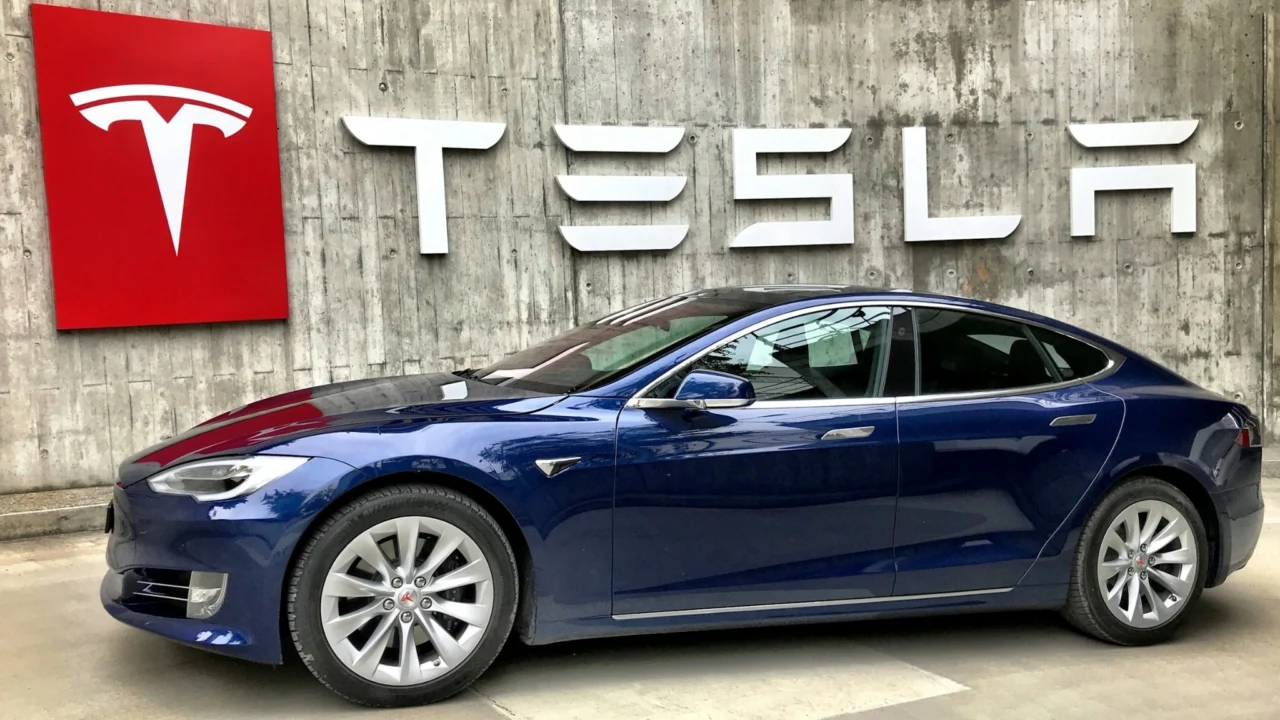
U.S. auto safety regulators are moving toward possible new rules for vehicle door systems after safety concerns involving flush, electronically operated handles like those used in Tesla vehicles raised questions about whether passengers can escape quickly after a crash or power failure.
NHTSA Opens Door to Rulemaking
The National Highway Traffic Safety Administration is not immediately creating a new standard, but it is beginning the process of studying whether one is needed.
TechCrunch reported that NHTSA granted a petition for rulemaking tied to emergency vehicle exit systems, while emphasizing that granting the petition does not automatically mean a new safety standard will be issued.
Bloomberg’s report framed the move as a federal response to concerns that some modern electronic handles can make post-crash exits more difficult when vehicles lose power.
The agency acted after a petition focused on Tesla’s emergency door release design. The petition asked NHTSA to open a safety defect investigation into the emergency mechanical door release design on 2022 Tesla Model 3 vehicles. Tesla door-handle incidents have become part of a wider policy debate over whether existing rules are enough for electronically operated doors.
Defect Probe Denied, Broader Rules Considered
NHTSA did not take the exact action the petitioners wanted. NHTSA denied the requested defect investigation and said the issue would be better handled through rulemaking rather than a company-specific defect probe. That distinction matters because a defect investigation would focus on Tesla, while a new safety rule could apply to all automakers using electronic or hidden door systems.
If new rules are adopted, all automakers would need to follow them.
Bloomberg reported that the regulatory push follows fatal incidents involving Tesla vehicles, making the issue broader than styling or convenience.
Power Failures Raise Entrapment Concerns
The safety concern centers on what happens when a vehicle loses electrical power. Tesla vehicles have manual door releases, but those releases are located inside the vehicle. NHTSA’s initial review found the handles may not work if electronic door locks do not receive enough voltage from the vehicle’s battery system.
The issue has been especially sensitive in crash scenarios. Investigations into Tesla crashes found cases where occupants or rescuers were reportedly unable to open doors after power loss and fire-related crashes. The new rulemaking process follows fatal and nonfatal incidents involving occupants becoming stuck inside cars with electronic flush handles.
Earlier Tesla Probe Adds Pressure
The rulemaking step follows earlier scrutiny of Tesla door systems.
TechCrunch reported that NHTSA opened an investigation less than a year ago into Tesla door handles after receiving nine reports from owners who could not get into their cars, sometimes with children still inside.
Tesla has already signaled that changes may be coming. Tesla design chief Franz von Holzhausen said last year that the company was working on a redesign of its door handles. Rivian said it was changing the interior door handle design on its R2 SUV to make the manual release more visible and closer to the electric handle.
Design Convenience Meets Safety Regulation
Flush electronic handles have become common in electric vehicles because they can improve styling, aerodynamics and the futuristic look of a car. But the NHTSA move shows that design convenience may face stricter limits when it affects emergency exits.
The next phase will depend on public comments, safety data and NHTSA’s assessment under vehicle safety law. The agency may still decide not to issue a new rule. But the issue has already shifted from isolated complaints about Tesla handles to a broader question for the auto industry: every door system must work not only when the car is operating normally, but also when a crash, fire or power failure makes escape urgent.