The United States is moving to speed up the development and use of artificial intelligence for national security, signaling a deeper push to bring advanced AI systems into defense, intelligence, and military operations.
The White House said Friday it would accelerate AI development and use for national security applications, while stressing that the technology should not be used for unlawful surveillance.
The move comes as security concerns grow in Washington over powerful new AI systems and their possible role in military, cyber, intelligence, and surveillance activities.
Trump says AI use must align with American values
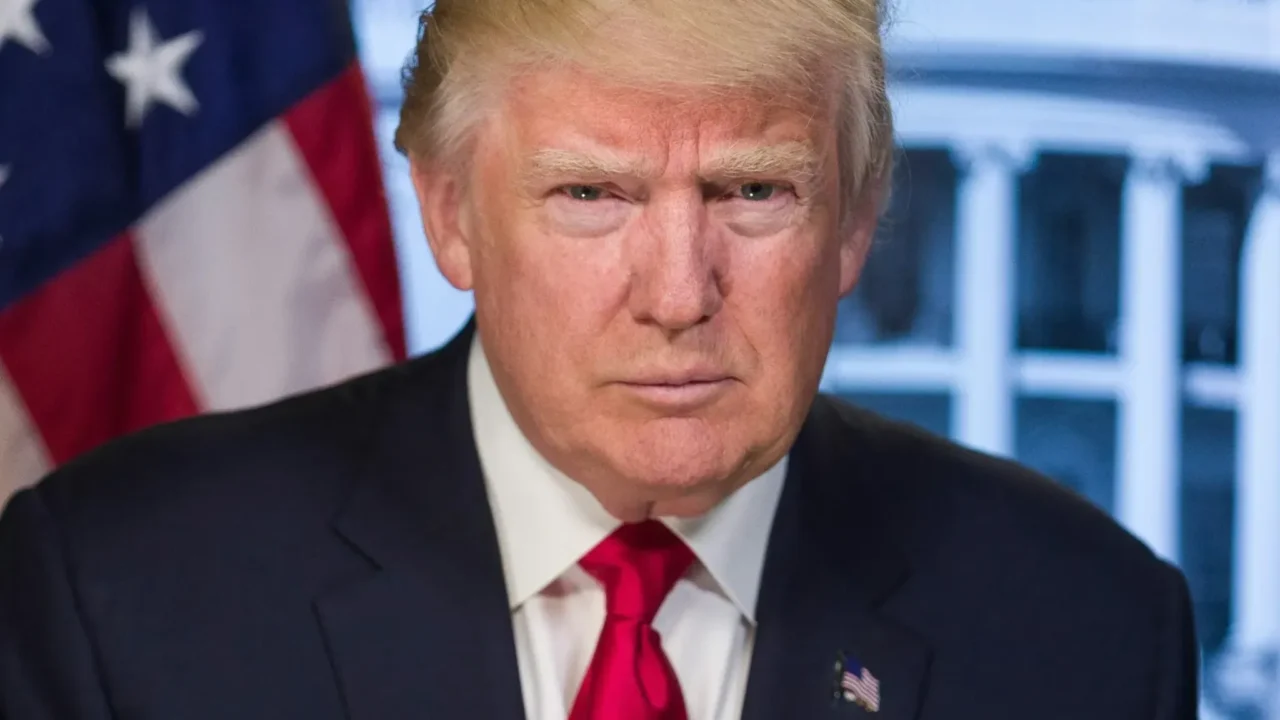
In a national security memorandum, President Donald Trump said the United States can responsibly accelerate the use of AI across intelligence and warfighting domains.
According to Reuters, Trump said the use of AI should remain in line with American values, language that attempts to position the policy as both a national security initiative and a responsible technology framework.
The memorandum also stated that AI technologies should not be developed or used by the national security enterprise to censor free speech or conduct unauthorized or unlawful surveillance activities.
That detail is significant because AI tools can be used in many sensitive government functions, including intelligence analysis, cybersecurity, autonomous systems, logistics, and surveillance. The White House is therefore trying to accelerate adoption while drawing boundaries around politically sensitive uses.
Hegseth given 90 days to update weapons directive
A major part of the memorandum focuses on autonomous weapons systems.
Trump gave Defense Secretary Pete Hegseth 90 days to update an existing directive on the autonomy of weapons systems.
The goal, according to the memorandum, is to ensure the deliberate adoption of AI systems that respect the chain of command.
This means the administration wants AI to move faster into military use, but not in a way that bypasses formal command structures. The reference to chain of command is important because one of the biggest concerns about military AI is whether machines could influence or automate decisions that should remain under human authority.
Kratsios points to multiple AI vendors
Michael Kratsios, director of the White House Office of Science and Technology Policy, said the memorandum would accelerate AI adoption from multiple vendors.
According to The Economic Times, Kratsios wrote that the policy aims to prevent single points of failure and ensure that no entity can disable or degrade an AI system that warfighters depend on without prior approval.
That statement points to a growing government concern: relying on one AI company, one model, or one vendor could create operational risk. If a private provider changes policies, limits access, or disables a system, national security agencies could face serious disruptions.
The multiple-vendor approach suggests that Washington wants more control and redundancy as AI becomes more important to military and intelligence operations.
Anthropic dispute adds context to the policy shift
The memorandum comes after a clash between AI company Anthropic and the Pentagon.
Pentagon placed a formal supply-chain risk designation on Anthropic in March after the company refused to back down from bans on using its Claude AI to power autonomous weapons and mass U.S. surveillance.
The Pentagon argued it should be able to use the technology as needed as long as it complied with U.S. law.
The designation was an unusual rebuke of an American technology company that the Pentagon had relied on to support military operations, including in Iran.
Anthropic did not immediately respond to a request for comment on the memorandum or on a meeting with AI executives that Trump said he planned to host as soon as next week.
AI becomes a national security priority
The latest memorandum shows how quickly AI has moved from a commercial technology race into a national security priority.
For the Trump administration, the message is clear: AI will play a larger role in intelligence, defense, and warfighting, but the government wants clearer authority over how these systems are tested, adopted, and maintained.
The policy also raises difficult questions. Faster AI adoption may give the U.S. military and intelligence community stronger tools, but it also increases pressure to define safeguards around autonomous weapons, surveillance limits, vendor control, and human oversight.
As Washington pushes AI further into national security operations, the next debate will likely focus not on whether the government will use AI, but how much control humans, private companies, and federal agencies should each have over the systems that may shape future defense decisions.