
A bipartisan pair of U.S. House lawmakers has released a draft bill that would limit how states regulate artificial intelligence, setting up another national debate over whether AI rules should be handled mainly by Washington or by individual states.
The draft legislation was released by Democratic Representative Lori Trahan and Republican Representative Jay Obernolte. The proposal would prohibit states from passing laws “targeting artificial intelligence model development,” including requirements that AI companies test their models before making them available to the public.
However, the draft does not fully remove state authority over AI. The proposal would still allow states to regulate how AI technology is used, creating a distinction between the development of AI models and the deployment or application of AI systems in real-world settings.
Trahan and Obernolte said the measure is intended to create a national framework that protects Americans, supports innovation, and ensures that the United States leads in shaping AI technology.
Obernolte says draft is open for feedback
Obernolte said the lawmakers are releasing the draft so stakeholders, experts, and the public can give input before the bill is formally introduced.
The proposal comes as Congress has struggled for years to pass comprehensive AI legislation. While lawmakers from both parties have expressed concern over AI safety, privacy, discrimination, and national security risks, federal legislation has repeatedly moved slowly compared with state-level activity.
That gap has led several states to pursue their own AI rules. Supporters of state regulation argue that states have been faster in responding to risks involving automated decision-making, consumer harms, and the use of AI in sensitive areas such as hiring, housing, lending, education, and healthcare.
ACLU warns against blocking state protections
Civil-rights groups criticized the draft, warning that federal preemption could weaken existing and future protections.
The American Civil Liberties Union said the draft bill would largely prohibit states from regulating AI developers. The group also warned that it could block states from enforcing current protections and from creating new rules, including privacy regulations, anti-discrimination requirements, and AI safety laws.
Jina John, senior policy counsel for AI, privacy, and technology at the ACLU, said the draft fails to learn from previous congressional attempts to block state AI regulations. She argued that states must be able to protect their residents from harm, hold technology companies accountable, and ensure that AI is safe and trustworthy.
The ACLU also noted that Congress has previously rejected efforts to preempt state AI rules, including a Senate vote last year against an amendment that would have created a 10-year moratorium on state AI regulation.
Tech industry backs national standard
While advocacy groups pushed back, the technology industry welcomed the draft. The Information Technology Industry Council, which represents major tech companies, said Congress should set a national standard that enables responsible AI development, deployment, and adoption across the U.S. economy.
Reuters reported that Public Citizen also criticized the proposal, saying it would leave oversight mostly to a federal government that has repeatedly failed to pass meaningful AI protections. The group said the bill does not address issues such as algorithmic discrimination, housing discrimination, employment discrimination, consumer fraud, youth mental health harms, AI companions, deepfake exploitation, and growing market concentration.
AI policy debate widens under Trump
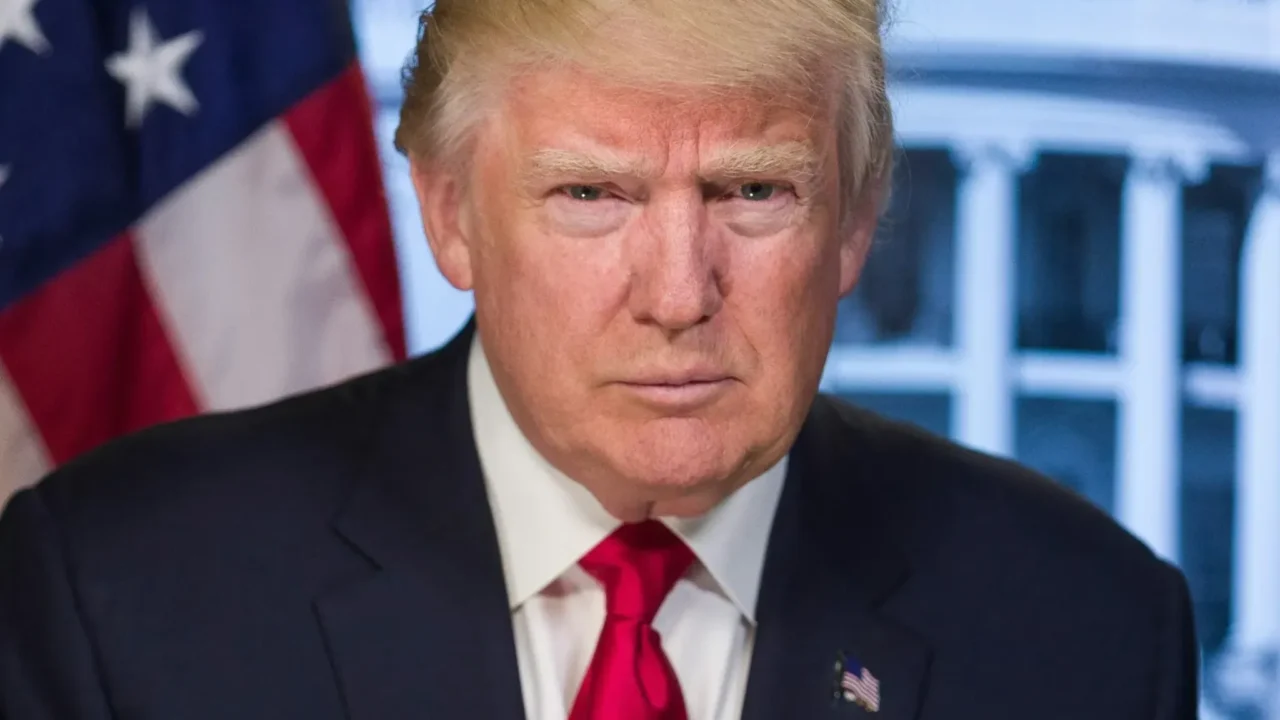
The draft bill also comes amid a broader push by President Donald Trump’s administration to preempt state AI rules. The White House urged lawmakers in March to pass legislation preventing state-level AI regulation.
Earlier this week, Trump signed an order asking leading AI developers to voluntarily submit their most capable models for government cybersecurity testing before public release. U.S. agencies would have up to 30 days to test the models before they are released outside the government.
The debate is unfolding as AI remains a major driver of the technology sector, with companies such as Amazon, Meta, Alphabet, and Microsoft investing billions of dollars in the field, while Nvidia has become the world’s largest company amid demand for AI chips.
The draft bill has not yet been formally introduced, but it already shows the central question facing U.S. AI policy: whether the country should rely on one federal standard or preserve state power to regulate fast-moving AI risks.