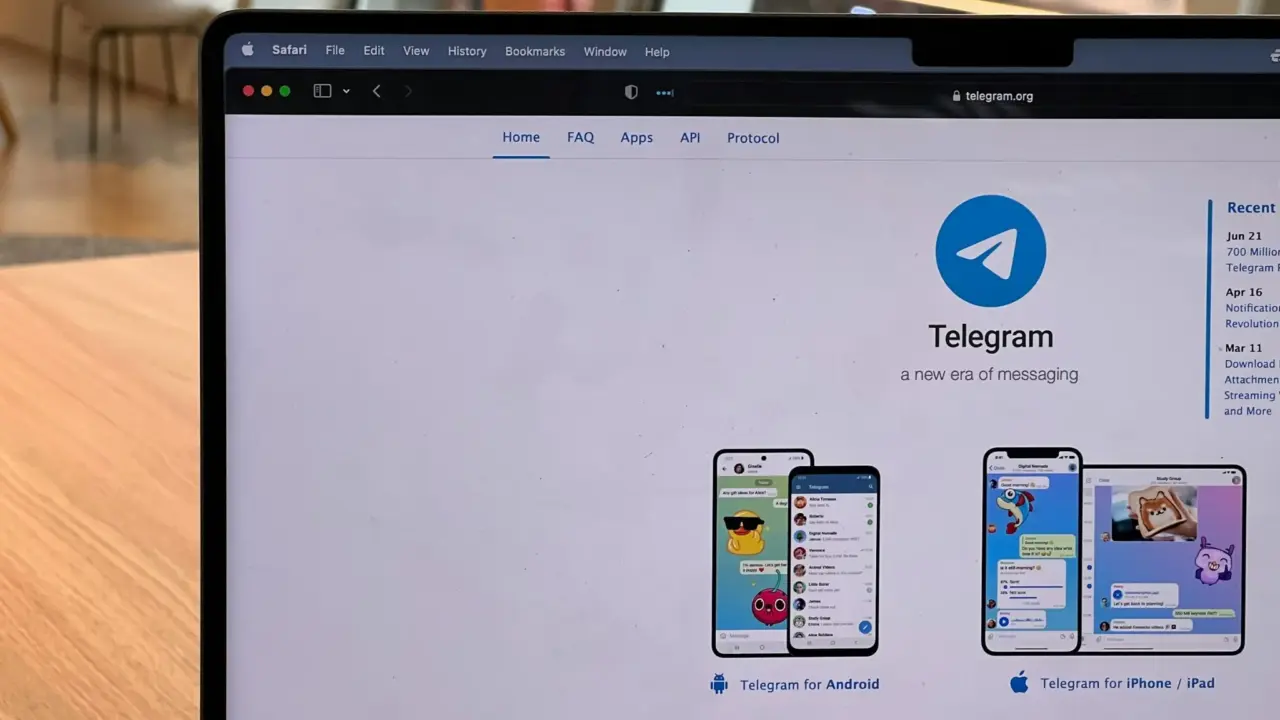
India’s temporary restriction on Telegram has triggered a fast shift in user behavior, with people turning to VPN services and rival messaging apps after the government blocked access to the platform over exam fraud concerns.
India cut off access to Telegram for a week over concerns about exam-related fraud, leading users to download virtual private networks and alternative messaging apps in unusually large numbers.
PCMag also reported that VPN use spiked in India following the Telegram ban, reflecting the same broad trend of users looking for ways to stay connected despite the restriction.
VPN Downloads Rose After the Telegram Block
The clearest sign of the reaction came from app-store activity.
TechCrunch reported that app intelligence firm Appfigures said Tuesday, the day India announced the Telegram restriction, became the biggest day for VPN app downloads in the country since at least the start of 2025. Downloads of major VPN apps rose 49%, moving from a recent daily average of 139,000 to 208,000.
Several VPN providers saw sharp increases. Proton VPN downloads on Apple’s App Store in India jumped 113%, while Turbo VPN downloads rose 85%.
Proton VPN downloads on Google Play climbed 64%, Turbo VPN increased 35%, NordVPN’s App Store downloads rose 41%, and ExpressVPN downloads on Google Play increased 31%.
The increase was also visible in rankings. Proton VPN moved from 18th to 5th in Apple’s Utilities rankings between June 16 and June 18, while its Google Play ranking rose from 8th to 2nd in the Tools category.
VPN Providers Saw Registration Spikes
The surge was not limited to downloads. Proton VPN said daily registrations from India rose 120% above baseline levels on Wednesday, after hourly registrations had already jumped 150% on Tuesday evening following the Telegram restriction.
Windscribe also reported higher demand. Windscribe signups from India peaked roughly 100% above baseline levels, while first-time downloads of its iOS app in the country rose about 89%. Surfshark saw a roughly 30% increase in connectivity from India after the restriction was announced.
Rebecca Rosenberg, growth operations manager at Windscribe, shared that the spike followed the same general trend seen in places that ban specific apps, introduce age bans or verification requirements, or otherwise restrict internet access. Laura Tyrylyte, a privacy advocate at NordVPN, also shared that VPN demand often rises after platform restrictions because users quickly look for alternatives when access to a tool they rely on is removed.
Rival Messaging Apps Gained Attention
The Telegram restriction also pushed users toward other messaging platforms. Signal downloads in India rose 72% on Apple’s App Store and 322% on Google Play after the restriction. Viber’s App Store downloads increased 216%.
One Telegram-linked app saw an especially large jump. iMe’s Google Play downloads rose from a recent daily average of about 827 to 50,900 on June 16.
Exam Fraud Concerns Triggered the Restriction
The government tied the block to exam security. India temporarily restricted Telegram until June 22 over concerns that fraudsters were using the app to target candidates before a re-test for the National Eligibility cum Entrance Test, or NEET undergraduate exam. The Indian government argued that the restriction was needed to prevent fake exam papers and related scams from spreading.
Telegram challenged the restriction in court. Telegram argued authorities should target specific content instead of blocking the entire platform. However, the Delhi High Court upheld the temporary restriction.
Users Tried to Reach Telegram Anyway
The data suggests that many users did not simply stop trying to use Telegram. Sensor Tower said Telegram’s daily active users in India rose 17% on the day the restriction was announced. Cloudflare Radar saw DNS requests for Telegram domains in India increase sharply over the two days after the measure was announced.
Telegram also pointed to its cooperation with authorities. Telegram’s lawyers said the company had removed channels identified by authorities and questioned the need for a platform-wide restriction affecting what Telegram says are over 150 million users in India.
The Telegram restriction shows how quickly users react when a widely used platform is blocked. Instead of disappearing from the app, many users searched for VPNs, tried rival messaging services, and repeatedly attempted to reconnect.
The case also raises a larger question for governments: whether blocking an entire platform is the most effective way to address specific online abuse, especially when users can quickly move to workarounds.