
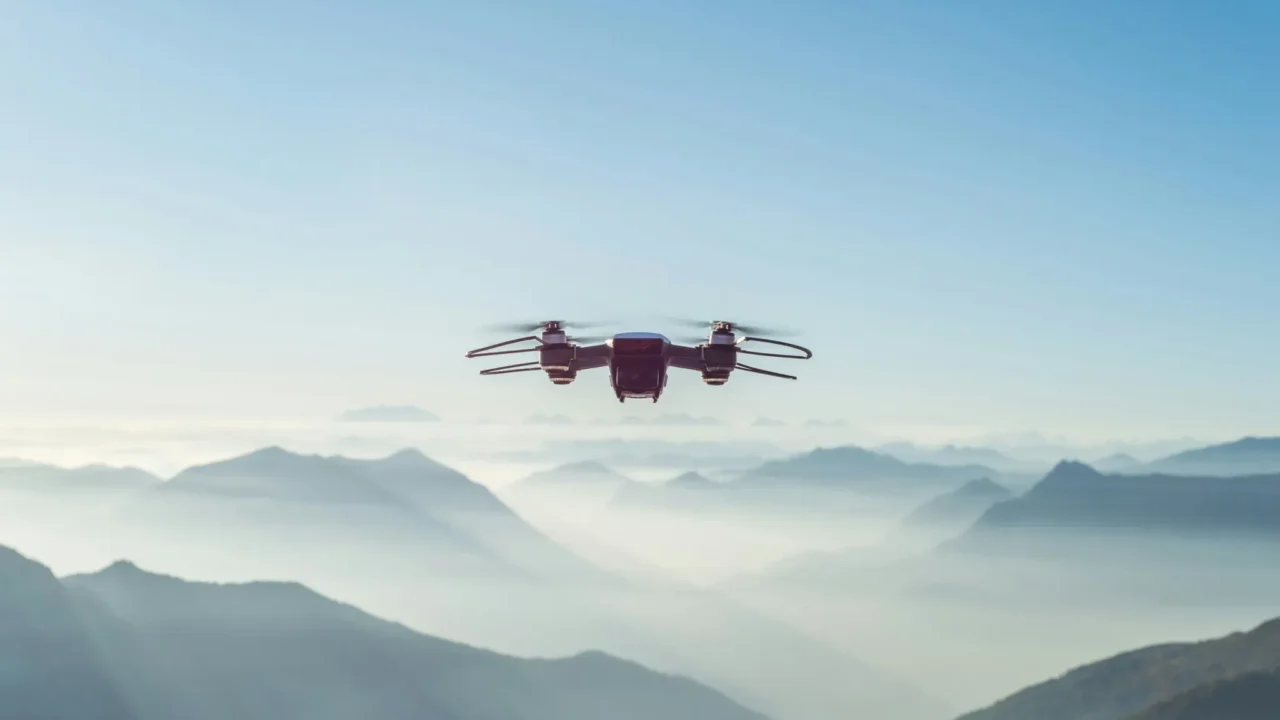
Drone delivery is revolutionizing the way goods are transported and delivered by using unmanned aerial vehicles (UAVs). This innovation promises to reduce costs, expedite delivery times, and reach remote locations that are otherwise challenging to access. In recent years, drone delivery has gained significant momentum, with over 660,000 commercial drone deliveries made to customers by early 2022. By mid-2023, this number had swelled to over 500,000 globally, indicating that drone delivery is on track for a record-breaking year. Despite this rapid growth, regulatory, technical, and environmental challenges persist. Yet, a host of forward-thinking companies and organizations continue to pave the way for new applications of drone technology.
Pioneering Companies in Drone Delivery
Several organizations are leading the charge in drone delivery, exploring innovative use cases and optimizing for speed, distance, payload capacity, safety, reliability, and customer satisfaction. Let’s delve into the efforts of some key players:
- Drone Bar aims to offer on-demand drone delivery of drinks to beachgoers and golfers, enhancing vendor sales and customer satisfaction. They use a three-part system, DroneKIT, for drone charging, landing pad coordination, and online ordering.
- Amazon Prime Air is focused on delivering small packages to customers within 30 minutes using drones. After securing FAA approval in 2020, Amazon has expanded real-world testing across the United States.
- Alphabet’s Wing has been delivering food, medicine, and retail items in Australia since 2019. They’ve also launched drone delivery services in Finland and the United States.
- Zipline designs drones to deliver critical medical supplies to remote regions, with operations in Africa since 2016 and the U.S. since 2020. Their service has saved thousands of lives by providing rapid, on-demand delivery.
- JD.com, China’s largest online retailer, pioneered drone delivery to rural areas in 2016, and launched the first government-approved drone delivery project in Indonesia in 2019.
Beyond these major players, companies like Domino’s, UPS, DHL, and Walmart have also piloted drone delivery programs to evaluate the technology’s potential. While these innovators are making strides, they still face regulatory, technical, and environmental hurdles.
Navigating Regulatory Challenges
Commercial drone delivery operates within a complex regulatory environment, with varying rules across countries and jurisdictions. The Federal Aviation Administration (FAA) in the U.S. mandates commercial drone operators to obtain a Remote Pilot Certificate (Part 107), requiring aeronautical knowledge tests and TSA vetting. FAA restrictions include a 55-pound weight limit, 400-foot altitude cap, visual line-of-sight requirements, and limitations on flying over people and moving vehicles.
Similarly, in the U.K., commercial drone operators must adhere to the Civil Aviation Authority’s (CAA) Drone Code, limiting drone flights to 400 feet and maintaining a distance from people and property. Other countries like Australia, China, and Indonesia also have their own regulations, which require pilots to obtain licenses or permits and follow strict operational conditions.
This inconsistent regulatory landscape complicates drone delivery companies’ ability to scale internationally. The lack of unified global regulations increases costs, risks, and complexity. Simplifying and harmonizing regulations across regions could make it easier to expand drone delivery services.
Tackling Technical Challenges
Technical challenges also pose significant risks to drone delivery. Drones are prone to mechanical defects, software errors, cyberattacks, or collisions due to obstacles, birds, or other drones. Such issues can lead to accidents that cause injury or property damage.
To address these challenges, drone technology must improve in several areas. Sensors and algorithms need to better detect obstacles, navigate complex environments, and manage unexpected situations. Communications systems must be reliable and secure to coordinate with air traffic systems. Safety features like parachutes or safety nets can mitigate risks during delivery. These technical improvements are necessary to ensure that drones operate safely and efficiently in real-world conditions.
Coping with Environmental Challenges
Environmental conditions further complicate drone delivery. Rain, wind, snow, and ice can impact drone performance, reduce visibility, and disrupt communication signals. Strong winds may destabilize drones, while rain and snow add weight and reduce battery life.
To overcome these challenges, drone designs should be resilient enough to withstand diverse weather conditions. This can be achieved through advanced materials, coatings, and enhanced power systems. By making drones more robust, they can operate reliably in various environments, ensuring delivery success even in adverse weather.
The Future of Drone Delivery
While regulatory, technical, and environmental challenges persist, the future of drone delivery looks promising. A report by Mordor Intelligence estimates that the global delivery drones market could grow from USD 1.97 billion in 2023 to USD 11.66 billion by 2028, with a projected CAGR of 42.65%. To reach these heights, the industry needs to address regulatory inconsistencies, refine technical aspects, and improve drone resilience.
If these obstacles are overcome, drone delivery can achieve its full potential, revolutionizing logistics and providing efficient, fast, and flexible delivery services. The road ahead is promising, and with continued innovation and problem-solving, drone delivery can truly take flight.