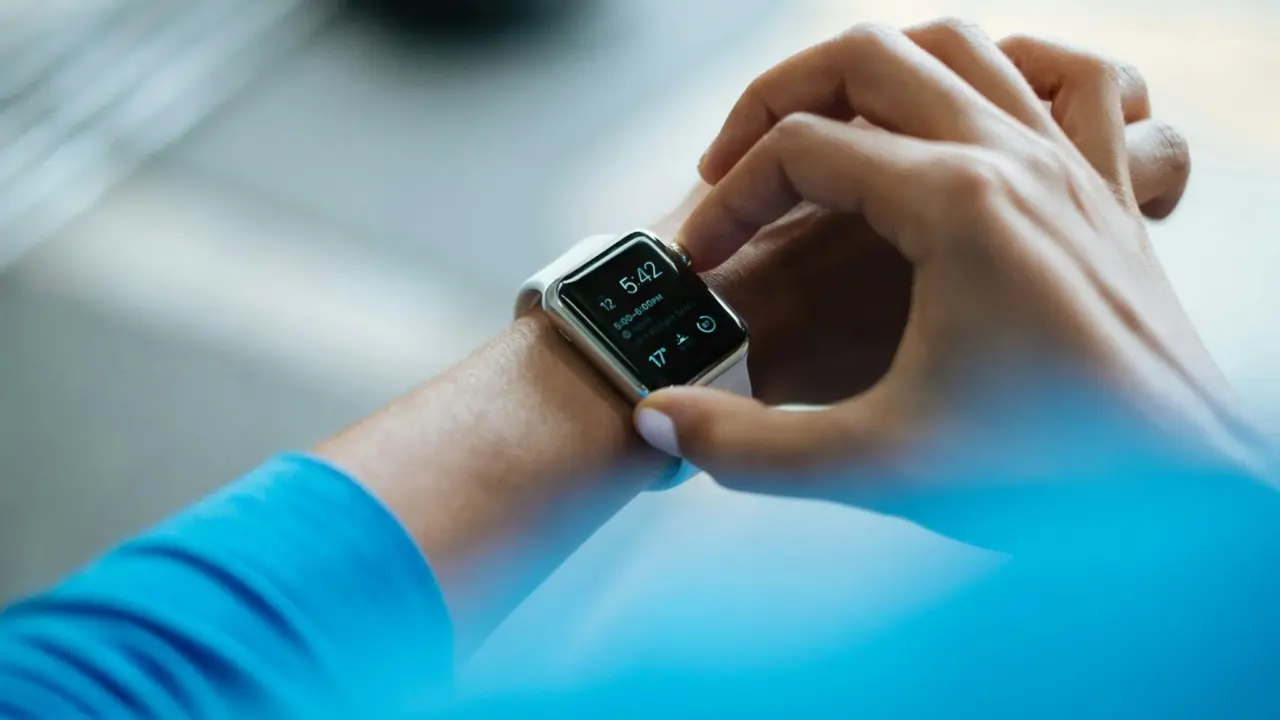

A wristband can notice an irregular pulse. Motion sensors can detect a fall, a change in sleep, or an unusual lack of movement. A GPS device can help locate someone with memory problems before they become lost.
For older adults who want to remain at home, continuous monitoring can provide security without requiring permanent residence in a care facility. Yet the same technology can transform an ordinary home into a place where movement, sleep, medication, heart rate, bathroom visits, and location are repeatedly recorded.
Privacy risks are not unique to older users, but aging can make those risks harder to recognize, explain, resist, or reverse. Cognitive changes, limited familiarity with digital systems, and dependence on relatives or caregivers may leave an older adult technically “monitored for safety” while having little practical control over the resulting data.
Health Protection Requires Constant Data Collection
Wearable and home-based monitoring systems can combine information from smartwatches, biosensors, cameras, door sensors, smart speakers, and artificial intelligence. Their value often depends on collecting enough information to identify changes from a person’s normal routine.
A 2026 review covering 333 peer-reviewed studies found that AI-powered wearables are increasingly used for real-time health monitoring, fall detection, and predictive analysis in older-adult care. The review warned that continuous biometric collection allows systems to infer health conditions beyond what users may have understood when they originally agreed to monitoring.
A device may begin by measuring steps or heart rate but later contribute to conclusions about frailty, sleep disturbance, cognitive decline, emotional state, or medication adherence. Such inferences can be useful clinically, yet they also expand the meaning of consent. Agreeing to one measurement does not necessarily mean agreeing to every conclusion an algorithm might later draw from it.
Older Adults Want Safety Without Losing Control
Older adults are not uniformly opposed to monitoring. Many are willing to exchange some privacy for independence, emergency assistance, or better communication with healthcare professionals. Their acceptance, however, often depends on what is measured and who receives it.
A study of 119 older adults using unobtrusive home sensors found that more than 72% accepted monitoring and were willing to share information with doctors or relatives. At the same time, 60% reported privacy or security concerns, and those concerns increased after participants had lived with the system for one year.
That change suggests direct experience can make hidden implications more visible. A sensor may initially appear harmless, but users may later recognize that repeated observations can reveal when they sleep, leave the house, use the bathroom, or receive visitors.
A 2025 focus-group study identified privacy, unwanted digital reminders, doubts about accuracy, difficulty using devices, and interest in personal health monitoring as five central themes among older adults discussing wearables.
The tension is not simply between people who welcome technology and those who reject it. The same person may want fall detection but oppose location tracking, accept heart-rate monitoring but reject cameras, or share information with a physician while refusing access to insurers or extended family.
Caregiver Access Can Become Unwanted Surveillance
Continuous monitoring frequently involves more than the person wearing the device. Adult children, nurses, doctors, technology providers, and emergency responders may receive dashboards or alerts.
A South Korean study involving 170 older adults found that participants were more comfortable sharing monitored information with relatives and hospitals than with researchers, government agencies, or insurance companies. Thirteen-and-a-half percent did not want their information shared with anyone, while willingness also differed according to whether the data involved vital signs, medication, or toileting.
Access can be justified as necessary for safety, particularly when an older adult is at risk of falling or becoming disoriented. Yet a caregiver’s desire for reassurance does not automatically remove the monitored person’s right to private movement.
Interviews with people living with dementia and their family caregivers found that many strongly opposed permanent GPS tracking because it could feel patronizing and reveal ordinary decisions about where someone shops or whom they visits. Some participants said they would accept less safety rather than surrender continuous control over their location.
This creates a difficult ethical problem. Monitoring may extend independent living, but it can also make independence conditional on being observable.
Consent Can Weaken as Health Conditions Change
Traditional consent assumes that a person understands the system, its risks, and the available choices. Continuous monitoring complicates that model because devices, software, data recipients, and analytical capabilities can change after installation.
Cognitive decline adds another layer. A person may originally accept a sensor system but later become unable to remember what it collects or how to withdraw permission. Family members may then make decisions on their behalf, sometimes prioritizing safety or convenience over previously expressed privacy preferences.
A user-centered study of smart-home monitoring for households affected by dementia identified informed consent, cybersecurity, autonomy, social isolation, and the risk of technologies being used on people rather than by them as significant ethical concerns.
Consent should therefore be treated as an ongoing process. Systems should periodically explain what they record, allow permissions to be revised, and preserve earlier instructions about data access if the user’s decision-making capacity later declines.
Older Users May Struggle to Use Existing Protections
Privacy settings are useful only when people can find and understand them.
A two-stage study involving a survey of 22 adults aged 65 and older and interviews with nine participants found that 63.64% were seriously concerned about unauthorized access to health information. Although 81.82% knew about protections such as encryption and two-factor authentication, only 13.64% felt confident that existing safeguards were adequate.
Participants described confusing data-sharing rules and complicated security controls, while some responded by restricting features, depending on relatives or professionals, or disengaging from the technology.
Relying on relatives for setup may solve a usability problem while creating another privacy risk. The helper may gain account passwords, dashboard access, or the power to change permissions without clear limits.
Current Rules Rarely Address Age-Specific Vulnerability
The law may treat biometric data as sensitive without recognizing how aging changes a person’s ability to manage that information.
The 2026 review of 333 studies found no major regulatory system with comprehensive protections designed specifically for older adults using AI-powered health wearables. It described European protections as comparatively rights-based, the United States as dependent on fragmented sector-specific rules, and Asia-Pacific approaches as highly uneven.
A separate review of ethical and legal research concluded that health-monitoring wearables raise unresolved concerns involving autonomy, justice, personal data, patient safety, and the possible dehumanization of care.
Meaningful protection requires more than a privacy notice. Older users need simple controls, limited default collection, visible records of who accessed their data, and the ability to pause monitoring without losing every other feature.
Continuous health monitoring can help people remain independent, detect emergencies, and share useful patterns with clinicians. Its success, however, should not be measured only by how much information a device can collect.
The better measure is whether older adults remain participants in their own care rather than becoming passive sources of data. Technology should watch for danger without quietly taking ownership of the life it observes.