Before trying a new restaurant, booking a hotel, buying a phone case, choosing a dentist, downloading an app, or ordering from a store you have not used before, most people do the same thing: they check the reviews. A few stars, some comments, and even one bad experience from a stranger can quietly decide where we spend our money.
Online reviews are now like asking a friend, “Is it worth it?” The difference is that the friend is now a group of strangers. Some reviews are helpful, some are dramatic, some seem too enthusiastic, and some sound like legal complaints about cold fries. Still, we read them because they offer something marketing cannot always give: the sense that someone else has already tried it.
The Internet Turned Strangers Into Shopping Advisers
Traditional word of mouth used to depend on people we knew. A neighbor recommended a repair shop. A friend suggested a hotel. A coworker warned against a bad restaurant. Online reviews expanded that circle dramatically.
A 2024 meta-analysis of online reviews and purchase intention found that online reviews’ influence on purchase intention has become a major area of consumer behavior research, and the study analyzed 156 studies with 214 effect sizes and 69,006 observations. The same meta-analysis found that all reviewed antecedents significantly affected purchase intention, with review valence showing the strongest effect at r = 0.563.
This means the tone of reviews matters. A product with mostly positive comments feels safer. A hotel with lots of complaints about cleanliness is harder to book. A gadget with five stars but only vague praise can still feel risky. The review section is more than just information. It is social proof.
Stars Became a Shortcut for Trust
Star ratings are powerful because they make decisions easier. Instead of reading every detail, people can just look at the average rating to decide if something is worth more attention. Five stars mean “safe.” Three stars mean “read carefully.” One star means “get ready for problems.”
But star ratings work best when people believe the system behind them is fair. A study on reviews, trust, and customer experience in online marketplaces found that online reviews are a form of digital word-of-mouth and have become an essential part of the consumer purchasing decision process. The same study found that high-quality reviews positively influence trust, while fake review perception negatively affects trust in rating systems.
This is why people do not trust star ratings alone. A 4.8 rating looks good, but the comments explain the reasons behind it. Are people happy about fast delivery, honest photos, good service, durability, or just the packaging? The stars catch your eye, but the comments are what convince you.
We Read Reviews Because Buying Online Feels Risky
Reviews matter because online shopping took away the chance to check things in person. You cannot touch the fabric, smell the room, taste the food, or see if a gadget feels cheap. Reviews help lower that uncertainty.
The Frontiers study explains that trust in reviews helps reduce the risk of purchasing products or services online without physical inspection. The same paper says online reviews are based on consumers’ direct experience with a product and play a crucial role in shaping perceptions and decision-making processes.
This is why review sections are often more convincing than product descriptions. A brand may say a bag is spacious, but a customer saying it fits a laptop, charger, umbrella, and water bottle feels more useful. A hotel may advertise “quiet rooms,” but a guest complaining about hallway noise at 2 a.m. feels more believable.
Negative Reviews Often Speak the Loudest
Most people do not read all reviews the same way. They look at the best ones, then quickly check the worst ones. That instinct makes sense. Negative reviews show possible dealbreakers.
Pew Research Center found that 54% of Americans who read online reviews pay more attention to extremely negative reviews when making decisions, while 43% pay more attention to extremely positive ones. Pew also reported that 51% of online review readers believe reviews generally give an accurate picture of true product quality, while 48% say it is often hard to tell if reviews are truthful and unbiased.
That split shows how people really use reviews. We trust them, but with caution. One angry review might not stop a purchase, but if three people mention the same problem, it probably will. The real question is not “Is every review true?” but “Are there patterns?”
Reviews Are Also Entertainment Now
There is another reason people read reviews: they are often entertaining. Restaurant reviews can sound like short stories. Hotel reviews can turn into travel warnings. Product reviews might include photos, jokes, measurements, personal stories, and even emotional confessions.
This makes reviews feel more real than advertising. A stranger’s very specific complaint about a tiny shampoo bottle might not matter to you, but it feels honest. A long review with photos of a gadget after six months of use feels like real proof. The casual tone makes the review section feel like a public conversation instead of a sales pitch.
Pew found that 67% of weekly online shoppers nearly always read customer reviews before buying new items, compared with 54% of monthly online shoppers and 38% of less frequent online shoppers. Pew also reported that 55% of U.S. adults have watched product review videos online to help with purchasing decisions.
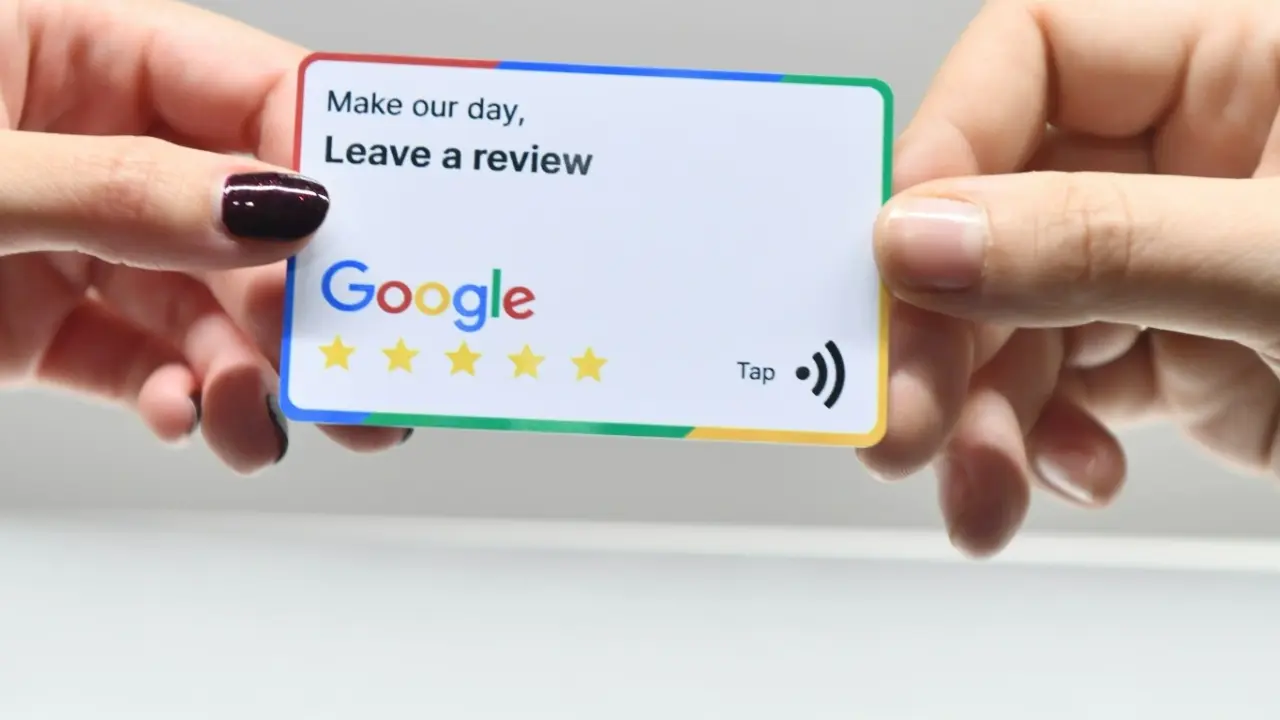
Reviews are no longer just text under a product. They include TikTok reactions, YouTube comparisons, Reddit threads, Google ratings, app store comments, and “honest review” posts that may or may not be fully honest.
The Fake Review Problem Changed the Stakes
As more people rely on reviews, it becomes more tempting to manipulate them. Fake praise can make a bad product look good. Fake complaints can hurt a competitor. AI-generated reviews make it easier to spread fake opinions.
The U.S. Federal Trade Commission announced a final rule banning fake reviews and testimonials, saying the rule would help “strengthen enforcement, seek civil penalties against violators, and deter AI-generated fake reviews”. The FTC’s business guidance says the rule addresses “deceptive and unfair conduct involving consumer reviews and testimonials” and that fake or deceptive reviews have “polluted the marketplace”.
This matters because online reviews rely on trust. People do not expect every review to be perfect, but they do expect it to come from someone with real experience. If that trust fades, the whole system becomes less helpful.
Good Reviews Are Specific, Not Just Positive
A useful review does not simply say “great product” or “bad service.” It gives details. It explains what happened, what kind of user the product fits, and whether the experience matched expectations.
The Frontiers marketplace study found that higher quality information in reviews significantly enhances trust across multiple dimensions. The same study concluded that marketplaces should ensure information from buyers through reviews is high-quality, reliable, and valuable.
That is why the best reviews usually include context. “Good for small apartments.” “Not ideal for heavy users.” “The room was clean, but the Wi-Fi was weak.” “The food was excellent, but delivery took 70 minutes.” These details help people decide based on their own needs, not just someone else’s rating.
The New Word of Mouth Is Bigger, Faster, and Messier
Online reviews are the new word of mouth because they solve a common problem: people want reassurance before spending money. They want to know if a place, product, app, or service is worth the risk. Instead of just trusting ads or personal recommendations, they look at what others have experienced.
But this new word of mouth is not perfect. It can be manipulated, exaggerated, emotional, biased, or outdated. It can also be very helpful. The key is to read reviews as signals, not as absolute truth.
A high rating can get your attention. A pattern of negative reviews can make you think twice. A detailed comment can explain what the stars do not show. Sometimes, one stranger’s very specific review can save you from a bad dinner, a noisy hotel room, or a gadget that looked better in the photos.
The modern review section is messy because people are messy. But that is also why we trust it. Behind the stars and comments is a simple hope: someone else already tried it and is sharing what happened.