A simple “okay” can feel calm, cold, annoyed, passive-aggressive, or completely harmless depending on who sends it, when they send it, and whether they add a smiley face at the end. That is the strange little problem texting created. Words became faster, but tone became harder to read.
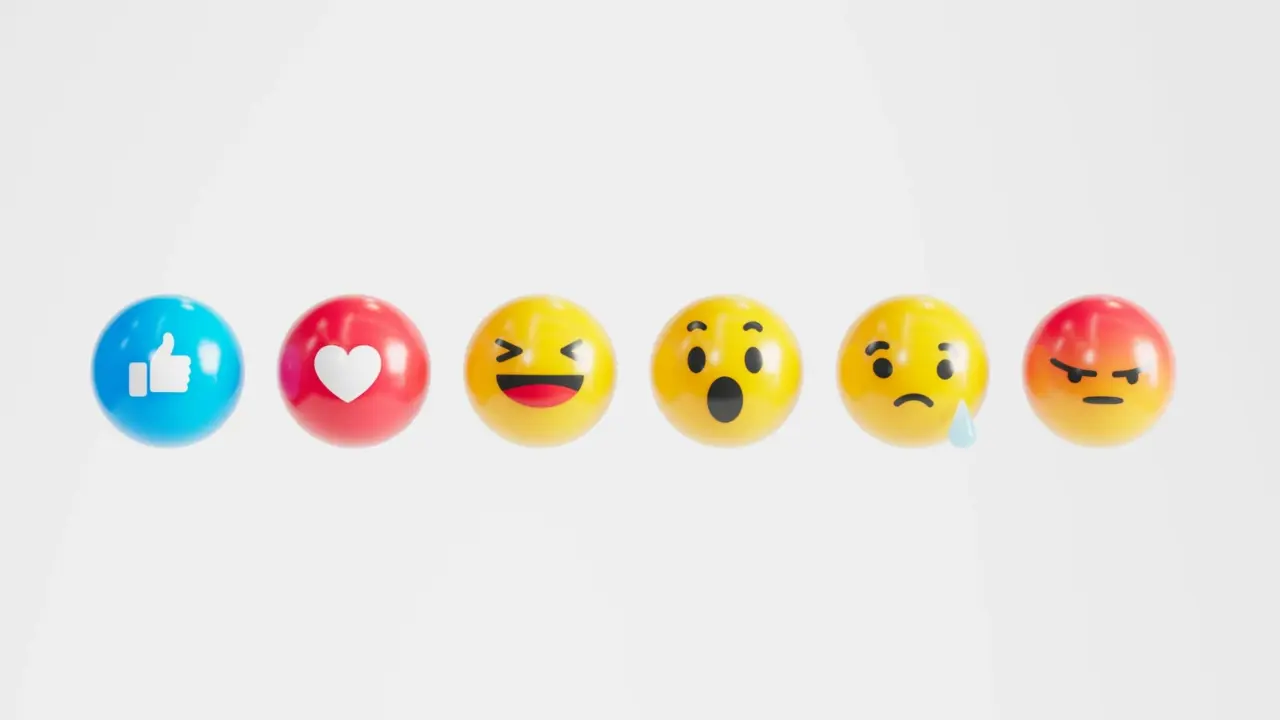
Emojis entered that gap. They are tiny, colorful, sometimes silly, and often overused, but they do something surprisingly important: they help people show how a message is supposed to feel. A laughing face can soften a joke. A heart can make a short reply feel warmer. A thumbs-up can end a conversation politely, although depending on the person, it can also start a new misunderstanding.
That is why emojis became more than decoration. They became the emotional punctuation of digital life.
Texting Removed the Face From Conversation
In face-to-face conversation, people do not rely only on words. They read facial expressions, tone of voice, timing, posture, pauses, and eye contact. Texting stripped most of that away. Suddenly, people had to understand warmth, sarcasm, annoyance, excitement, and affection through plain words on a screen.
A systematic review of emoji research explains that computer-mediated communication lacks non-verbal cues such as “facial expressions, intonation, and gestures,” which can affect how information is transmitted. The same review notes that people created new substitutes for those missing cues, including capitalization for shouting, multiple exclamation points for excitement, and expression symbols for facial expressions.
That is why emojis feel so natural in casual messages. They act like tiny stage directions. “Fine” is one thing. “Fine 🙂” is another. “Fine 🙃” is a completely different conversation.
Emojis Became Tone Markers
The most useful thing about emojis is that they help people frame how a message should be read. They can make a sentence warmer, funnier, softer, or less serious. A short reply that might look cold can suddenly feel friendly with one small icon.
The Frontiers in Psychology review found that emoji are used in communication to establish “emotional tone,” reduce “discourse ambiguity,” and support “conversation management”. The same review says emoji help users “convey emotions and meanings” and promote online social interaction.
This is why people often add emojis to messages that do not technically need them. “Thanks” already means gratitude, but “Thanks 😊” feels more sincere. “Sure” already means agreement, but “Sure 👍” feels more settled. Emojis do not always change the literal meaning. They change the emotional temperature.
A Small Emoji Can Change How People See the Sender
Emojis do not just change the message. They can change how people judge the person sending it.
A 2022 open-access study in Computers in Human Behavior Reports found that sentence valence and emoji type interact, influencing message emotionality, clarity, perceived sender warmth, and the sender’s emotional state. The same study found that congruent emoji typically amplified emotional perceptions of messages and senders.
That explains why a happy emoji after good news can make the sender seem more cheerful, while a sympathetic emoji after bad news can make the message feel more caring. The emoji works like a small emotional signal attached to the sentence.
But the same study also found that incongruent emoji detracted from message clarity compared with no emoji or congruent emoji. In everyday terms, the wrong emoji can make things worse. A laughing face after a serious complaint may seem dismissive. A skull emoji may mean “this is hilarious” to one group but look alarming to someone else.
Emojis Make Short Replies Feel Less Cold
One reason emojis are so popular is that modern texting is full of short replies. People answer between meetings, while commuting, while cooking, or while doing five other things. But short messages can feel emotionally flat.
A 2025 PLOS ONE study on emoji use in text messaging found that participants rated partners who used emojis as more responsive than partners who communicated through text alone. The study also found that perceived responsiveness through emoji use was positively associated with closeness and relationship satisfaction.
The study involved 260 participants who viewed 15 text-based conversations, and the results suggest that emojis can make a reply feel more emotionally present. That matters because texting often compresses human connection into tiny exchanges. A quick “okay ❤️” can carry more reassurance than a plain “okay,” even though the word itself has not changed.
This does not mean every message needs an emoji. It means that in the right context, emojis help people feel that the other person is not just answering, but paying attention.
Emojis Can Also Create New Misunderstandings
The funny thing about emojis is that they were meant to solve ambiguity, but they also create new kinds of ambiguity. Not everyone reads the same symbol the same way. A smiling face can be friendly, sarcastic, awkward, or even passive-aggressive depending on age, culture, platform, and relationship.
A study on emoji ambiguity found that people interpret emoji characters inconsistently, creating “significant potential for miscommunication”. The same study involved 2,482 participants and found that when emojis were interpreted in textual contexts, the potential for miscommunication appeared to be roughly the same.
That finding is important because it challenges the idea that surrounding text always fixes emoji confusion. Even with context, people can still disagree on what an emoji means. A face with tears of joy may be obvious. A slightly smiling face may not be. A folded-hands emoji may be prayer, thanks, apology, or request.
Platforms Can Change the Meaning Too
Another problem is that emojis do not always look identical across devices. The same Unicode character can appear differently on Apple, Google, Samsung, Microsoft, or social platforms. That design difference can subtly shift meaning.
The emoji ambiguity study explains that emoji fonts are largely platform-specific, so a given emoji character’s appearance may vary extensively across platforms.
This is one reason emoji misunderstandings can feel so random. The sender thinks they sent a warm smile. The receiver sees a face that looks awkward, smug, or oddly intense. The message was not wrong, but the design translation changed the tone.
Emojis Work Best When They Match the Relationship
Emoji use is not only about meaning. It is about social fit. People use emojis differently with friends, family, coworkers, partners, and strangers. A red heart may feel normal in one chat and too intimate in another. A laughing emoji may be perfect in a group chat but inappropriate in a serious work email.
The Frontiers review notes that emoji help users with “tone adjustment” and “conversation management,” while also helping maintain interpersonal relationships. That means emojis are partly emotional tools and partly social tools. They help people manage how close, casual, polite, or playful they want to sound.
This is why emoji habits can become shared language. Friend groups develop favorite emojis. Families have their own sticker-like patterns. Couples may attach private meanings to ordinary symbols. A single emoji can become an inside joke.
The New Grammar of Feeling Online
Emojis are not replacing words. They are helping words survive in a medium where tone is fragile. They work because texting is efficient but emotionally thin. Emojis add a layer of softness, humor, warmth, hesitation, or playfulness that plain text often struggles to carry.
They are imperfect, of course. They can confuse, annoy, overpromise, or make a message feel unserious. But that imperfection is part of why they feel human. Like tone of voice, they depend on context. Like facial expressions, they can be misread. Like inside jokes, they work best when people share the same meaning.
The real reason emojis became the tone we lost in texting is simple: people still want to sound like people, even through screens. A tiny face, heart, hand, sparkle, or laugh can make a message feel less like data and more like someone reaching across the digital space to say, “Here is how I mean this.”