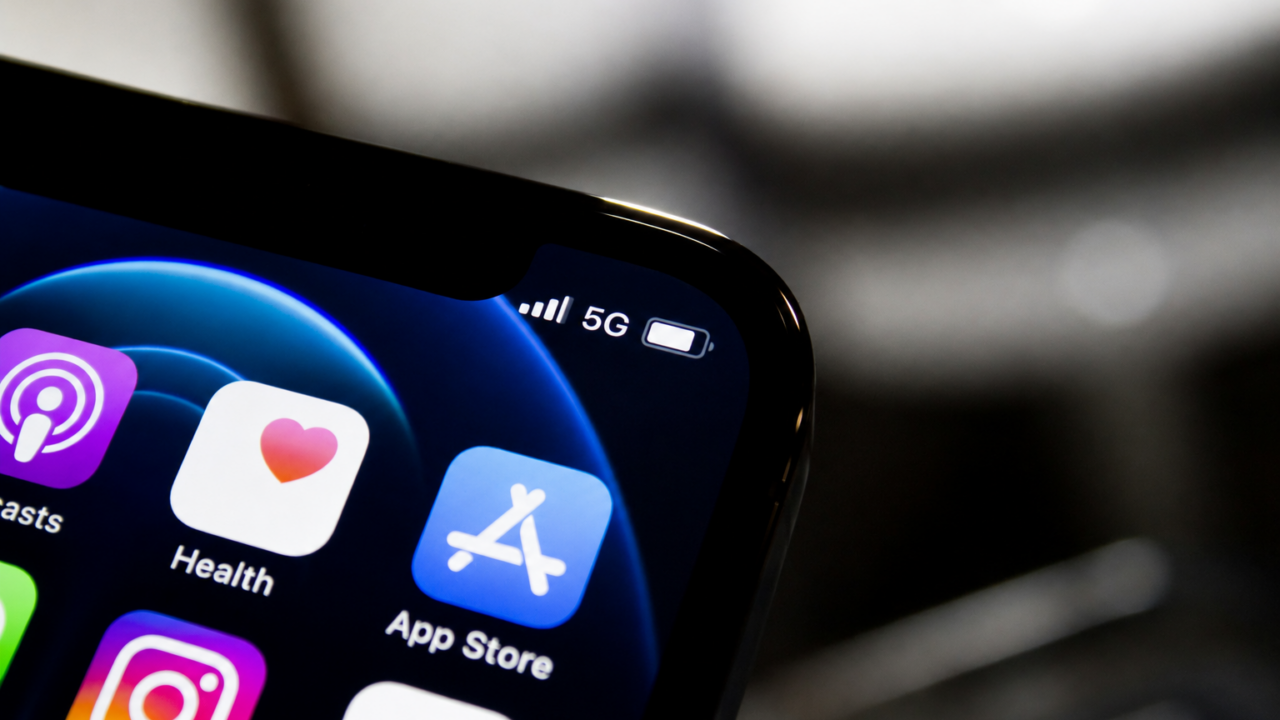
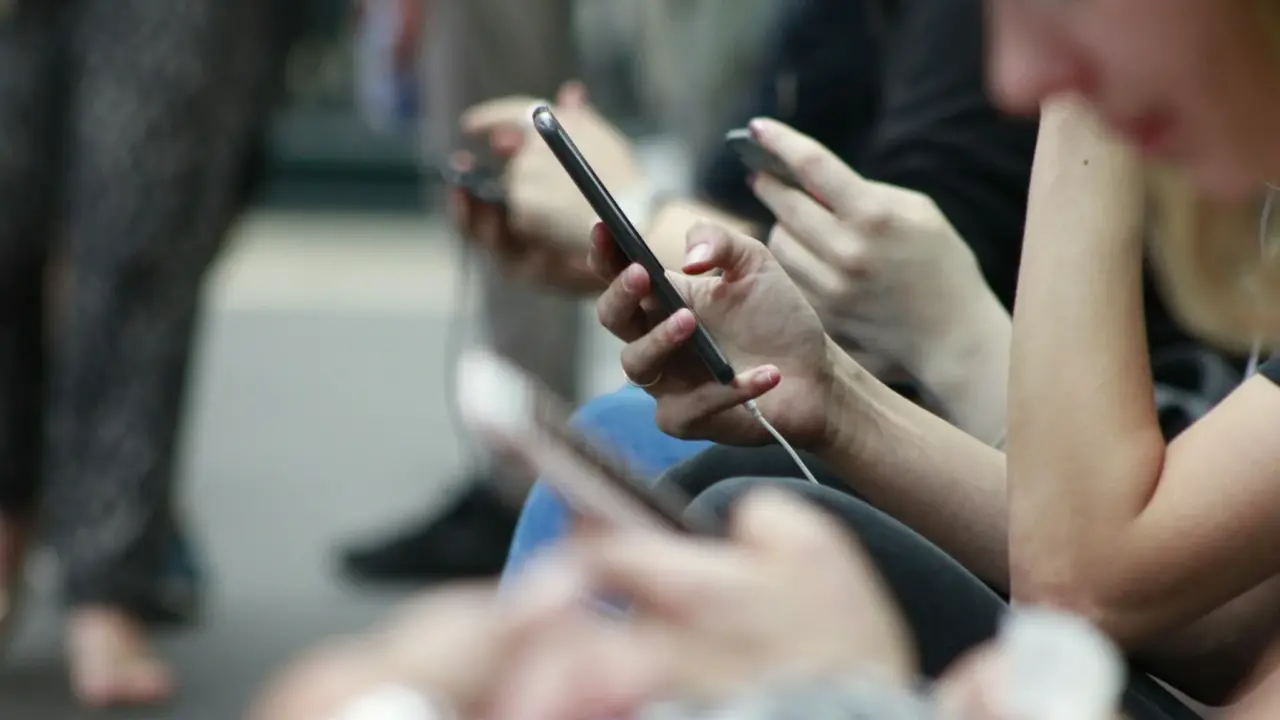
Most people don’t set out to let their phones remember things for them. It just happens over time. Maybe you start by putting your grocery list in Notes. Then you add birthdays to your Calendar. Directions go into Maps. You take a screenshot as proof of payment, save a post for a recipe, and set reminders so you don’t forget to pay bills. Eventually, your phone isn’t just a device anymore—it’s like a second brain.
It might sound dramatic, but it’s actually pretty normal. Today’s smartphones hold all the things we don’t bother to remember ourselves—passwords, appointments, restaurant names, Wi-Fi codes, flight details, recipes, meeting links, screenshots, alarms, delivery updates, and even half-finished ideas. The real question isn’t if this is good or bad. What’s more interesting is why it feels so natural.
The Brain Has Always Looked for Help
People have always used more than just their own memory. Calendars, notebooks, sticky notes, address books, shopping lists, and handwritten reminders were around long before smartphones. The difference now is that the phone puts all those tools together in one small device.
Researchers call this habit cognitive offloading. In a review called “Cognitive Offloading,” Evan F. Risko and Sam J. Gilbert described it as “how we use our body and objects in the external world to help us think”. That’s why checking your Notes app for a forgotten idea doesn’t feel like cheating. It’s a normal human strategy, just updated for the touchscreen age.
The phone makes cognitive offloading frictionless. A paper note can be lost, but a note app syncs. A wall calendar stays at home, but phone alerts follow you. A saved article can be searched. A screenshot can capture something before it disappears. The phone does not just store information; it makes stored information feel instantly retrievable.
Remembering Where, Not What
Phones also change what we try to remember. Instead of memorizing every detail, people often just remember where they saved it. “It’s in my email.” “I took a screenshot.” “It’s in the group chat.” “I saved it on Instagram.” This isn’t really laziness—it’s a modern form of transactive memory, where we share memory with other people or tools.
Betsy Sparrow, Jenny Liu, and Daniel Wegner’s well-known study on the “Google effect” found that when people expected future access to information, they had lower rates of recall of the information itself but better recall for where to access it. The same study described the Internet as a primary form of external or transactive memory, where information is stored collectively outside ourselves.
This idea fits phones now more than ever. People might not remember a restaurant’s address, but they know it’s pinned on Maps. They might forget meeting details, but they remember there’s a screenshot in their camera roll. Memory is less about holding all the details and more about knowing how to find them.
Reminders Became Our Everyday Safety Net
Calendar alerts and reminders are probably the best example of phones acting like a second brain. Lots of people don’t trust themselves to remember future tasks anymore. They set alarms for medicine, deadlines, laundry, bills, meetings, birthdays, and even reminders for when to leave the house.
Sam J. Gilbert’s study on reminder-setting asked how people decide whether to use external artifacts and reminders to remember delayed intentions, versus relying on unaided memory. The study found that using reminders improved performance and that reminder-setting was influenced by confidence and objective ability. In everyday terms, people use reminders because they know life is messy. Memory has to compete with work, fatigue, messages, errands, stress, and the sudden realization that the rice cooker is still on.
This is when the phone feels more like support than a distraction. Using reminders doesn’t make you less responsible. Sometimes, it’s the system that helps you stay responsible in the first place.
Screenshots Are the Messy Archive of Modern Life
Screenshots deserve their own category in the second-brain conversation. They are not exactly notes, photos, or bookmarks. They are quick captures of things people think they may need later: payment confirmations, recipes, conversations, product prices, addresses, flight details, maps, memes, outfit ideas, receipts, instructions, and posts that might disappear.
A human-computer interaction paper on screenshot-based bookmarks noted that modern knowledge workers often use multiple resources such as documents, web pages, and applications at the same time. The same paper said conventional bookmarks and file systems can be limited because they often work for one type within one application, while screenshot-based bookmarks helped participants use visual and textual data to recall past computer activities and reconstruct working contexts.
That’s why screenshots are so appealing. You don’t have to organize anything first—a screenshot just freezes the moment. It’s like saying, save it now and figure it out later. Of course, “later” often never comes, which is why so many camera rolls turn into museums of forgotten plans. Still, the habit makes sense. A screenshot is the quickest way to tell your future self, “This might matter.”
The Phone Helps, but It Also Pulls Attention
There’s a tradeoff to using your phone as a second brain. The same device that stores your memories also fights for your attention. A reminder might help you remember a task, but the notification next to it can distract you with ten other things. Your phone can hold your thoughts and interrupt them at the same time.
A PLOS ONE study on mobile phones and memory found that undergraduates without smartphones had higher recall accuracy compared with those who had smartphones present. The study also reported that phone conscious thought significantly predicted memory accuracy, suggesting that simply thinking about the phone can affect learning and recall.
A review on smartphones and cognition similarly noted that the mere presence of a phone is sufficiently distracting to affect cognitive functioning, especially during demanding tasks. That is the contradiction of the second brain: it is helpful because it is always nearby, but it is distracting for the same reason.
Digital Memory Is Not Automatically Bad
It’s easy to say that phones just make people forgetful, but the research is more complicated. Digital tools can sometimes hurt our attention, but they can also help us stay independent, organized, connected, and able to handle daily life.
A 2025 Nature Human Behaviour meta-analysis found that digital technology use was associated with reduced risk of cognitive impairment and reduced time-dependent rates of cognitive decline. The study analyzed 57 studies involving 411,430 adults, with a baseline mean age of 68.7 years. This does not mean endless scrolling is healthy. It suggests that active, useful technology use may support cognition by helping people stay organized, connected, and mentally engaged.
That difference is important. Using your phone as a tool is not the same as using it just to escape. Taking notes, setting reminders, learning new routes, messaging family, managing medication, and organizing photos all help with daily life. But spending hours scrolling through feeds is a different story.
The Real Skill Is Knowing What to Keep in Your Head
Phones became our second brain because modern life is just too full for memory alone. There are too many passwords, schedules, updates, codes, tabs, links, photos, commitments, and small responsibilities. Offloading some of that isn’t a failure—it’s just adapting.
But even with a second brain, you still need your own mind to manage it. Your phone can store information, but it can’t decide what’s important. It can remind you about a meeting, but not whether it’s worth your time. It can save a screenshot, but not make sure you’ll understand it later. It can keep a list, but not set your priorities.
The healthiest way to use your phone might be simple: let it remember the small stuff so your mind can focus on what matters. Use reminders to help, not to interrupt you all the time. Take screenshots as a temporary memory, not as clutter. Save posts for inspiration, not as a pile of things to feel guilty about later.
Phones became our second brain because they’re convenient, searchable, portable, and always on. The real challenge now is to make sure your phone stays an assistant, not just a place where every unfinished thought gets lost.