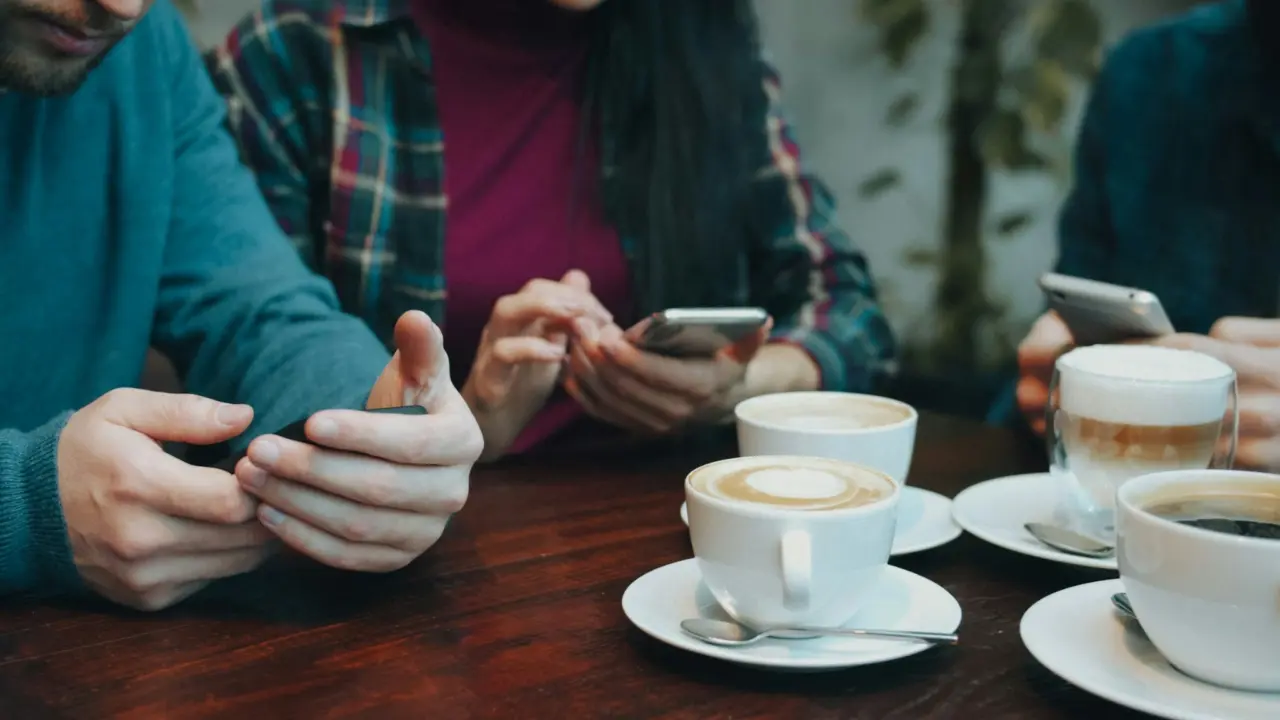
Phone notifications feel small. A ping from a messaging app. A badge on Instagram. A red number on Gmail. A “limited-time” shopping alert. A streak reminder. A calendar nudge. A breaking-news banner. Most of them look harmless because each one only asks for a second.
But that is exactly why notifications work.
They are not random signals. They are software-designed interruptions built to pull users back into apps, restart habits, create urgency, and keep attention moving through digital platforms. The problem is not only that notifications are annoying. The deeper issue is that they turn attention into something apps can repeatedly claim throughout the day.
Notifications Are Built Into the Attention Economy
The modern app does not wait for users to remember it. It reaches out.
A 2022 arXiv paper on mobile notifications said mobile notifications have become “a major communication channel” for social networking services to keep users “informed and engaged.”
The same arXiv paper said apps constantly face decisions about “what to send, when and how,” which shows that notification timing is often a product decision, not just a neutral alert.
That is the software design logic behind many notifications. A food app reminds you around lunch. A shopping app alerts you during a sale. A social app tells you someone reacted. A game tells you your reward is ready. A streaming app says a new episode just dropped. These alerts are framed as helpful, but they also bring users back into the product.
The same arXiv notification model study even described notification delivery optimization as a way to “drive more user engagement,” which makes the business purpose clear.
The Center for Humane Technology puts it more bluntly. Its tech-use guidance says “notifications, alerts, and badges are designed to draw your attention back to your phone.”
A Ping Can Disrupt Attention Even Without Opening the Phone
One common myth is that a notification only becomes a problem if you tap it. Research suggests otherwise.
A 2015 study published in the Journal of Experimental Psychology: Human Perception and Performance found that “cellular phone notifications alone significantly disrupted performance” on an attention-demanding task, even when participants did not directly interact with the device.
The same study said the distraction effects were comparable to those seen when users actively used a phone for voice calls or text messaging.
That finding is important because it explains why simply ignoring a notification is not always enough. The interruption already happened. Your brain noticed the sound, vibration, banner, badge, or lock-screen preview. Even if you do not respond, part of your attention has shifted toward the possibility of something waiting.
This is why a phone face down on a desk can still feel present. A notification does not need a reply to break concentration. It only needs to create uncertainty.
The Cost Is Not Just Time, but Mental Effort
Interruptions do not only steal minutes. They change how people work.
A University of California, Irvine study titled “The Cost of Interrupted Work” found that people completed interrupted tasks in less time with no difference in quality, but the researchers said this came at the cost of “more stress, higher frustration, time pressure and effort.”
That detail matters because many people think they are good at handling notifications. They reply quickly, switch back fast, and finish the task anyway. But productivity is not only about whether the work gets done. It is also about what it costs the brain to keep switching.
A notification forces a micro-decision: ignore, open, reply, save for later, clear, mute, or worry. Do that dozens of times a day and the phone becomes less like a tool and more like a task manager that someone else controls.
The effect is especially visible at work or school. A person writing a report, coding, studying, or reading may lose the thread not because the notification was important, but because it arrived at the wrong moment.
Notifications Exploit Social Pressure
Not all notification pressure comes from apps alone. Some of it comes from social expectations.
A 2023 open-access study in the Journal of Occupational Health said task interruptions are common because digital devices provide “always-on connectivity.”
The same Journal of Occupational Health study said people receive about 65.3 notifications per day, describing visual, auditory, and haptic signals as a prominent source of interruptions.
The study also connected notifications with fear of missing out and telepressure. In daily life, this means people may not only check notifications because apps want them to. They check because they do not want to seem rude, late, unreachable, or disconnected.
That is why messaging notifications are powerful. A badge on a chat app is not just software feedback. It can feel like a social obligation. The unread message becomes a small emotional weight: someone is waiting.
This is also why turning notifications off can feel uncomfortable at first. For some users, silence does not feel peaceful. It feels like missing something.
Badges and Streaks Turn Attention Into a Habit
Badges, streaks, reminders, and “you missed this” alerts are not just visual decorations. They are habit-forming cues.
A red notification badge works because it creates an unresolved state. Something is unfinished. Something needs checking. The user does not always know whether the alert is urgent, useful, boring, or irrelevant until they open the app.
That uncertainty is part of the pull.
Social apps use reactions and mentions. Games use rewards and streaks. Shopping apps use discounts and timers. Productivity apps use reminders and overdue labels. News apps use urgency. Each design gives the brain a reason to return.
The Center for Humane Technology’s notification guidance recommends turning off notifications and badges to “reclaim your time” by reducing their effect.
That recommendation is simple but revealing. If badges and alerts did not influence behavior, turning them off would not matter.
Suppressing Notifications Can Improve Focus
The strongest argument for controlling notifications is that focus improves when interruptions are reduced.
The 2023 Journal of Occupational Health study found that reducing notification-caused interruptions was beneficial for performance and reducing strain.
A newer 2026 arXiv study on student programming behavior found that assignments completed with notification suppression had “significantly lower break rates” and “longer intervals of focus” compared with normal conditions for many students.
The same 2026 arXiv study said tools such as Do Not Disturb can improve attention and focus for many students, although the effects varied across individuals.
That last point is important. The goal is not to say all notifications are bad. Some are useful. Emergency alerts, banking warnings, delivery updates, calendar reminders, and direct messages from important people can matter. The issue is that most people treat every notification channel as equally deserving of instant access to attention.
They are not.
The Healthier Approach Is Notification Design by Intention
Users do not need to delete every app or live in permanent Do Not Disturb mode. The better approach is to make notifications intentional.
Start by separating urgent from non-urgent. Calls from family, banking alerts, work-critical messages, and calendar reminders may deserve immediate delivery. Social likes, promotional sales, content recommendations, and game rewards usually do not.
Then remove badges from apps that use red numbers to create pressure. Badges are especially effective at making people reopen apps for low-value reasons.
Next, batch notifications where possible. Instead of letting apps interrupt throughout the day, allow them to deliver summaries at set times. This turns notifications from interruptions into scheduled information.
Finally, use Focus modes during work, study, sleep, meals, and personal time. The point is not to reject technology. It is to stop every app from deciding when your attention should shift.
Your Attention Needs a Gatekeeper
Notifications are useful when they serve the user. They become harmful when they serve the app more than the person.
The modern smartphone is filled with software that competes for attention through sounds, banners, badges, vibrations, lock-screen previews, streaks, reminders, and personalized triggers. Each alert may seem small, but together they shape how often people check their phones, how long they stay inside apps, and how fragmented their focus becomes.
The real lesson is simple: notifications are not neutral. They are designed.
That means users need to design back. Turning off unnecessary alerts is not being antisocial or unproductive. It is reclaiming the right to decide what deserves attention and what can wait.